Technical Polo Shirt RFQ Checklist: Fabric, Fit, MOQ and Embroidery
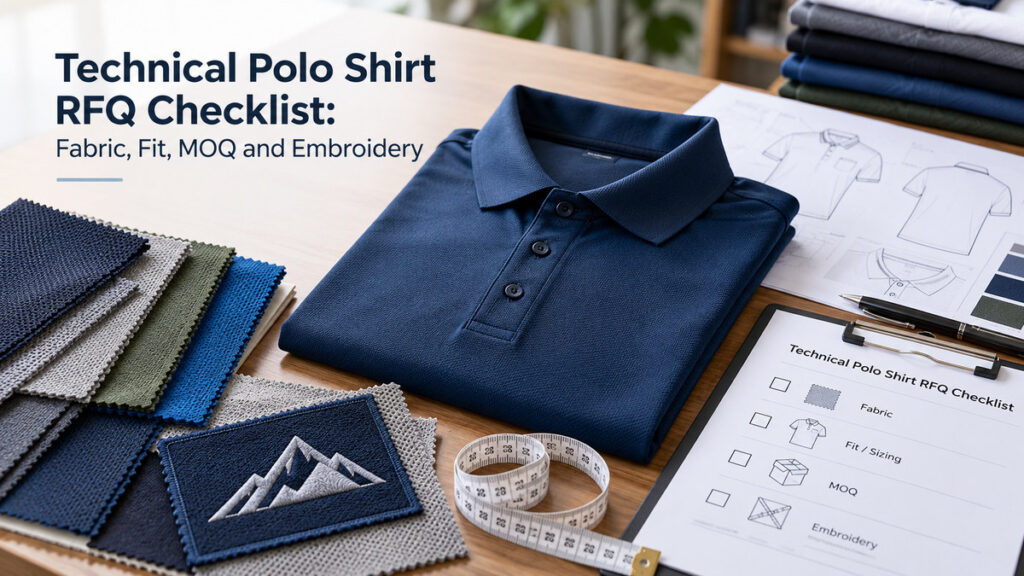
A practical technical polo procurement checklist based on anonymized buyer requirements: fabric performance, separate fits, embroidery, MOQ and sample approvals.
Custom Embroidered Polo Shirts: What Buyers Should Know Before Production
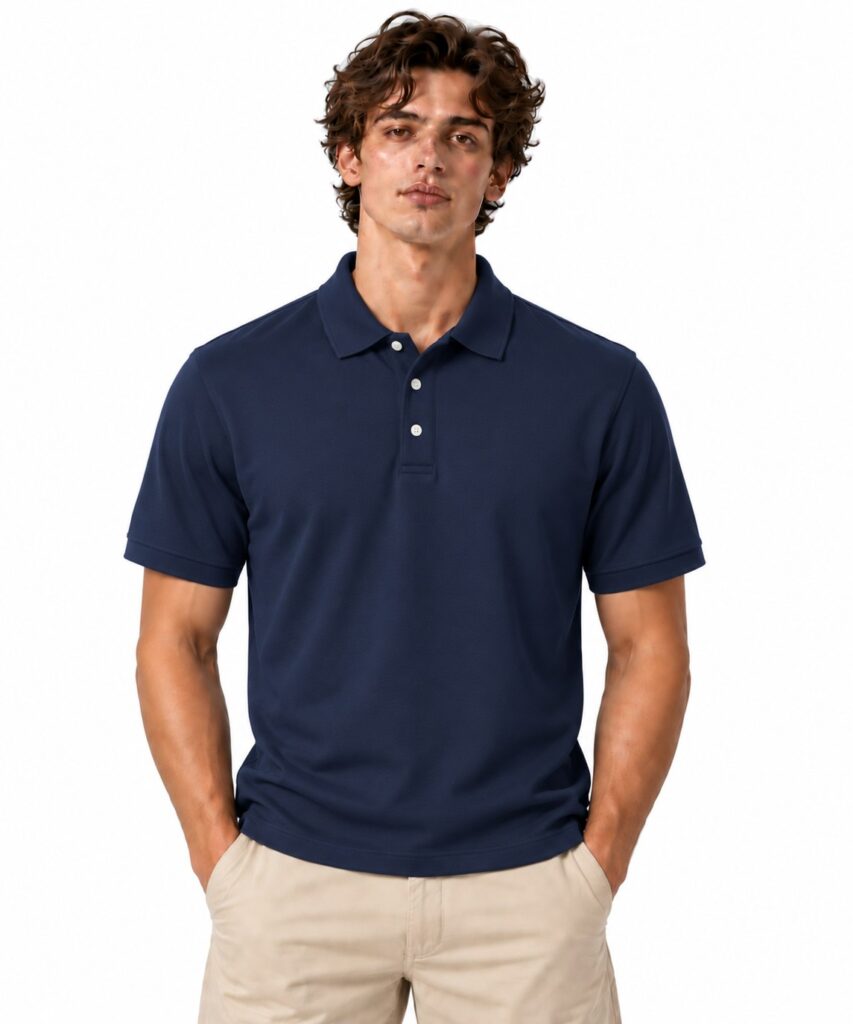
Custom embroidered polo shirts are ordered for corporate uniforms, hospitality and workwear programs, club and school apparel, retail collections and private-label ranges. Most buyers request a quotation before deciding how the order itself should be structured — and that is where cost, timing and consistency problems begin. A two-tone contrast-collar corporate polo adds another detail […]
DTF vs Screen Printing: Cost, Durability & When to Use Each
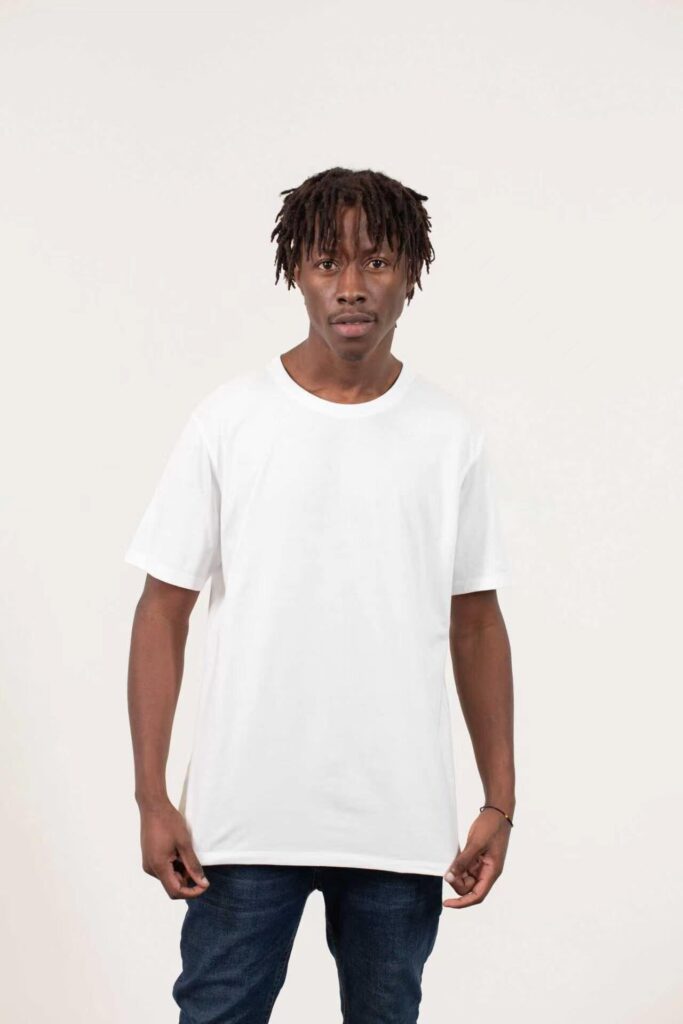
When developing custom T-shirts, choosing the right printing method affects not only the appearance of your products but also your production cost, order quantity and customer experience. Two of the most common apparel printing methods are DTF (Direct-to-Film) printing and screen printing. If you are still mapping the wider range of options, our guide to […]
Types of Shirt Printing: Screen, DTG, DTF & More Explained
Choosing between the different types of shirt printing is a production decision, not just an artwork decision. Order quantity, fabric composition, design detail, color count and placement can all change which method makes sense for a clothing brand. A process that works for a one-off sample may not be the most practical choice for a […]
Polo Shirt Embroidery: Embroidered vs Printed Logos for Brands
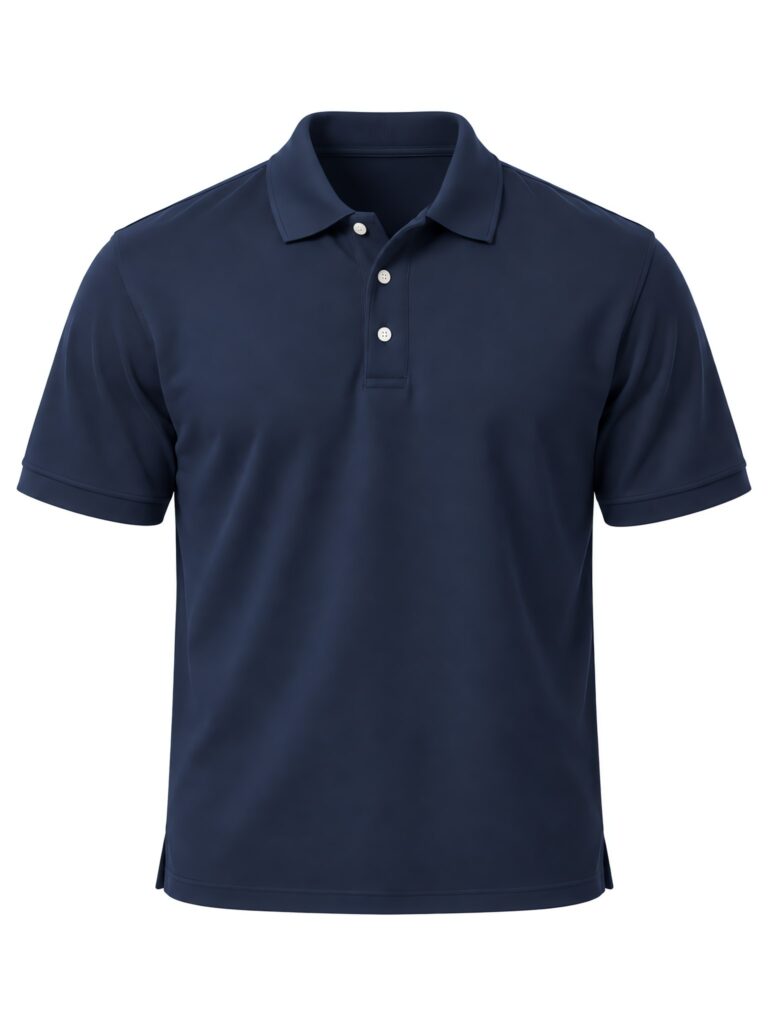
Polo shirt embroidery is usually settled by four decisions: which decoration method to use, which fabric the logo will sit on, where on the garment it goes, and how the order will be sampled and scaled. Get those four right and production becomes predictable. Get them wrong and the same logo can look crisp on […]
DTG vs DTF Printing: Which Is Better for Custom T-Shirts?
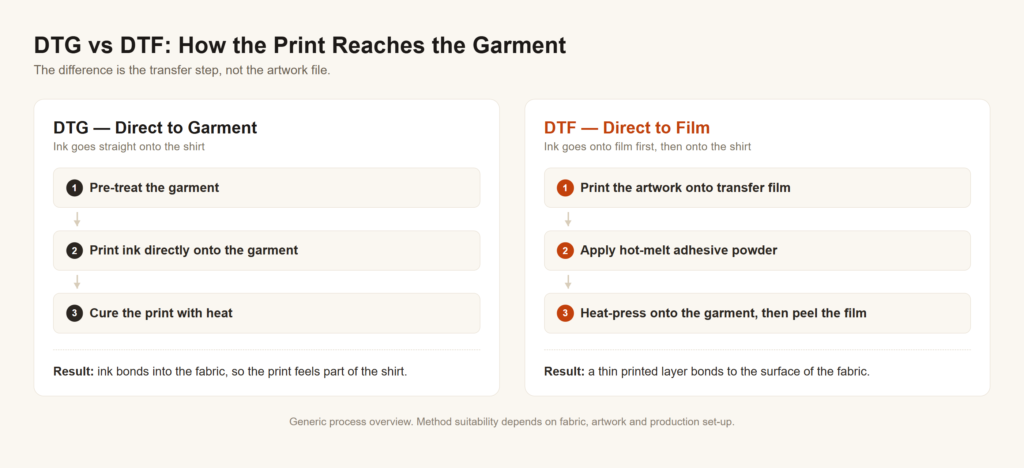
DTG vs DTF is really a question about how the ink reaches the garment. DTG prints ink directly onto the garment, while DTF prints the design onto a transfer film before applying it to the garment. That single difference explains most of the practical trade-offs that follow: fabric compatibility, hand feel, how colour behaves on […]