Understanding clothing manufacturer production capacity is essential for fashion brands, wholesalers and retailers when selecting an OEM apparel partner.
A factory with insufficient capacity may struggle to complete orders on schedule, while a supplier that is too large may not provide enough attention to smaller projects.
The right manufacturing partner should match your product category, order volume, customization requirements and growth plans.
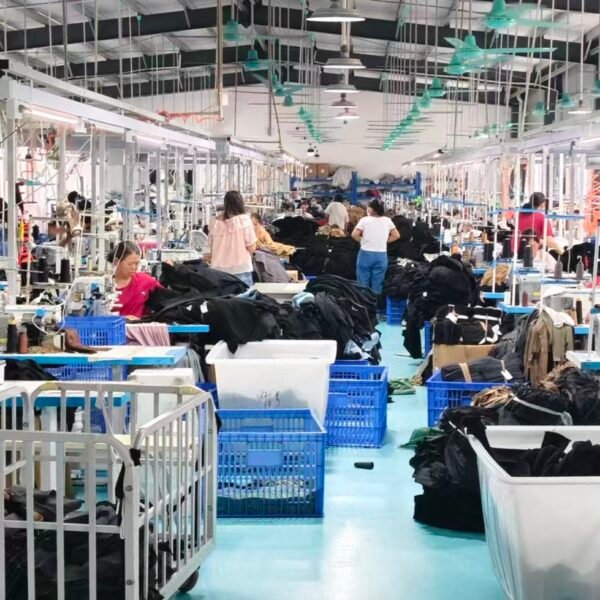
Production capacity refers to the amount of clothing a manufacturer can produce within a specific period while maintaining consistent quality standards.
For apparel buyers, capacity is not simply a monthly production number. It also includes production lines, workforce experience, equipment capability, production scheduling and quality management systems.
A reliable clothing manufacturer should be able to explain how production resources are allocated from material preparation to final shipment.
A larger factory does not always mean it is the best choice for every buyer.
Large-scale manufacturers usually have stronger production capacity, more equipment and standardized management systems. They are suitable for larger orders that require stable output and strict delivery schedules.
However, smaller or medium-sized manufacturers may provide more flexible communication and better support for developing new products or smaller collections.
The most important factor is whether the supplier’s capabilities match your project requirements.
| Order Volume | Recommended Manufacturer Type |
|---|---|
| 100–500 pieces | Development-focused supplier with flexible production |
| 500–5,000 pieces | Experienced OEM clothing manufacturer |
| 5,000–50,000 pieces | Factory with multiple production lines |
| 50,000+ pieces | Large-scale production partner |
The ideal factory size depends on your order volume, product complexity, customization requirements and future growth plans.
For example, a startup fashion brand may prioritize sampling support and flexibility, while an established retailer may require higher monthly output and stronger supply chain management.
When selecting a manufacturing partner, buyers should also evaluate experience, quality control and production reliability, not only factory capacity.
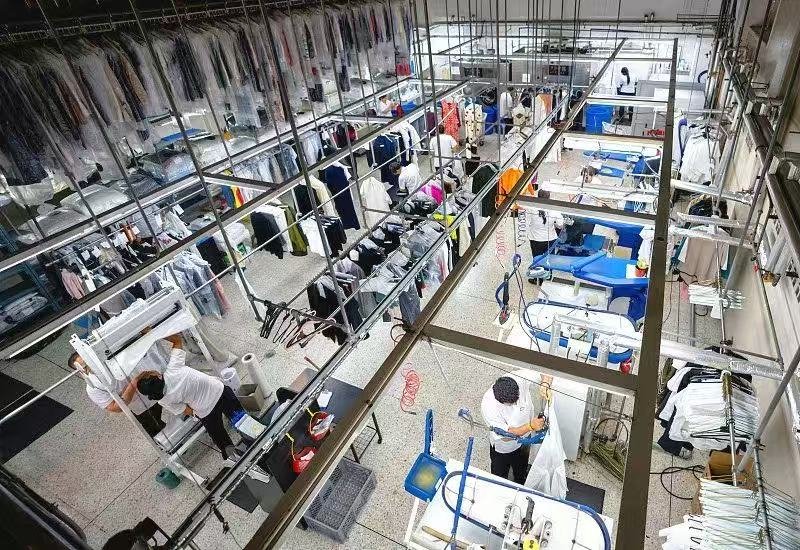
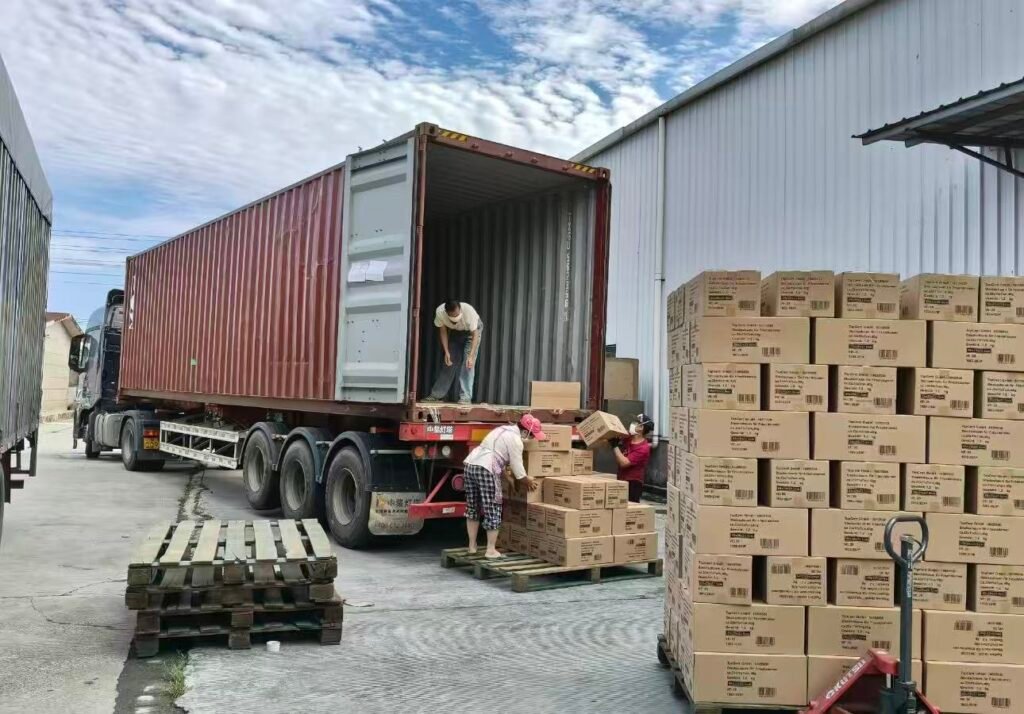
Buyers should not evaluate capacity only by the numbers shown on a website.
Before placing an order, confirm:
– Number of production lines
– Experience with similar products
– Current production schedule
– Sample approval process
– Quality control procedures
– Delivery planning
A professional manufacturer should provide a clear production timeline covering material preparation, cutting, sewing, finishing, inspection and shipment.
Production capacity and MOQ are related but not the same.
A factory may have the ability to produce hundreds of thousands of pieces per month, but the minimum order quantity depends on materials, colors, customization requirements and production efficiency.
MOQ can be affected by:
– Fabric minimums
– Dyeing requirements
– Custom trims
– Labels and packaging
– Special manufacturing processes
Understanding this difference helps buyers choose realistic suppliers and avoid unrealistic expectations.
FAQs
Production capacity is the amount a factory can produce within a period while maintaining its production and quality systems. It depends on more than a headline monthly output number.
There is no fixed line count for every order. The requirement depends on order volume, garment complexity, target lead time, line efficiency and how the factory allocates work across its schedule.
Smaller orders often need flexibility and development support, while larger programs require stronger line allocation, scheduling and supply-chain coordination. The best match is the factory whose resources fit the order and growth plan.
No. Capacity describes how much a manufacturer can produce over time. MOQ describes the smallest practical order for a defined product setup and may be affected by fabric, color, trims, customization and supplier minimums. For development responsibilities, see our OEM vs ODM clothing manufacturing guide.
Review the number and type of production lines, current scheduling, equipment, experience with similar products and the proposed production timeline. Factory visits, live video walkthroughs and production records can provide additional verification.
Post Tags :
Share :