Choosing a reliable clothing manufacturer in China is one of the most important decisions for fashion brands, wholesalers and retailers. The right manufacturing partner can help ensure consistent quality, efficient sampling, stable production capacity and smooth international delivery.
With more than 20 years of apparel manufacturing experience, NOVITA provides OEM and ODM clothing manufacturing solutions for global brands, including fabric sourcing, sample development, bulk production, quality control and export support.
This guide explains the key factors buyers should evaluate when selecting a reliable clothing manufacturer in China.
Key Takeaways
• Verify the manufacturer’s experience with your product category and target market.
• Review production capability, MOQ requirements and customization options.
• Confirm fabric quality, sampling process and product development support.
• Check quality control procedures including inline inspection and final inspection.
• Evaluate communication, export experience and international shipping support.
A clothing manufacturer can only provide an accurate quotation when your inquiry includes clear product information.
Before contacting a supplier, prepare:
If you have a complete tech pack, include measurements, construction details, artwork files, labels and packaging requirements.
If you do not have a tech pack, clear reference images and product requirements allow an experienced OEM and ODM manufacturer to create a development plan.
Using the same product brief when comparing suppliers is also important. Different fabric, trims, washing processes and packaging requirements can significantly affect quotations.
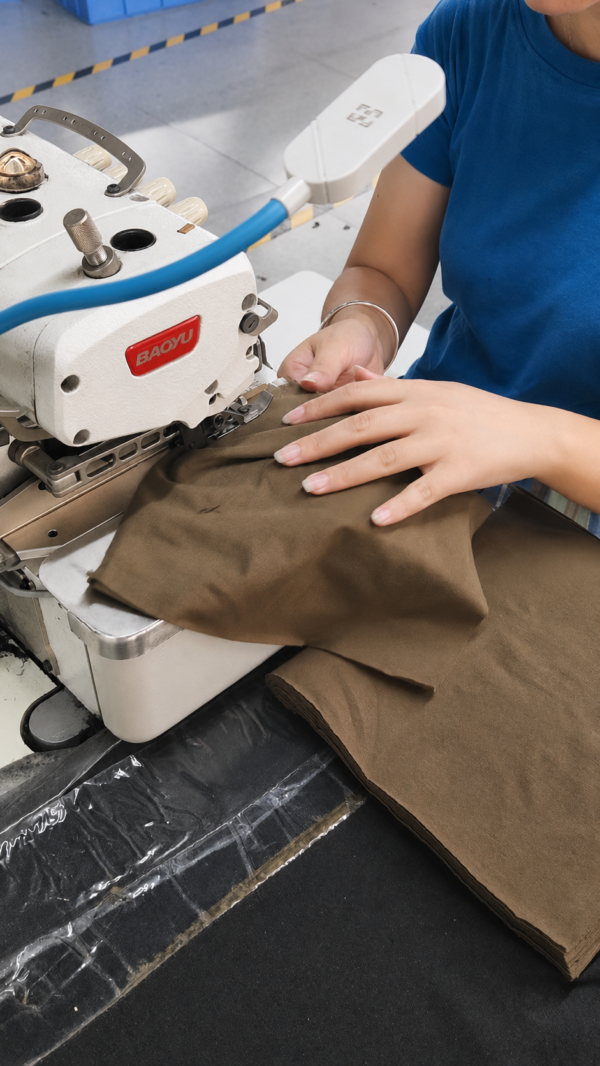
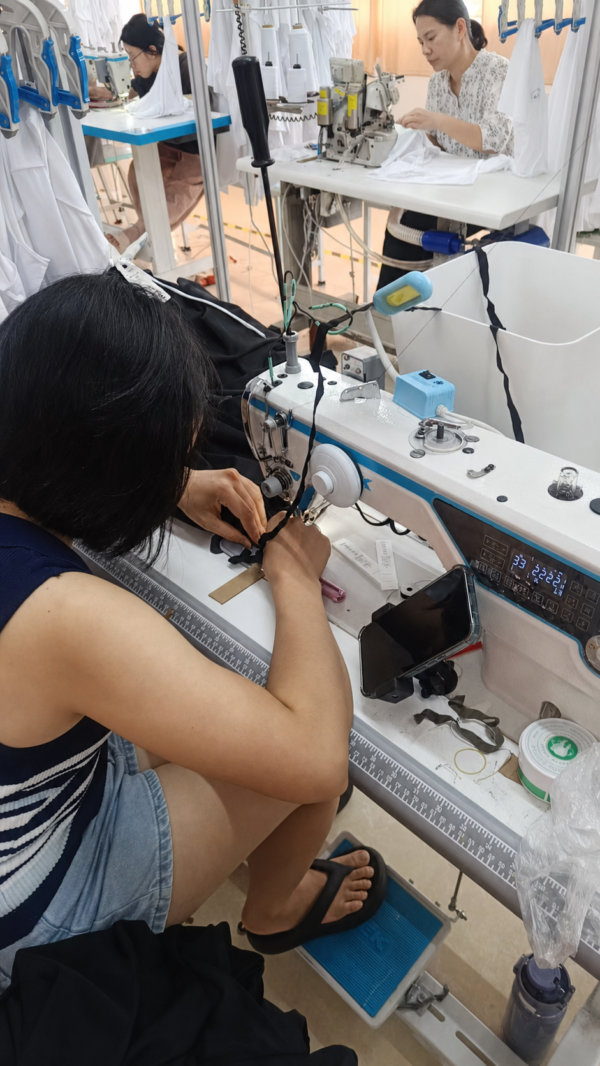
A reliable manufacturer should have experience with products similar to yours.
Different garment categories require different production knowledge. For example, a factory experienced in woven shirts may not have the same expertise in knitted polos, jersey garments or lightweight outerwear.
When evaluating a supplier, review:
NOVITA focuses on men’s casualwear manufacturing, including:
Our focused product range allows us to provide consistent fabric sourcing, product development and production support.
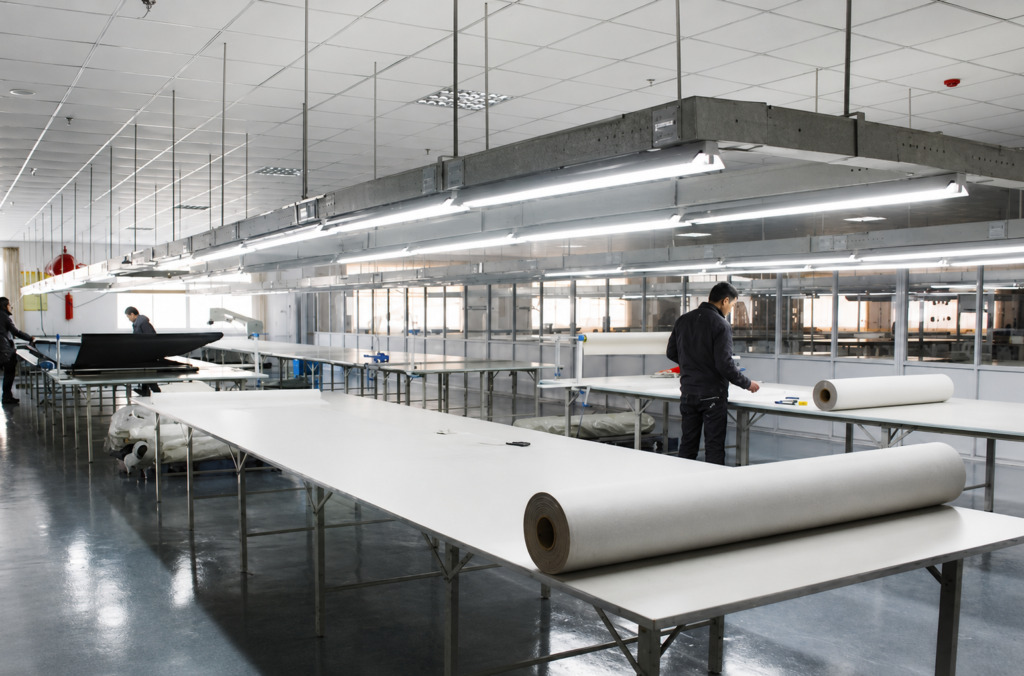
Production capacity should match your order requirements and delivery expectations.
Do not only check a monthly production number. Buyers should understand:
A professional manufacturer should provide a clear production timeline covering:
NOVITA operates 12 production lines with monthly capacity exceeding 100,000 pieces.
Bulk production usually takes around 25–45 days after sample approval, material confirmation and order details are finalized.
For buyers comparing apparel suppliers, understanding production capacity is essential before choosing the right manufacturing partner. Learn more about how to evaluate clothing manufacturer production capacity.
Sample development is one of the most important steps before bulk production.
A physical sample allows buyers to confirm:
The sampling process may include:
NOVITA’s sample development usually takes 7–14 days after fabric, measurements and design details are confirmed.
A properly approved sample becomes the production reference for bulk manufacturing.
A reliable apparel manufacturer should have quality control throughout the production process.
Important checkpoints include:
Fabric and trim inspection
Pre-production sample approval
Inline production inspection
During-production inspection (DUPRO)
Final inspection before shipment
Corrective action when issues are identified
NOVITA provides quality control support including inline inspection, DUPRO inspection and final inspection according to customer requirements.
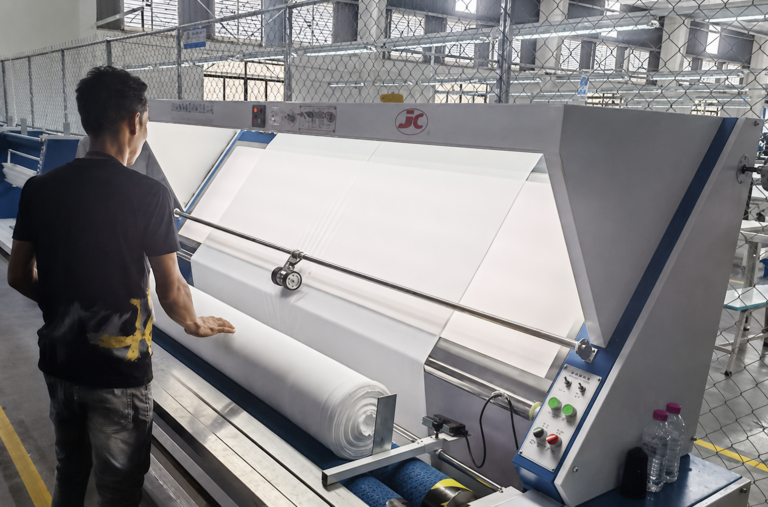
The lowest quotation is not always the best manufacturing choice.
A complete quotation should consider:
MOQ depends on:
NOVITA supports flexible OEM production solutions. MOQ depends on the specific product, fabric and customization requirements.
Reliable manufacturers turn discussions into organized production information.
Positive signals include:
Good communication reduces mistakes during sampling and bulk production.
A supplier that promises everything without checking materials, production capability or MOQ requirements may create risks later.
Common warning signs include:
A professional clothing manufacturer should provide transparent communication, clear processes and reliable production support.
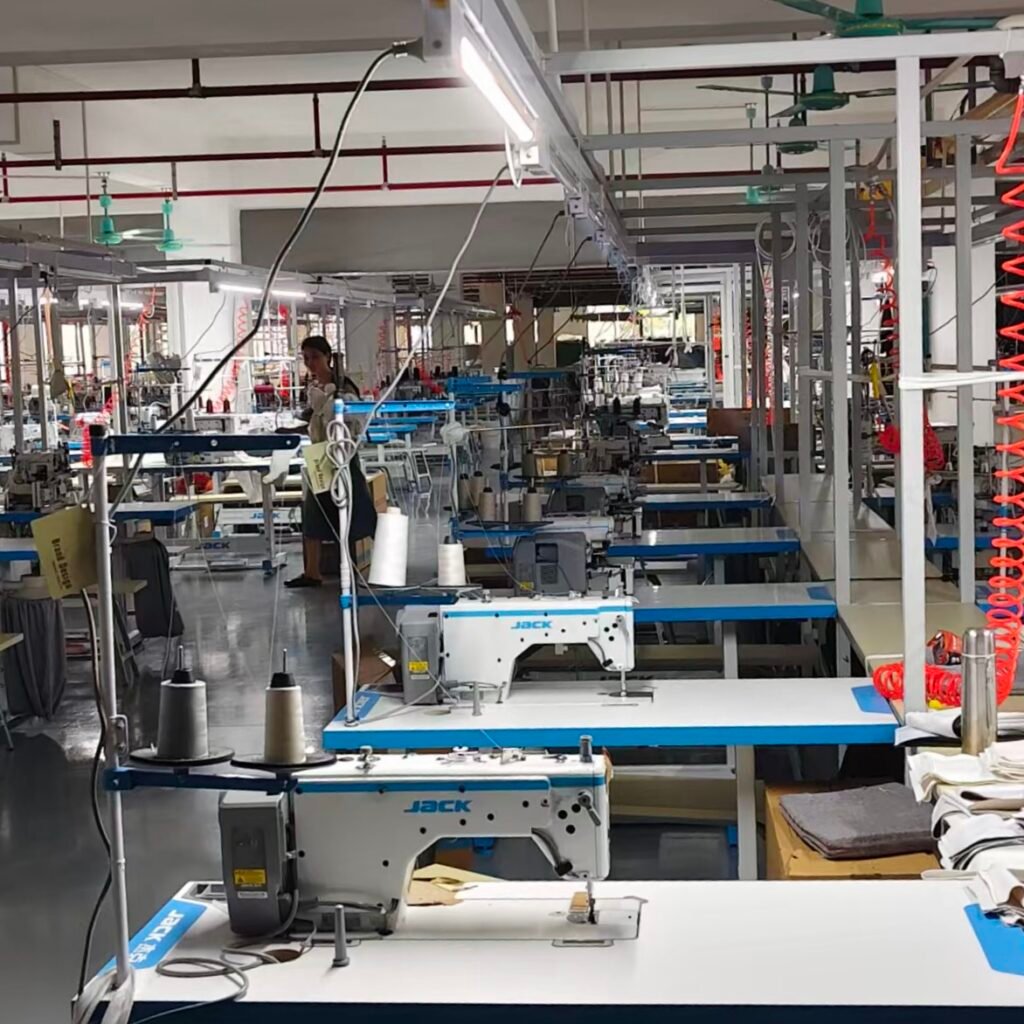
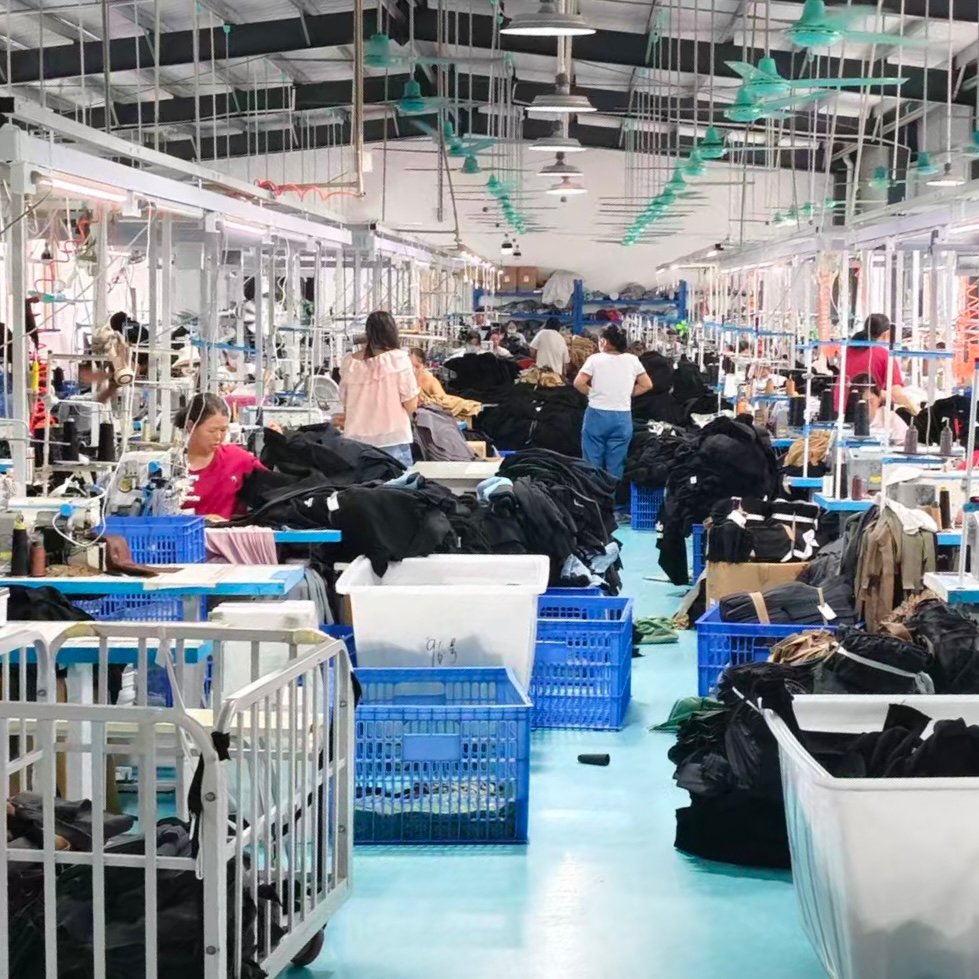
Choosing a reliable clothing manufacturer in China requires more than comparing prices.
The right partner should provide:
NOVITA supports global fashion brands with OEM and ODM apparel manufacturing solutions, from fabric sourcing and product development to bulk production, inspection and shipment.
FAQs
Check experience with your product category, sample quality, production resources, quality-control procedures, communication, documentation and the ability to explain a realistic production plan.
OEM usually means the buyer provides the design or technical specifications and the manufacturer produces to those requirements. ODM may include more product-development support, such as adapting an existing concept, materials or construction before production.
A physical sample lets the buyer confirm fit, measurements, fabric, color, construction, trims and branding. Once approved, it becomes an important reference for bulk-production quality.
Ask which checkpoints are used for materials, in-line production and final inspection, how defects are recorded, and how corrective actions are handled before shipment.
Send the product category, tech pack or reference images, fabric requirements, size range, colors, estimated quantity, branding and packaging details, delivery destination and target timing.
Post Tags :
Share :