The right clothing manufacturer is the one that can make your product consistently under a production setup that fits your quantity, materials, quality requirements, and delivery plan. A low quote or a polished product catalog tells you very little on its own.
When comparing China clothing manufacturers, start with product-category experience and the information each supplier requests from you. Then examine sampling, material approval, minimum order quantity, quality control, communication, and export arrangements. This process gives you a better basis for comparison than asking several factories for a price from the same reference photo.
This guide is written for fashion brands, private-label businesses, wholesalers, and sourcing teams preparing an OEM or ODM apparel project in China.
Why brands work with clothing manufacturers in China
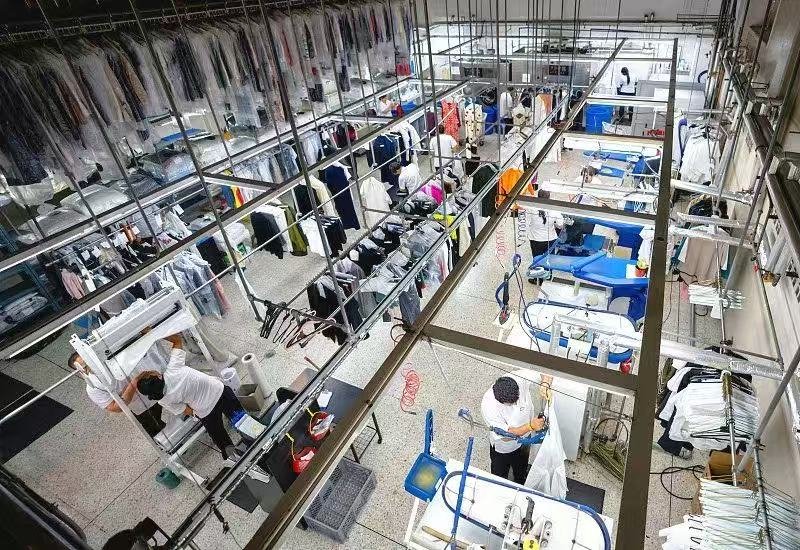
China has a broad apparel supply chain that covers fabric sourcing, trims, pattern development, sampling, garment production, printing, embroidery, washing, packaging, inspection, and export coordination. The practical benefit for a buyer is access to several parts of the development process within the same manufacturing region or supplier network.
That range does not mean every factory is suitable for every garment. A supplier focused on basic jersey T-shirts may have little experience with knitted collars, washed denim, structured jackets, or complicated trim packages. Before discussing price, check whether the manufacturer regularly works with your product category, fabric type, construction, and expected order size.
Location can also affect the available supply chain. NOVITA owns and operates its garment factory in Foshan, Guangdong, with access to fabric markets, supporting suppliers, and export services. Its current focus includes men’s polo shirts, knitted tops, T-shirts, jersey garments, shirts, overshirts, lightweight jackets, and seasonal casualwear. Buyers looking for a production partner can review NOVITA’s clothing manufacturing services in China.
Start with your product, not a list of factories
A search for a clothing factory in China can produce hundreds of possible suppliers. You can reduce that list quickly by defining the project before contacting anyone.
Prepare the following information:
- Product category and intended customer
- Tech pack, sketch, reference garment, or clear front and back images
- Measurement chart, size range, fit, and tolerances
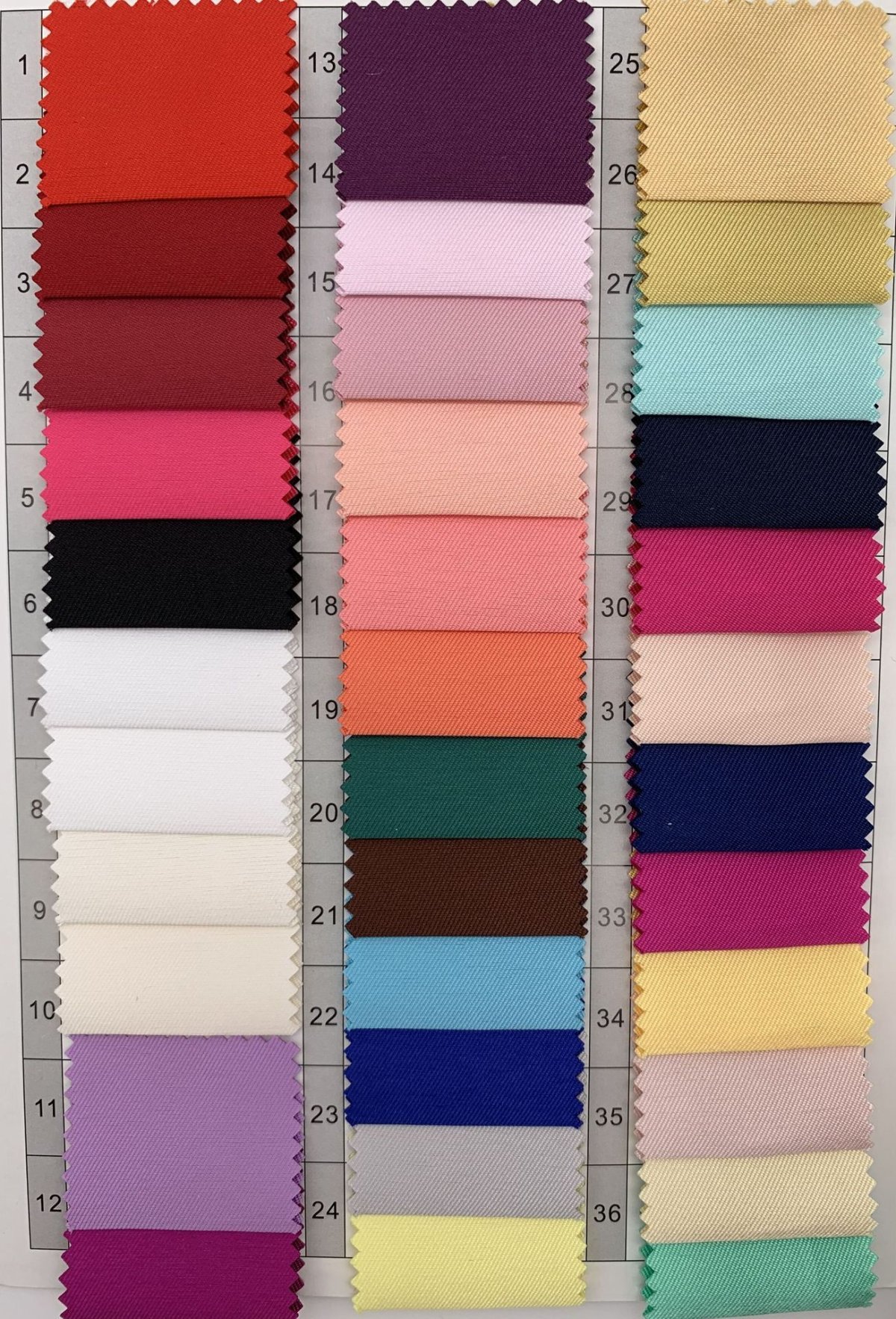
- Fabric composition, construction, target weight or GSM, color, and finish
- Labels, hangtags, buttons, zippers, artwork, and other trims
- Printing, embroidery, garment dye, wash, or other decoration requirements
- Estimated quantity by style and color
- Destination country and required delivery window
- Inspection, testing, packaging, and shipping requirements
If part of the design is still open, label it clearly. For example, you may have confirmed the fit and artwork while still needing fabric recommendations. This helps a manufacturer separate fixed requirements from development questions.
NOVITA accepts tech packs, reference samples, product images, measurements, sketches, and concept ideas as starting materials. Buyers who are still preparing these files can review the clothing sample development process before requesting a quotation.
How to shortlist China clothing manufacturers
Check product-category experience
Ask for examples that are close to your garment in construction and material, not simply close in appearance. A basic cotton T-shirt, a piqué polo, a fully fashioned knit, and a washed denim style require different equipment and production knowledge.
Useful questions include:
- Which product categories do you make regularly?
- Which fabrics and construction methods do you handle in-house?
- Which processes are completed by specialist suppliers?
- Can you work from a complete tech pack, and can you support development when specifications are incomplete?
- What information must be approved before sampling begins?
Clear answers show whether the supplier understands the work behind the garment. They also expose possible handoffs that need closer follow-up.
Confirm the supplier’s role
The word “manufacturer” is used loosely in apparel sourcing. Some businesses own and operate production facilities, while others coordinate orders through outside factories.
Ask who will make the garment, who purchases the fabric, who controls the sample room, and who is responsible for inspection and shipment documents. The commercial contract should also identify the company receiving payment. A transparent structure matters more than the label the supplier uses on its website.
NOVITA owns and operates the garment factory in Foshan. Because the factory does not receive US dollar payments directly, international sales, contracts, and USD payments are handled by Changsha Novita International Trading Co., Ltd. The trading company is the export and payment entity for orders produced by NOVITA’s own factory.
Compare development support
OEM production usually starts with the buyer’s design and technical specifications. ODM adds more supplier support with product development or existing designs. Private-label projects may use either route, depending on how much of the garment is already defined.
Choose the model according to the work your team can provide. A brand with complete tech packs may want close execution against its specifications. A smaller team may need help choosing fabrics, adjusting construction, or developing from reference images. NOVITA’s OEM and ODM manufacturing process explains how those two approaches affect project responsibilities.
Understand MOQ before comparing prices
MOQ is rarely one universal number. It may apply per style, color, fabric, decoration method, or production batch. Fabric mills, dye houses, label suppliers, and packaging suppliers may each have separate minimums.
Ask every Chinese clothing manufacturer the same questions:
- Is the MOQ calculated per style or per color?
- Can sizes be mixed within the quantity?
- Does a custom fabric or color require a higher minimum?
- Do labels, trims, or packaging have separate supplier minimums?
- How does a lower quantity change the unit price?
NOVITA lists stock styles starting from 50 pieces, subject to availability. Custom OEM production generally starts from 100 pieces per color. The final workable quantity depends on the fabric, style, color, and customization required. The clothing manufacturer MOQ guide explains why these variables change the minimum.
For a useful comparison, make sure each quotation is based on the same material, construction, branding, quantity, packaging, and trade terms. Two prices are not comparable when one includes custom fabric and final inspection while the other assumes stock fabric and basic packing.
Use sampling to test the working relationship
Sampling shows how well a supplier reads specifications, raises questions, handles materials, records revisions, and communicates problems. Treat it as a controlled development stage rather than a small version of bulk production.
Before the first sample, confirm:
- The source and specification for the fabric and trims
- The measurement chart and points of measure
- Construction details and workmanship requirements
- Artwork size, placement, technique, and color references
- Which materials are temporary substitutes
- The expected sample type and approval purpose
- Cost, timing, and the number of anticipated revisions
NOVITA’s published sample window is normally 7 to 14 days after the fabric, measurements, design details, and workmanship requirements have been confirmed. Custom materials, special trims, washes, and revisions can extend the schedule.
When the sample arrives, return one consolidated comment sheet. State the actual measurement, required measurement, tolerance, and requested correction. Mark photographs where a visual detail needs adjustment. Comments such as “make it better” or “the fit is wrong” force the development team to guess.
Review quality control before bulk production
Quality requirements need a reference. The approved sample, current tech pack, measurement chart, material approvals, artwork, trim specifications, and packaging instructions should agree with one another before production starts.
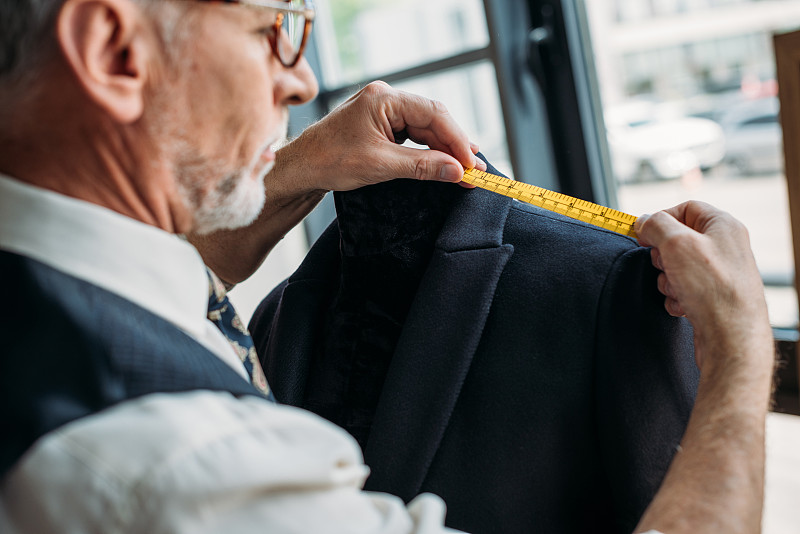
Discuss the inspection plan while corrections are still possible. Common checkpoints include material inspection before cutting, checks during sewing, review after washing or finishing, and final inspection before shipment. The exact plan should match the garment and the risks of the order.
For example, a polo shirt inspection should look closely at collar shape, placket alignment, button spacing, measurements, and seam appearance. Denim orders require checks for wash consistency, hardware, stress points, pockets, seams, and shade variation. A generic checklist may miss the details that matter for your product.
NOVITA’s apparel quality control checklist shows the inspection areas and records buyers can define for men’s clothing orders.
Ask how production and communication are managed
A workable production schedule begins only after the required approvals and commercial terms are complete. Ask what event starts the quoted lead time and which buyer decisions can stop the schedule.
For NOVITA projects, bulk production is normally stated as approximately 25 to 45 days after the sample, materials, order details, and deposit are confirmed. The actual timing depends on the garment, fabric, quantity, finishing, and production schedule. International transit time is separate.
Before placing an order, agree on:
- Your day-to-day contact person
- The approval method for fabric, trims, color, and samples
- How changes will be recorded
- Which production updates and photographs will be provided
- The inspection and release process
- Packing documents and carton markings
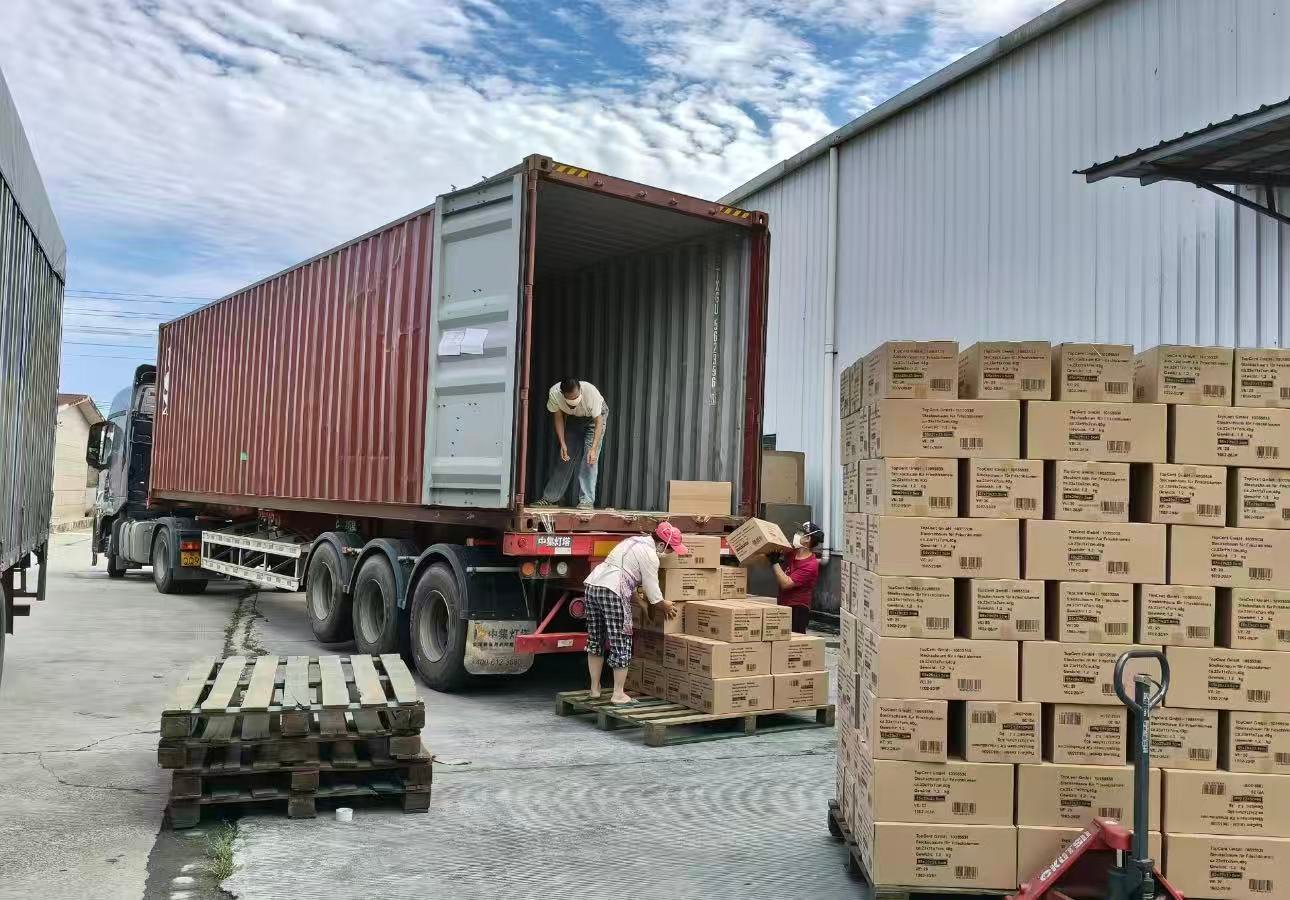
- Shipping responsibilities and trade terms
Keep approvals in writing. A message thread is much easier to review when each change refers to the current specification or sample version.
Red flags when evaluating a clothing factory in China
One warning sign does not always disqualify a supplier, but repeated ambiguity raises the risk of misunderstanding. Pay closer attention when a supplier:
- Quotes from one product photograph without asking about fabric, measurements, construction, quantity, or branding
- Gives one fixed MOQ for every product and material
- Cannot explain who will make the order or inspect it
- Promises an exact delivery date before materials and sample requirements are known
- Avoids documenting changes and approvals
- Sends samples that use unmarked substitute materials
- Cannot explain what is included in the price or which costs are separate
A capable supplier may still need time to check fabric availability, construction, or finishing before confirming the price. A careful answer is more useful than an immediate promise that ignores the specification.
A practical quotation comparison
Put every quotation into the same comparison sheet. The cheapest line item often changes once material, sampling, trims, packaging, inspection, and shipping assumptions are made visible.
| Comparison point | What to confirm |
|---|---|
| Product scope | Style, construction, measurement chart, and size range |
| Fabric | Composition, construction, weight or GSM, color, finish, and source |
| MOQ | Minimum by style, color, fabric, and decoration |
| Sampling | Sample type, cost, material basis, timing, and revision terms |
| Branding | Labels, hangtags, artwork, trims, and packaging |
| Production | Lead-time starting point and included processes |
| Quality | Approval references, checkpoints, inspection method, and records |
| Commercial terms | Currency, payment schedule, Incoterm, and price validity |
| Shipping | Packing method, export documents, freight responsibility, and transit estimate |
Use the same project brief for every supplier. If one manufacturer proposes an alternative fabric or construction, record that variation instead of treating the revised quote as an equivalent offer.
Working with NOVITA’s own factory in Foshan
NOVITA owns and operates its garment factory in Foshan, Guangdong, China. The factory handles men’s casualwear development and production, including fabric sourcing, sampling, bulk production, quality control, branding, and packaging. Changsha Novita International Trading Co., Ltd. handles international sales, contracts, USD payments, and export coordination because the factory does not receive US dollar payments directly.
The current product focus includes polo shirts, T-shirts, knitted tops, jersey garments, casual shirts, overshirts, lightweight jackets, and other seasonal men’s apparel. Custom projects generally start from 100 pieces per color, while available stock styles can start from 50 pieces. Sample development normally takes 7 to 14 days after the required information and materials are confirmed.
To receive a useful review, send the product category, reference images or tech pack, fabric requirements, size range, colors, customization details, estimated quantity, destination country, and target timing. You can explore NOVITA’s custom apparel manufacturing services or send your project details for review.
Frequently asked questions
How do I find a reliable clothing manufacturer in China?
Define your product first, then shortlist suppliers with relevant category and material experience. Compare how they handle technical questions, sampling, MOQ, quality control, documentation, and production communication. Verify who will manufacture the garments and who will receive the order payment before signing a contract.
What should I send to a Chinese clothing manufacturer for a quote?
Send a tech pack or clear reference, measurement chart, target fabric, colors, size range, artwork, trims, packaging, estimated quantity, destination, and required timing. State which details are confirmed and which still need development.
What is a typical MOQ for clothing production in China?
There is no single MOQ across China clothing manufacturers. The minimum depends on the style, fabric, color, trims, decoration, and production setup. NOVITA’s custom OEM orders generally start from 100 pieces per color, while available stock styles can start from 50 pieces.
Should I choose OEM, ODM, or private-label production?
Choose OEM when your team has the design and technical specifications. ODM suits projects that need more development support or want to adapt an existing design. Private label describes the buyer’s branding arrangement and can be combined with either production model.
How long do clothing samples take?
NOVITA normally develops samples in 7 to 14 days after the fabric, measurements, design details, and workmanship requirements are confirmed. Special materials, washes, trims, or revisions may require more time.
How can I reduce sourcing risk before bulk production?
Approve the material, measurements, construction, trims, branding, and packaging in writing. Keep the sample and technical documents aligned, define inspection checkpoints, and make sure the quotation and production schedule are based on the same approved specification. NOVITA’s clothing manufacturing FAQ answers additional questions about project preparation and production.
Prepare your project for review
Send one organized brief with your style references, estimated quantity, target materials, customization, destination, and timing. NOVITA will review the information needed for sampling and quotation.
Discuss your project with NOVITA or message the team on WhatsApp.