Choosing between OEM and ODM clothing manufacturing is not simply a matter of selecting one production label over another. The right model depends on how developed your product is, how much design and technical information you already have, and how much support you expect from the manufacturer.
In general, OEM clothing manufacturing is better suited to buyers who already have clear product specifications, while ODM manufacturing involves more manufacturer participation in product development or adaptation. However, many apparel projects fall somewhere between the two.
Understanding the difference helps brands communicate more clearly with suppliers, prepare better quotation requests, and reduce unnecessary revisions during sampling and production.
For a practical approval workflow, see our clothing sample development guide.
Key Takeaways
• OEM usually starts with buyer-defined specifications; ODM usually involves more supplier development input.
• OEM and ODM do not automatically determine MOQ, unit price, lead time, IP ownership or exclusivity.
• Many apparel projects use a hybrid or co-development workflow.
• The best model depends on what is already defined and what still needs development.
• A clear brief, sample approval and defined responsibilities matter more than the label alone.
The main difference is where product development begins and how responsibilities are divided, not simply who manufactures the garments.
| Factor | OEM Clothing Manufacturing | ODM Clothing Manufacturing |
|---|---|---|
| Starting point | Buyer has a defined product concept or specifications | Buyer may begin with references, concepts or incomplete specifications |
| Buyer input | Usually higher | Varies with development needs |
| Manufacturer role | Turns buyer requirements into samples and production | May provide more development or adaptation support |
| Tech pack | Often important | May be incomplete at the beginning |
| Best suited for | Brands with developed designs and clear requirements | Buyers needing more development support |
OEM stands for Original Equipment Manufacturer.
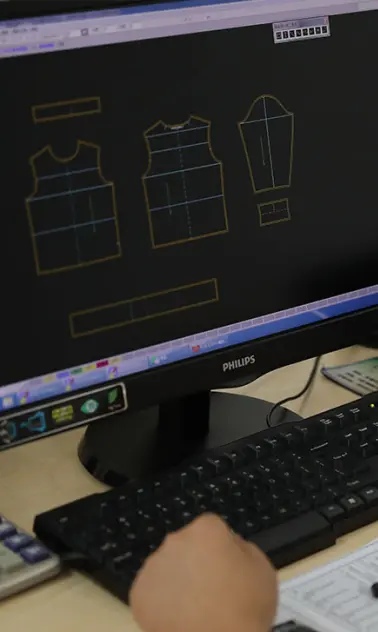
In apparel sourcing, OEM usually describes a project where the buyer already has a relatively clear product specification and asks a manufacturer to turn that specification into samples and bulk production.
The buyer may provide a tech pack, measurement chart, construction details, fabric requirements, reference samples, artwork, labels, trims and packaging instructions. The manufacturer then evaluates whether the design can be produced efficiently and may provide technical feedback before sampling.
OEM works particularly well when a brand already knows what it wants to manufacture. A detailed tech pack is often helpful because it gives both sides a common reference for measurements, construction, materials and garment details.
If you are still evaluating potential suppliers, our guide to choosing a reliable clothing manufacturer in China explains additional factors buyers should review before starting development.
ODM stands for Original Design Manufacturer.
In clothing manufacturing, ODM generally involves more manufacturer participation during product development. A buyer might begin with reference garments, sketches, mood boards, fabric ideas, photographs, target silhouettes or a general product concept.
The manufacturer may then help translate those ideas into a product that can move into sampling and production. The exact scope of ODM support varies from one supplier and project to another.
For this reason, buyers should not rely only on the word “ODM.” The more useful question is: What development work will the manufacturer actually provide for this project? That scope should be clarified before sampling begins.
One of the most common sourcing mistakes is assuming that the words OEM and ODM automatically determine every commercial condition of an order.
They do not. Whether a project is described as OEM or ODM does not by itself determine MOQ, unit price, sampling time, production lead time, intellectual-property arrangements or exclusivity.
Garment complexity, fabric availability, color quantity, trims, printing or embroidery, pattern development, sample revisions and total order volume can all affect manufacturing requirements.
That is why buyers should compare the actual production proposal rather than choosing a factory only because it describes itself as an OEM or ODM manufacturer. Our clothing manufacturer MOQ guide explains why minimum quantities can change with materials, customization and production setup.
A practical way to decide is to look at what information you already have before contacting a manufacturer.
| Your Current Starting Point | Better Starting Route |
|---|---|
| Complete tech pack, measurements and construction details | OEM |
| Approved sample plus detailed specifications | OEM or Hybrid |
| Sketches and references but incomplete technical documentation | ODM or Co-development |
| Some details are fixed but others still require development | Hybrid |
| Mainly looking for an existing product with customized branding | Private label may be more relevant |
This approach is more useful than asking whether OEM or ODM is universally “better.” The better option is the one that matches your current product-development stage.
Yes. Many real apparel projects do not fit perfectly into a single category.
A buyer may already provide garment measurements, logo and general design while asking the manufacturer to recommend suitable fabrics or help refine construction details. Another project may begin with a reference garment, develop several elements together with the supplier, and then use detailed specifications for bulk production.
This can be considered a hybrid or co-development workflow. What matters most is that both parties clearly define who provides the design information, who develops each technical detail, what needs approval before production, and which sample becomes the reference for bulk manufacturing.
NOVITA’s OEM & ODM manufacturing process provides an overview of how an apparel project can move from inquiry and sampling through production, quality control and shipment.
OEM, ODM and private label are often discussed together, but they are not identical.
OEM generally begins with a buyer-developed product. ODM usually involves more supplier participation in product development. Private label often refers to a buyer selecting an existing or relatively established product structure and applying its own branding, labels, packaging or limited customization.
The boundaries can overlap, and a manufacturer may support more than one model depending on the project. When contacting a supplier, it is usually better to explain exactly what you need instead of simply asking, “Do you provide OEM or ODM?”
A more useful inquiry describes what product information already exists and what still needs development.
Choosing the correct development model does not guarantee that a supplier is suitable for your order volume.
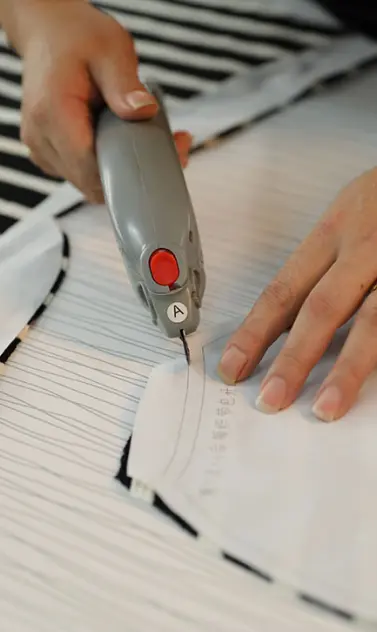
A factory must also have the production organization, equipment and available capacity required for the project. A small development-heavy order and a large repeat production order can require very different manufacturing resources.
Before confirming a supplier, buyers should therefore evaluate both product-development capability and production capability.
Our clothing manufacturer production capacity guide explains how production lines, order volume and available capacity should be evaluated separately from MOQ.
Providing better information at the beginning usually makes supplier evaluation more efficient.
A useful quotation request can include product category, tech pack or reference images, preferred fabric or material direction, size range, colors, estimated order quantity, printing or embroidery requirements, labels and branding, packaging requirements, destination market and target schedule.
If some information is not yet available, say so clearly. For an ODM or co-development project, it is especially useful to identify which parts of the product are already fixed and which parts still require supplier input.
This allows the manufacturer to understand the project scope before quoting or arranging sampling.
Choosing the label before defining the product. A buyer may request “ODM” when the project already has a complete tech pack, or request “OEM” while still expecting the manufacturer to develop most technical details.
Assuming one model automatically means lower MOQ, lower price or faster production. Those conditions need to be evaluated independently.
Moving into bulk production without clearly approving the sample and final specifications. An approved sample provides an important reference for measurements, workmanship, materials, colors, trims and branding.
Sending too little information when requesting a quotation. A vague inquiry makes it difficult for manufacturers to evaluate development work, materials and production requirements accurately.
FAQs
OEM and ODM are starting points for defining development responsibility. For broader production questions, visit our full clothing manufacturing FAQ.
OEM usually begins with buyer-defined product specifications, while ODM generally involves more manufacturer participation in product development or adaptation.
A detailed tech pack is highly useful for OEM projects because it communicates measurements, construction, materials and garment details. The exact documentation required depends on the product and manufacturer.
Not necessarily. ODM may involve product-development support, while private label often starts from an existing or relatively established product structure that is customized with branding or selected details.
Neither is automatically better. The right choice depends on how developed the brand's product specifications are and how much technical or product-development support is required.
Yes. Some projects use a hybrid approach where the buyer defines certain elements while the manufacturer helps develop others. Responsibilities should be clarified before sampling and production.
OEM and ODM are useful terms, but they should not replace proper supplier evaluation.
A suitable clothing manufacturer should understand the product requirements, explain what development support it can provide, identify potential production issues and establish a clear workflow before bulk production.
The most useful question is not simply, “Is this an OEM or ODM factory?” It is: “Which parts of my product are already defined, which parts still need development, and can this manufacturer support both stages reliably?”
For brands looking for custom apparel development and production support, explore NOVITA’s Apparel Solutions.
Post Tags :
Share :