Clothing sample development turns a design idea into a garment that a buyer can inspect, fit and approve before bulk production. A clear sampling process reduces sizing errors, fabric misunderstandings and avoidable changes after production begins.
For most custom menswear projects, NOVITA develops samples in approximately 7–14 days after the fabric, measurements, construction details and workmanship requirements are confirmed. The exact timeline depends on fabric availability, garment complexity, trims and the number of revisions required.
Quick answer: To start a clothing sample, send a tech pack or reference garment, measurement chart, target fabric, color references, branding details and expected order quantity. The manufacturer should confirm open questions before pattern development and provide a clear approval path before bulk production.
What Is Clothing Sample Development?
Clothing sample development is the controlled process of creating and refining a physical garment before mass production. It allows the brand and manufacturer to confirm fit, measurements, fabric behavior, construction, trims, color and decoration in a small quantity.
A sample is more than a visual prototype. It is also a production reference. Once approved, the sample, measurement chart, bill of materials and written comments should point to the same final specification. This alignment helps the factory maintain consistency when the order moves to the production line.
If you are still deciding how much product-development support you need, compare the responsibilities in our OEM vs ODM clothing manufacturing guide.
Information to Send Before Sampling
The fastest sampling projects begin with complete, organized information. A manufacturer can work from a detailed tech pack, a physical reference sample, a sketch with measurements or a combination of these materials. The information below gives the development team a reliable starting point.
- Design: front and back views, construction details and reference images.
- Measurements: size specification, tolerances and the base size to sample.
- Fit: slim, regular, relaxed or oversized, plus the intended customer and market.
- Fabric: composition, knit or weave, weight or GSM, finish and target hand feel.
- Color: Pantone reference, lab dip, fabric swatch or approved physical sample.
- Trims: buttons, zippers, drawcords, labels, patches and packaging requirements.
- Decoration: print, embroidery, wash, placement, dimensions and artwork files.
- Commercial details: estimated order quantity, target price range, destination and required delivery window.
When some details are not finalized, state that clearly. The manufacturer can then separate confirmed requirements from recommended options and avoid treating an assumption as an approval.
The Clothing Sampling Process Step by Step
1. Requirement and Feasibility Review
The development team reviews the design, measurements, fabric, workmanship and target quantity. This is the stage to identify missing dimensions, conflicting construction notes, unavailable materials or details that would make the target price unrealistic.
A useful review ends with a written list of confirmed specifications and open questions. It should also identify whether the project will use stock fabric, custom-developed fabric or a substitute for the first fit sample.
2. Fabric and Trim Confirmation
Fabric choice affects fit, drape, shrinkage, color, print performance and garment cost. Two materials with the same fiber composition can behave differently because of yarn, structure, weight and finishing. Buyers should therefore approve a physical swatch or material sample whenever possible.
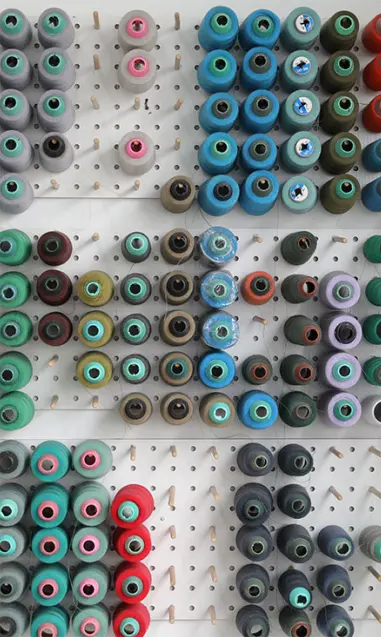
For custom colors, a lab dip may be needed before the final sample. Trims should also be checked for size, finish, function and color rather than selected only from a photograph.
3. Pattern Development
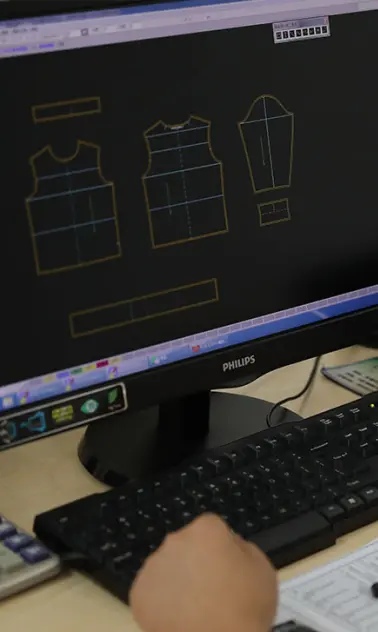
The pattern translates the design and size specification into garment pieces. The pattern maker considers seam construction, ease, balance, shrinkage allowance and the behavior of the selected material. For a reference garment, measurements and fit are reviewed before the new pattern is prepared.
4. Sample Cutting and Sewing
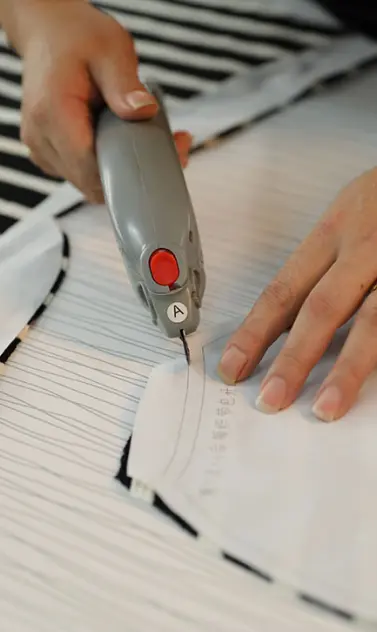
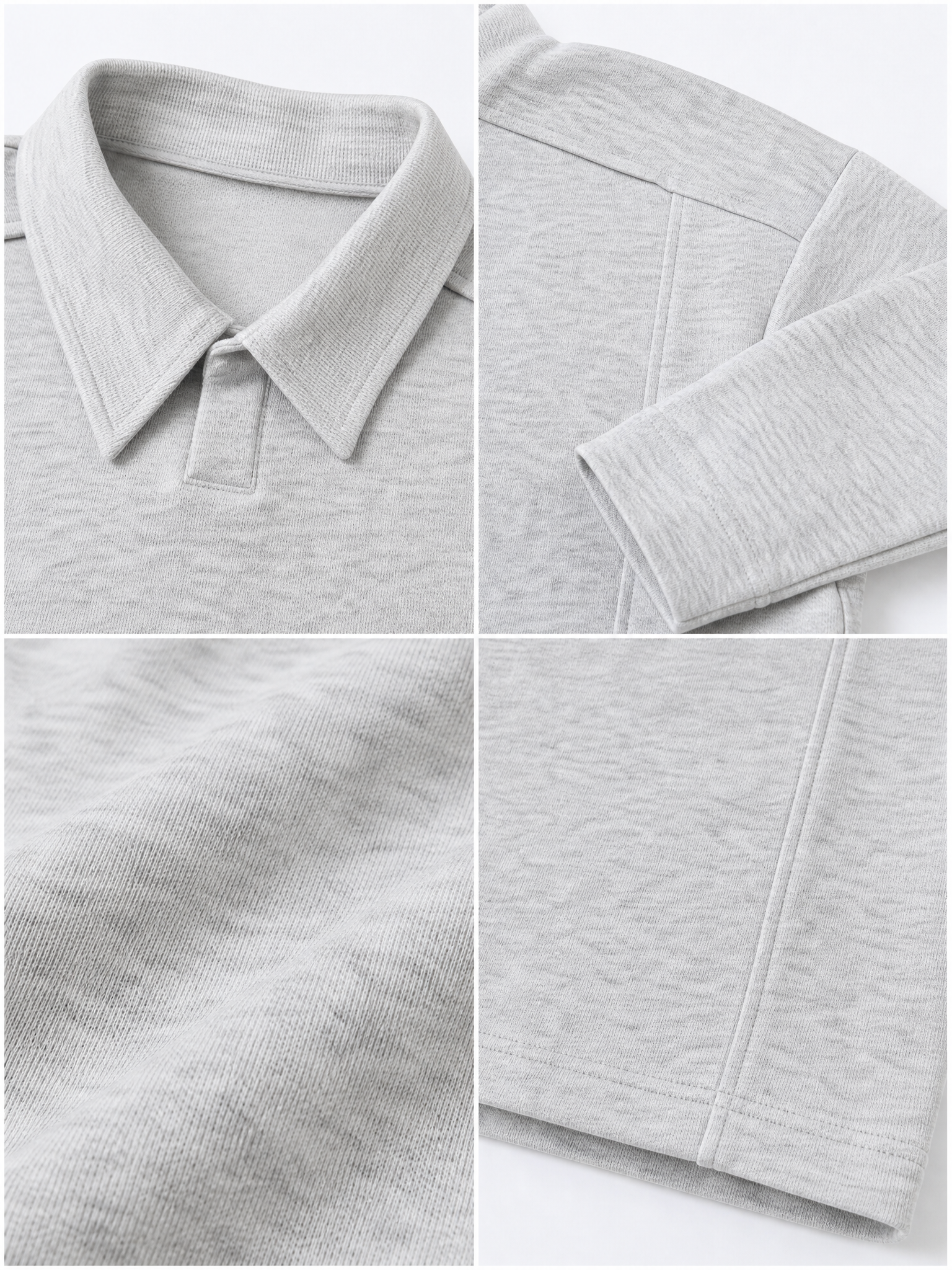
The sample room cuts the selected fabric and assembles the garment according to the proposed construction. At this point, the team checks whether details that looked correct on paper work in the actual material. Complex pockets, plackets, collars, washes or decorations can add development time.
5. Internal Measurement and Workmanship Check
Before the sample is sent, the manufacturer should compare key measurements with the specification and review visible workmanship. The goal is to catch obvious deviations before the buyer spends time evaluating the garment.
6. Buyer Fit Review and Comments
The buyer reviews fit, appearance, measurements, fabric and construction. Comments should be specific and consolidated into one marked document. For example, “increase chest width by 2 cm” is more useful than “make the body looser.” Photographs with arrows and measurement references help both teams interpret the same change.
7. Revised or Pre-Production Sample
If the first sample needs changes, the factory updates the pattern and specifications before making the next version. A pre-production sample is typically made with approved bulk materials and represents the intended production standard. Bulk production should begin only after the required approvals are documented.
See how sampling connects with sourcing, production and inspection in NOVITA’s OEM and ODM manufacturing process.
Common Sample Types
| Sample type | Main purpose | What the buyer checks |
|---|---|---|
| Development sample | Translate the design into the first physical garment | Overall appearance, construction feasibility and initial measurements |
| Fit sample | Evaluate silhouette, balance and movement | Fit on the intended body or form, measurement corrections and comfort |
| Fabric or color sample | Confirm material, hand feel or shade | Composition, weight, surface, stretch, drape and color |
| Sales sample | Support presentations or wholesale selling | Representative appearance and commercial details |
| Pre-production sample | Set the reference before bulk production | Approved fabric, trims, branding, workmanship and measurements |
Why a Sample Can Take Longer Than Expected
A quoted sampling time normally begins after the required information and materials are confirmed. Delays often occur before sewing starts. The most common causes are incomplete measurements, unavailable fabric, custom-dyed colors, special trims, late artwork changes and comments arriving from several people at different times.
Brands can reduce avoidable delays by appointing one decision maker, approving substitutions for the first fit sample when appropriate and returning one consolidated comment sheet. Changes to fit, fabric and decoration should be separated so the factory knows which approvals remain open.
How Sample Cost Relates to MOQ
Sample cost and bulk minimum order quantity are connected but are not the same. A sample requires individual pattern, cutting and sewing work, while bulk MOQ is often driven by fabric, dyeing, trims, colors and production setup.
NOVITA’s stock styles can start from 50 pieces. Custom OEM orders generally start from 100 pieces per color, with the final quantity depending on fabric, style, color and customization. For a fuller explanation, read the clothing manufacturer MOQ guide.
Sample Approval Checklist for Clothing Brands
- Compare every key measurement with the current specification.
- Check front, back and side balance on the intended body or fit form.
- Confirm fabric composition, weight, stretch, hand feel and color.
- Inspect collars, plackets, pockets, seams, hems and fastening function.
- Measure print and embroidery size, position and color.
- Confirm labels, care information, hangtags and packaging.
- Record every approved change in the tech pack or comment sheet.
- Keep one approved reference and record the approval date and version.
Sampling approval should also connect to the factory’s production and inspection controls. Review our guide to choosing a reliable clothing manufacturer in China for a broader supplier evaluation checklist.
Clothing Sample Development at NOVITA
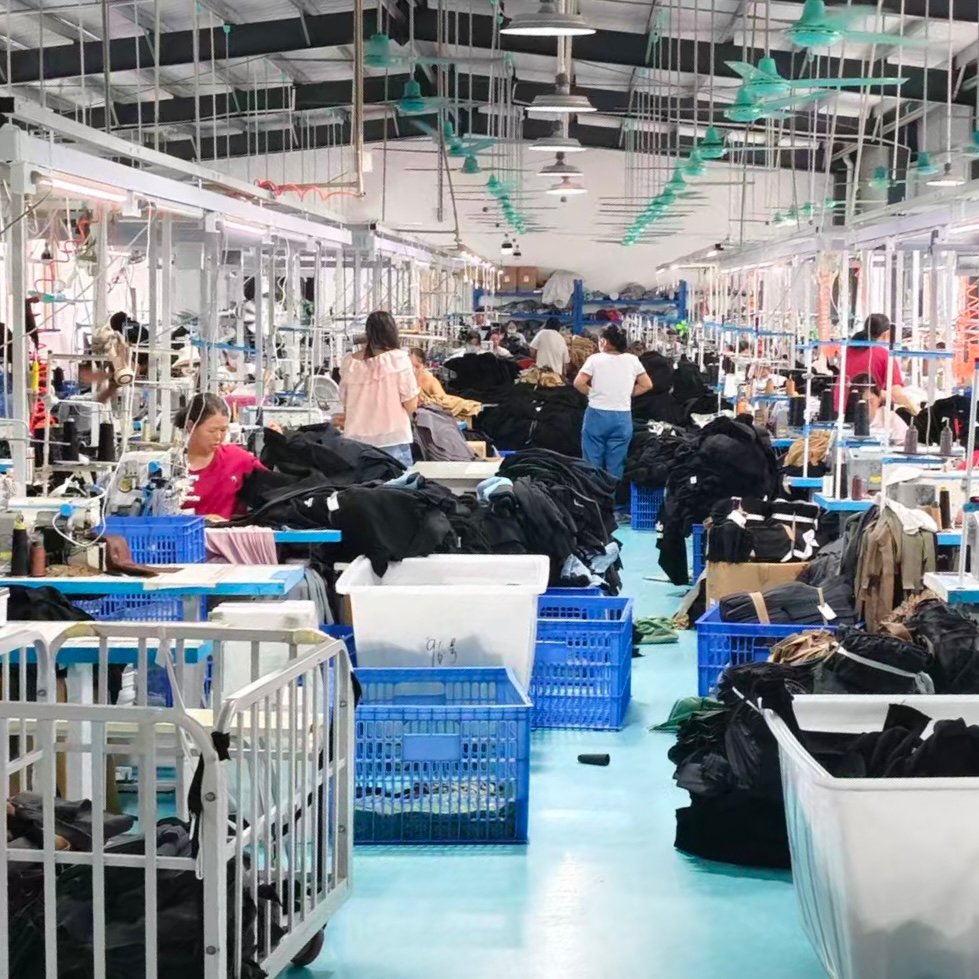
NOVITA supports men’s casualwear projects including polo shirts, T-shirts, hoodies, loungewear, knitted tops, casual shirts and lightweight jackets. The service covers fabric sourcing, sample development, bulk production, quality control and shipment coordination.
Once the design details and materials are confirmed, the normal sample-development window is 7–14 days. Buyers can provide a tech pack, measurements, a physical sample, sketches or reference images. The team then reviews the requirements before sampling and production.
Frequently Asked Questions
How long does a clothing sample take?
NOVITA normally develops samples within 7–14 days after the fabric, measurements, design details and workmanship requirements are confirmed. Custom fabrics, trims, washes or multiple revisions can extend the schedule.
Can I request a sample before placing a bulk order?
Yes. A sample allows you to review fabric, fit, measurements, color and workmanship before mass production. It also creates a clearer approved reference for the factory.
Do I need a complete tech pack?
A detailed tech pack is the clearest starting point, but development may also begin from a physical sample, measurement chart, sketch or reference images. Missing details should be resolved before sampling.
Can I change the sample after receiving it?
Yes. Send consolidated comments with exact measurements, photographs and marked locations. The factory can update the pattern and specifications before preparing a revised or pre-production sample.
Start a Sample Request
Prepare your product category, design references, estimated quantity, target fabric, destination market and required delivery window. NOVITA can then review the project and recommend the next sampling step.
Discuss your sample project with NOVITA on WhatsApp or review additional answers in our clothing manufacturing FAQ.
Related Products and Services
Explore the product categories we manufacture: custom polo shirts, custom t-shirts and custom knitted tops. For order terms, see the product overview or request a quote.

One Response