Quick Answer
An apparel quality control checklist should cover fabric identity and appearance, measurements and fit, seams, trims, decoration, washing performance, labels, and export packaging. Compare the garments with the approved tech pack and sample. Write down any differences so the buyer can decide whether to request corrections, arrange further testing, or approve shipment.
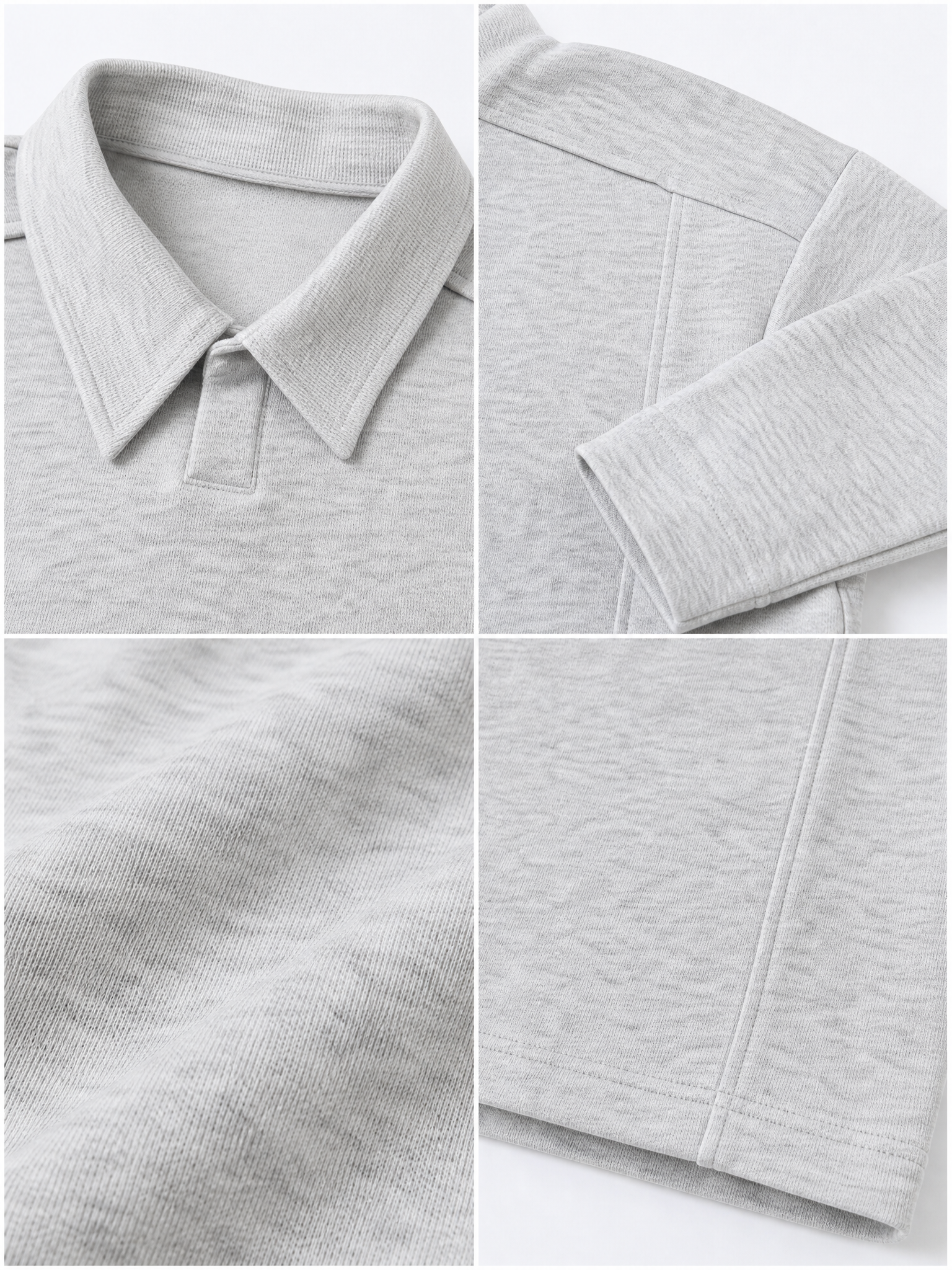
The garment determines where to look closely. On a polo, examine the collar and placket. On a T-shirt, check the neckline and side seams. Knitted tops need attention to stretch recovery and snagging. Denim jeans, shorts, and jackets need closer inspection of hardware, stress points, and wash consistency.
AQL 2.5 is part of the shipment inspection plan. Before inspection, the buyer and inspection team also need to agree on the lot, inspection level, defect categories, and acceptance rules. A tidy-looking garment and a passed sampling inspection cannot answer every question about performance or safety.
Key Takeaways
- Resolve differences between the approved sample and written specification before inspection starts.
- Add checks for the garment being ordered; a generic workmanship list can miss category-specific defects.
- Use the agreed test methods to assess composition and wash performance. Appearance alone cannot establish either.
- A passed sampling inspection does not guarantee that every garment is defect-free.
- Give unresolved defects a documented decision before releasing the shipment.
Give inspectors a clear approval reference
Prepare the current tech pack, measurement chart, approved sample, fabric reference, color approval, trim specifications, and packaging instructions. Identify which version controls the order. If the fabric changed after sample approval, the earlier sample may no longer represent the finished garment.
A lab dip and a bulk fabric reference serve different stages of color approval. Tell the inspector which reference to use and record the conditions for comparing shades. For fit, define where each measurement starts and ends, along with whether it is taken before or after the agreed wash procedure.
Resolve conflicting instructions during sample development and approval. Otherwise, the inspector may be asked to judge the same garment against incompatible requirements.
Apparel quality control checklist: what to inspect and record
Use this table to prepare the inspection brief. Each result should be traceable to the requirement it was checked against.
| Inspection area | What to examine | What to record |
|---|---|---|
| Fabric | Material against the approved reference, GSM, hand feel, holes, snags, stains, and panel consistency | Material reference, measured results, and photographs of defects |
| Color | Shade against the approved reference; differences between panels or garments | Comparison photographs and inspection conditions |
| Measurements and fit | Specified measurement points, tolerances, balance, symmetry, and silhouette | Actual measurements against the specification |
| Seams and construction | Open seams, skipped stitches, puckering, thread tension, and reinforcement | Close-up photographs identifying the garment and defect location |
| Trims and hardware | Correct buttons, zippers, and labels; attachment, placement, and operation | Trim reference and functional-check results |
| Decoration and finish | Artwork placement, embroidery appearance, print condition, pressing, and wash consistency | Comparison with the approved artwork or sample |
| Labels and packing | Approved artwork, size identification, assortment, barcode data, folding, and carton marks | Packing findings matched to the order and packing list |
Avoid filling the report with unexplained “OK” marks. “Left sleeve measurement outside the agreed tolerance” tells the buyer what needs attention; “size problem” leaves them to investigate again.
Some checks require equipment and a defined method. Visual inspection cannot establish fiber composition or prove colorfastness and dimensional stability. Agree on the required tests beforehand. QIMA describes apparel inspection and laboratory testing as distinct services that assess different aspects of product quality. QIMA apparel quality services, reviewed September 10, 2026.
Where men’s garments need closer inspection
Polo shirts
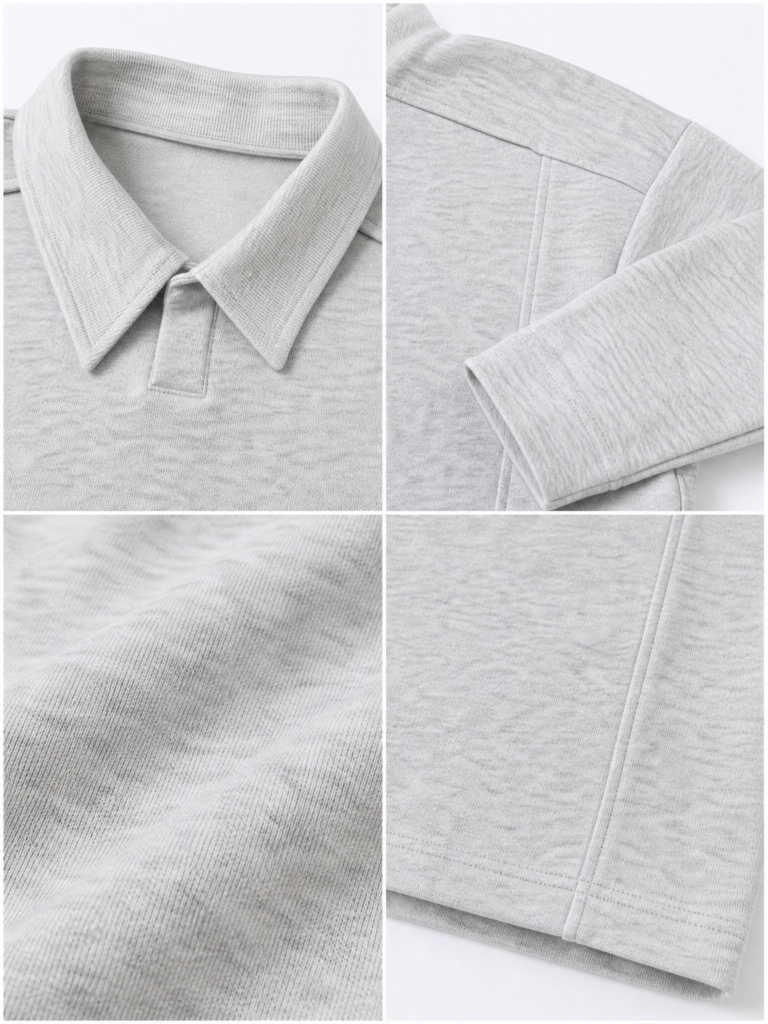
Fasten the polo shirt and compare the collar shape, placket alignment, button spacing, and sleeve openings with the approved sample. The front should hang as intended, without twisting or uneven tension around the neckline.
Look closely at collar attachment and puckering along the placket. If the design includes contrast panels or tipping, compare their placement and shade with the reference. Where wash performance is part of approval, examine the collar again after the agreed care procedure.
T-shirts
For custom T-shirts, the neckline can reveal waviness, seam distortion, or poor recovery after normal handling. Check shoulder alignment, sleeve lengths, body length, and hem appearance against the specification.
For light colors or close-fitting designs, assess opacity under consistent conditions. Include side-seam twisting after washing if the test plan requires it. Fabric weight should suit the approved material and intended fit; heavier fabric does not automatically mean better quality.
Knitted tops
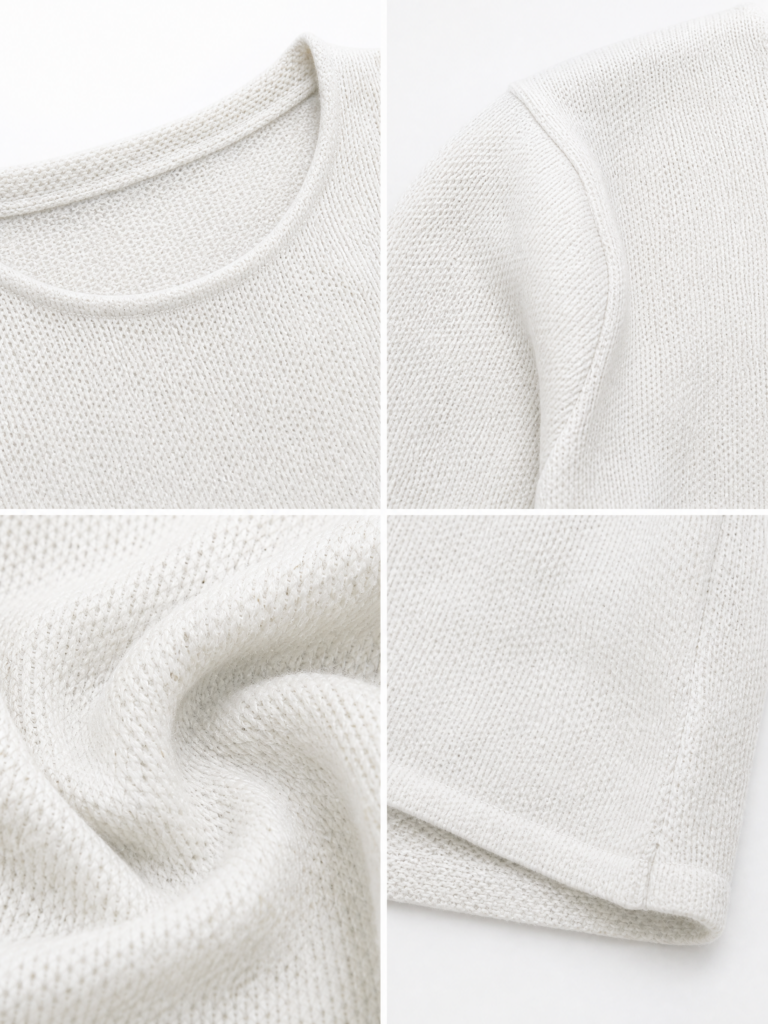
When inspecting knitted tops, examine the knit structure for surface inconsistency, snags, and dropped stitches. Seams also need to behave properly as the garment moves.
For polyester, viscose, and elastane blends, check the specified GSM and use the agreed method to assess stretch recovery. Fiber names alone do not establish how the finished fabric performs. Keep requirements for pilling, shrinkage, and recovery separate from visual workmanship checks. A soft hand feel does not prove that these requirements have been met.
Denim jeans, shorts, and jackets
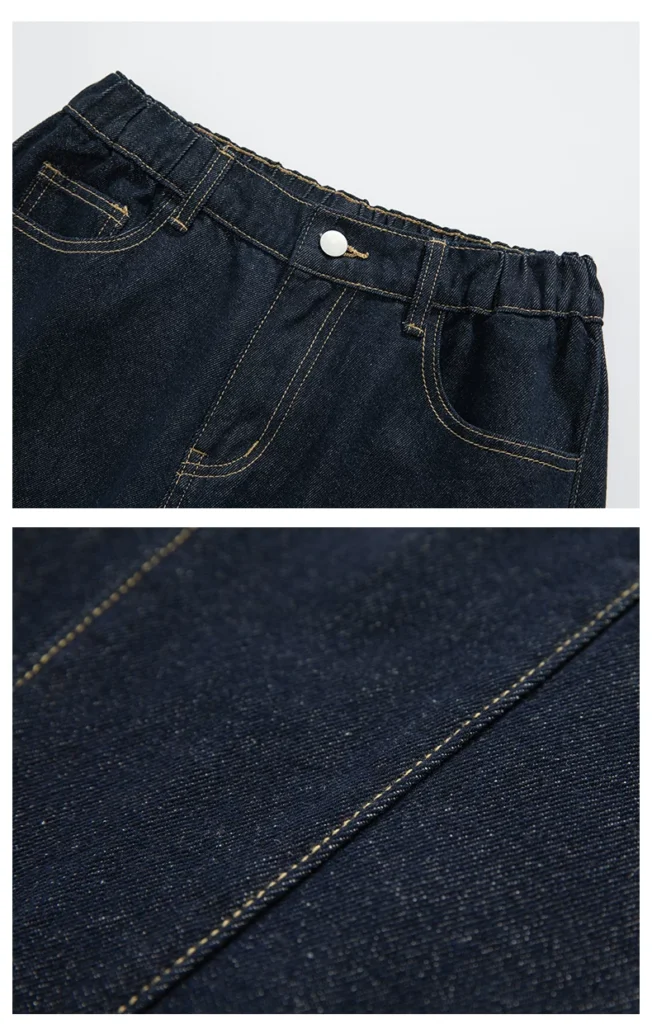
Inspect the waistband, fly, pocket openings, belt loops, seams, and specified reinforcement. Jackets also need checks around the front fastening, collar, cuffs, and pocket attachment.
Operate the buttons and zippers, and examine accessible hardware for rough edges. If attachment strength must be tested, use the agreed method.
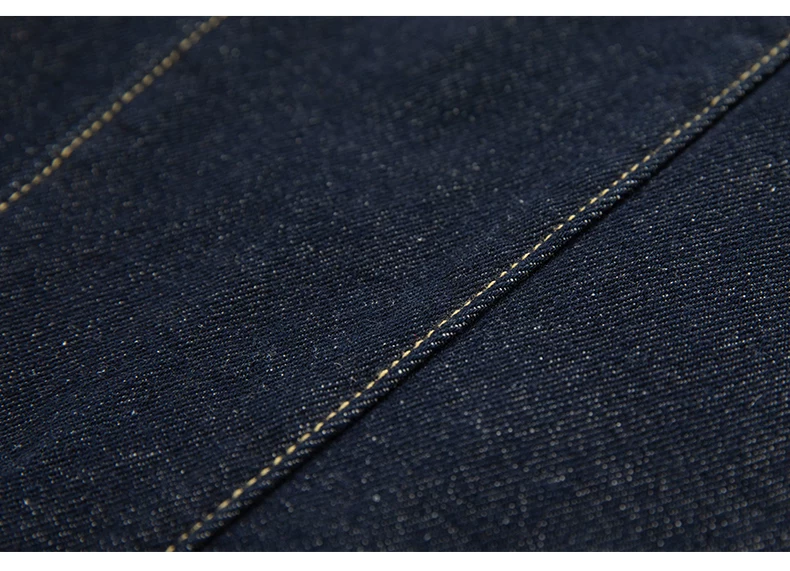
Compare the wash and intentional distressing with the approved reference. A worn finish does not make unplanned damage acceptable.
Linen-cotton garments
Agree on the acceptable texture before inspection. Creasing and irregularity may be part of the fabric’s intended appearance, but inspectors still need a reference that distinguishes those features from damage.
Check panel balance, seam appearance, pressing, and shape after the agreed care procedure. Approved examples make a disagreement about “natural texture” easier to resolve.
Check production while corrections are still possible
| Checkpoint | Decision it supports |
|---|---|
| Before cutting | Are the materials, colors, and specifications ready for production? |
| During sewing | Does construction need adjustment before more garments are made? |
| After washing or finishing | Has the finish changed shade, measurements, seams, or decoration? |
| Before shipment | Do the inspected lot and packing meet the agreed release requirements? |
See how these checkpoints fit into the complete OEM and ODM manufacturing process, from material confirmation and sampling to final inspection and shipment preparation.
If a defect keeps appearing during sewing, review the affected production and the method causing it. Repairing the garment selected for inspection does not resolve the rest of the problem.
Repeat the relevant checks after correction. A photograph of a repaired seam documents that repair; it does not establish that the remaining affected garments were checked.
Apparel quality control checklist: using AQL 2.5
AQL, or acceptance quality limit, is part of a sampling system used to decide whether to accept a lot.
AQL 2.5 alone does not specify the sample size or the number of defects allowed. The complete sampling plan determines those values. It also does not authorize a fixed percentage of defective garments in every shipment.
The inspection brief should state:
- Which lot is being assessed and how it is identified.
- The inspection level and sampling procedure.
- How critical, major, and minor defects are classified.
- Which defect category uses AQL 2.5.
- The applicable acceptance and rejection criteria.
- How failed checks and unresolved safety concerns are handled.
QIMA’s guidance explains that sample selection and acceptance thresholds depend on shipment quantity, inspection level, and the chosen AQL settings. QIMA AQL guidance, reviewed September 10, 2026.
Treat critical safety concerns separately from routine appearance defects. A sampling result is not a reason to dismiss a known safety problem.
Match the packing to the order
Inspect the contents as well as the labels. A carton may carry the correct size-and-color description while containing the wrong assortment.
Compare garment size labels, hangtags, barcode data, folding, protective packing, and carton marks with the approved instructions. Reconcile the packing list with the actual contents and agreed assortment.
Review protection against moisture, abrasion, and distortion for the garment and transport plan. Document the preparation required for the selected air or sea route. Packing approval does not settle responsibility for freight, customs, or delivery arrangements.
Make the report useful for a release decision
For each finding, identify the garment, carton, style, color, and size. Record the requirement, what the inspector observed, the supporting measurement or photograph, defect classification, and proposed action.
Before production, confirm which records can be supplied. Depending on the order, request measurement sheets, material and trim comparisons, workmanship photographs, packing checks, corrective-action records, and a final inspection summary. These records should not be described as laboratory reports or certifications.
When a deviation appears, identify the affected goods and decide whether they need correction, further investigation, or reinspection. Record who is authorized to approve the outcome. Keep the quality-acceptance decision separate from contractual responsibility and remedies.
FAQ
Can an apparel quality control checklist be used for a remote inspection?
Yes, as a shared inspection brief. Specify the views, measurements, garment identification, and records required. Remote photographs cannot independently establish hand feel, attachment strength, or laboratory performance.
Can the same checklist be reused for a repeat order?
Use it as a starting point, then review changes to fabric, trims, pattern, finish, labeling, and packing. Confirm the current reference version before the repeat order begins.
Do Incoterms replace written quality-acceptance requirements?
No. Record product specifications, inspection requirements, and approval responsibilities separately in the purchase agreement. Have the relevant commercial parties confirm how those terms relate to the shipment arrangement.
Prepare a quality brief for your product
Choose the checks that fit the garment, attach the approved references, and name the person who can approve unresolved deviations.
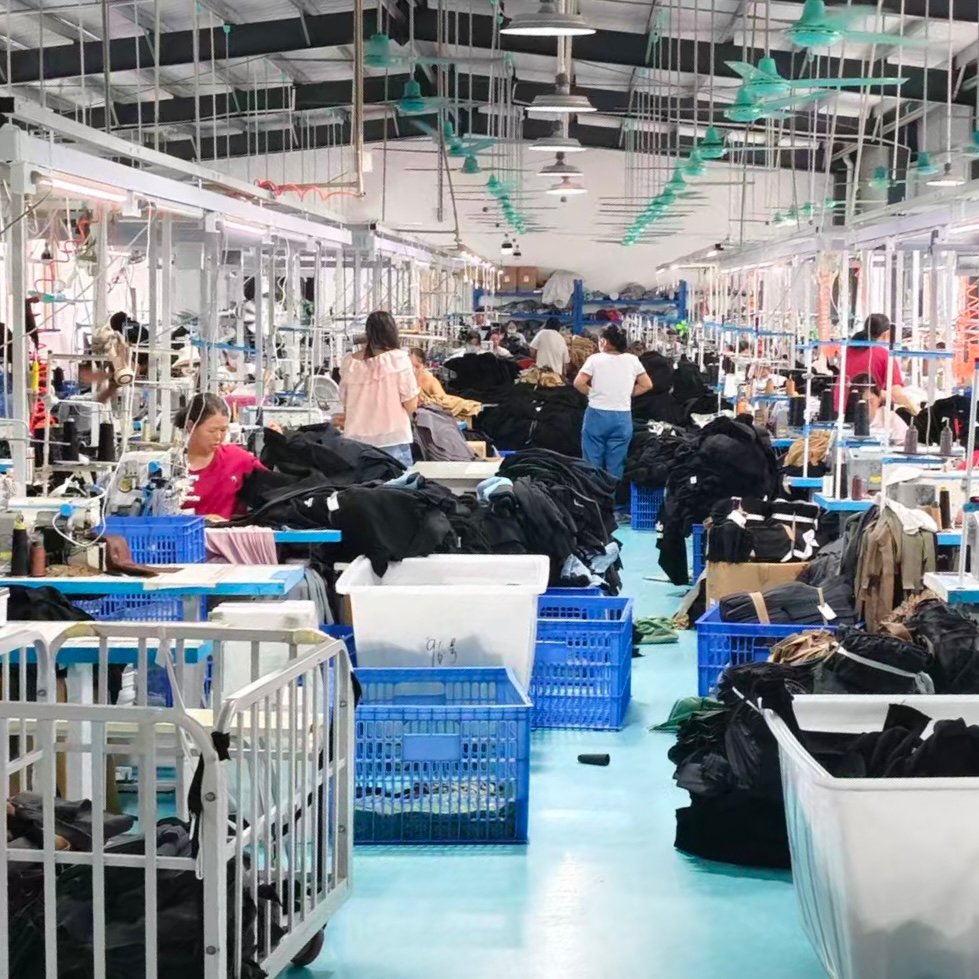
NOVITA supports men’s OEM, ODM, and private-label projects as a trading company working with partner factories in Foshan, Guangdong, China. Shipment inspection uses AQL 2.5. Confirm the inspection scope and acceptance arrangements for the order in writing.
Browse the men’s apparel product range to identify the relevant category. Then send your tech pack, sample comments, and inspection requirements through the NOVITA contact form or WhatsApp for review.