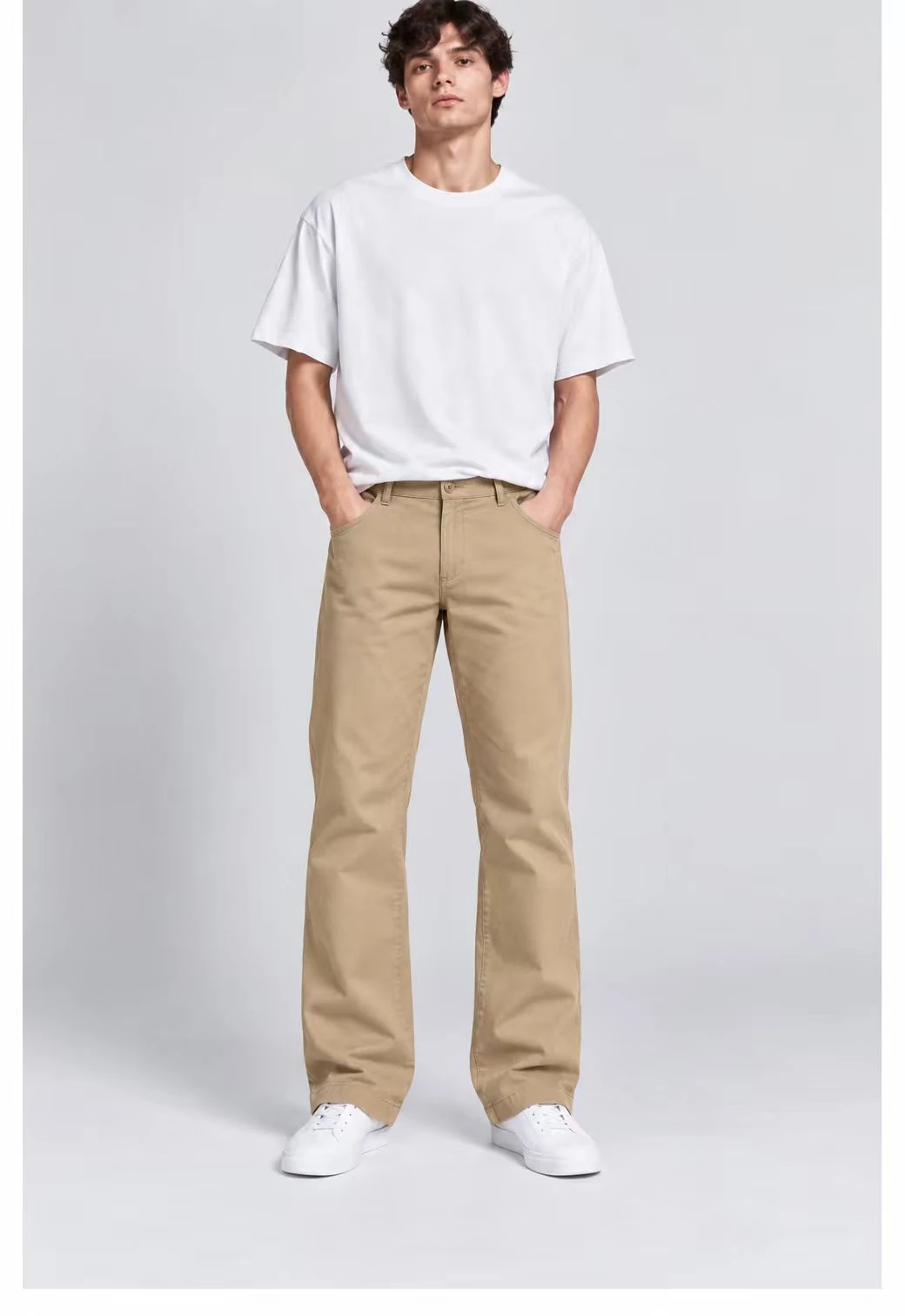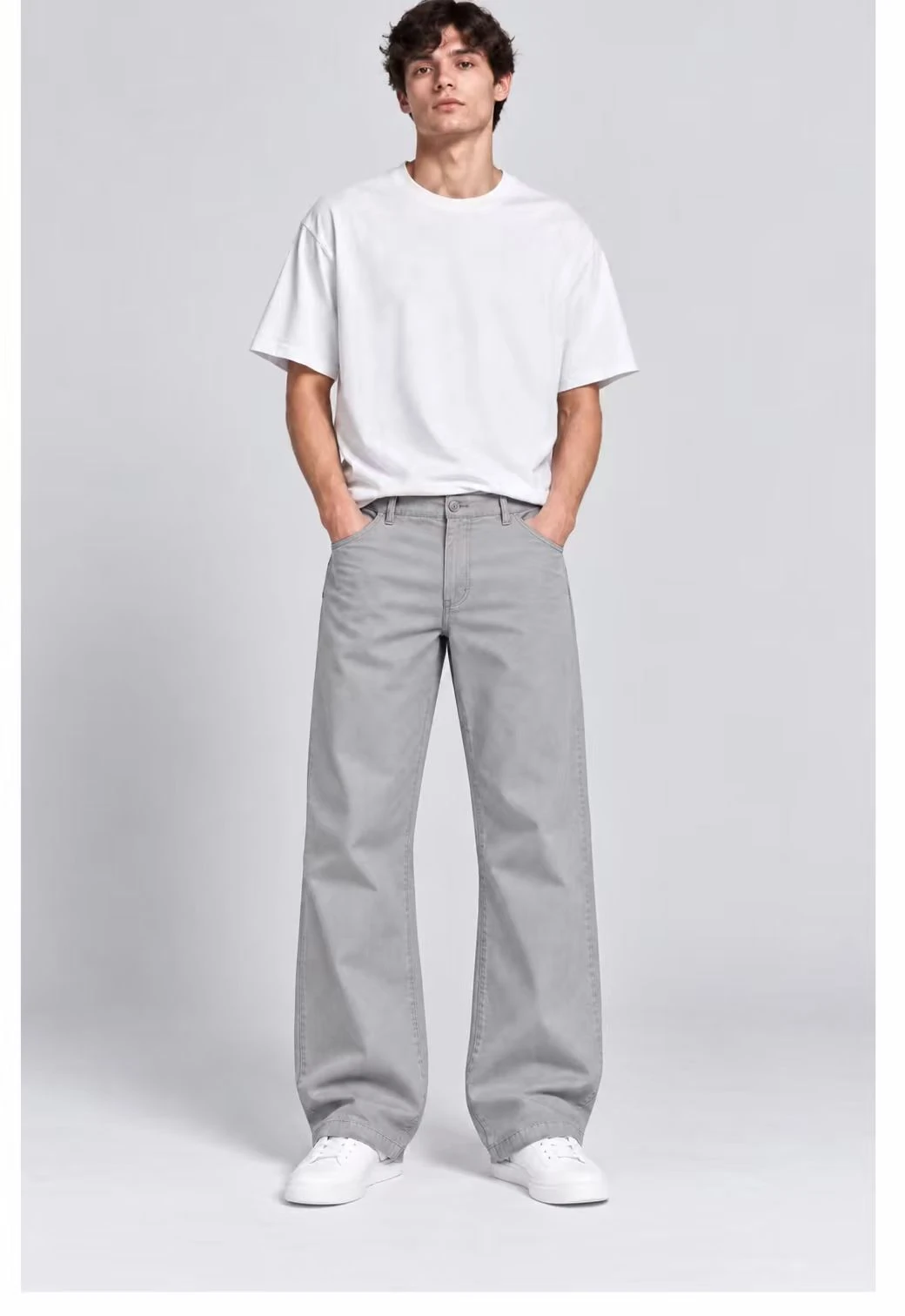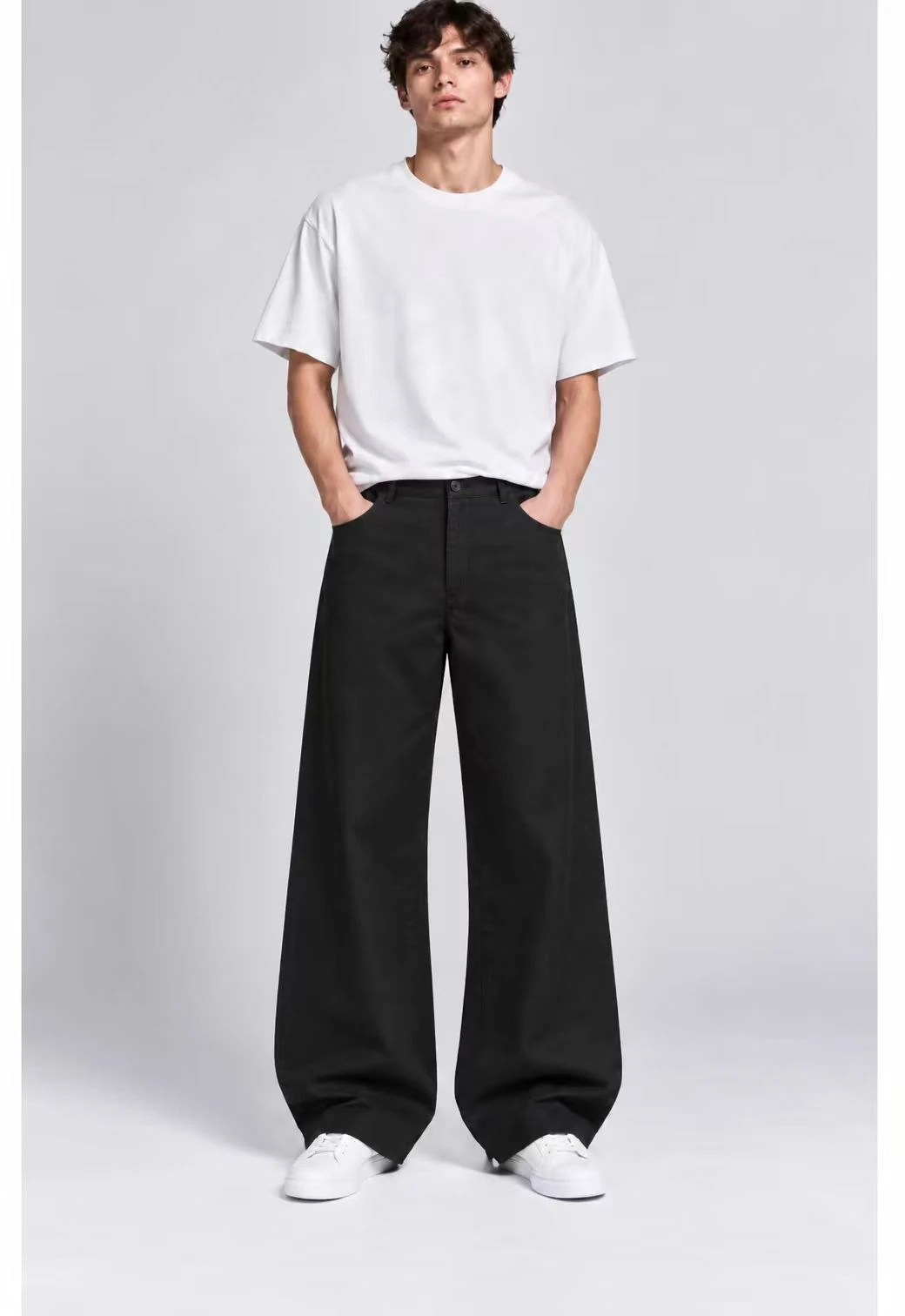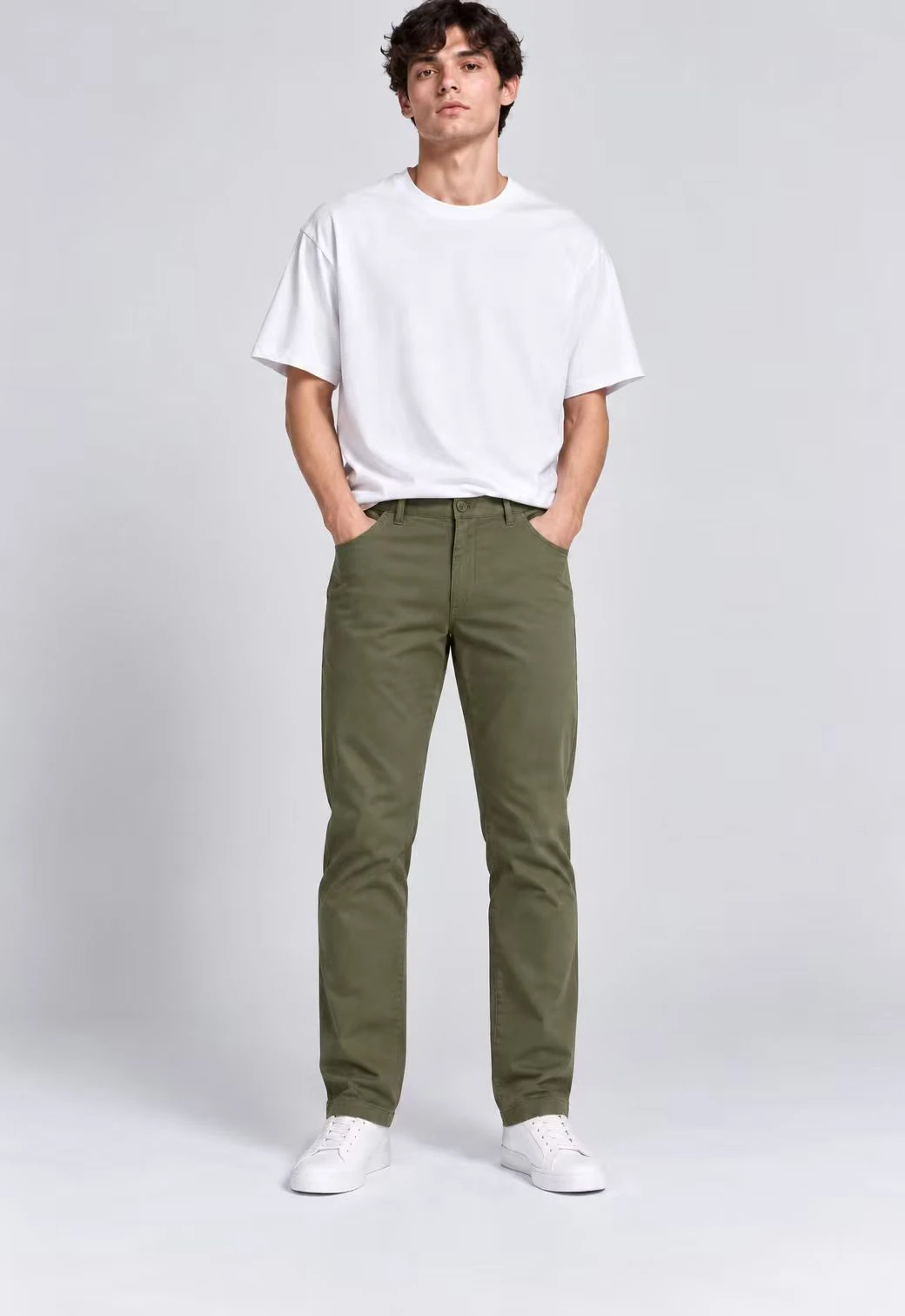
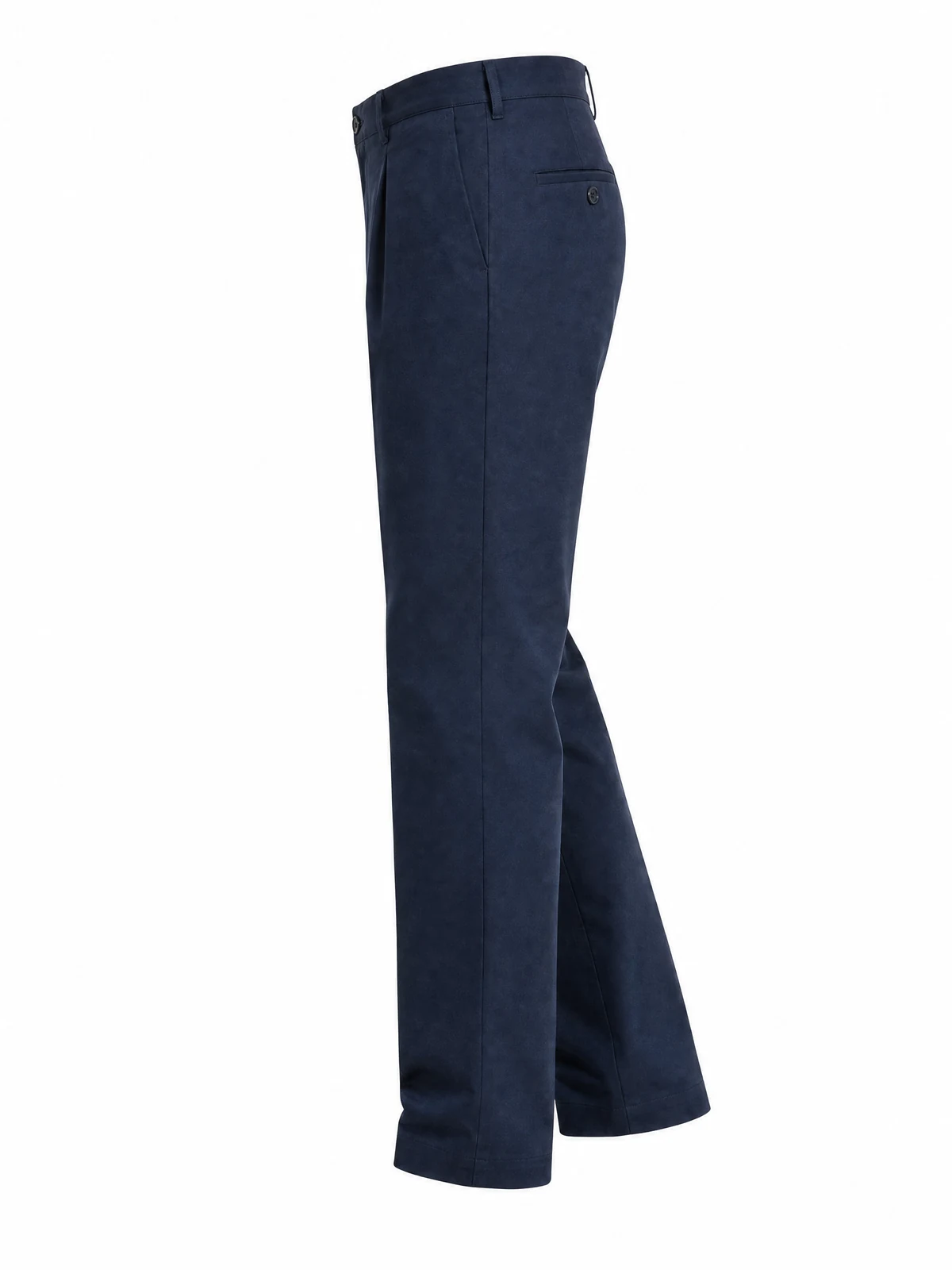

Custom Pleated Casual Pants
Quick Overview
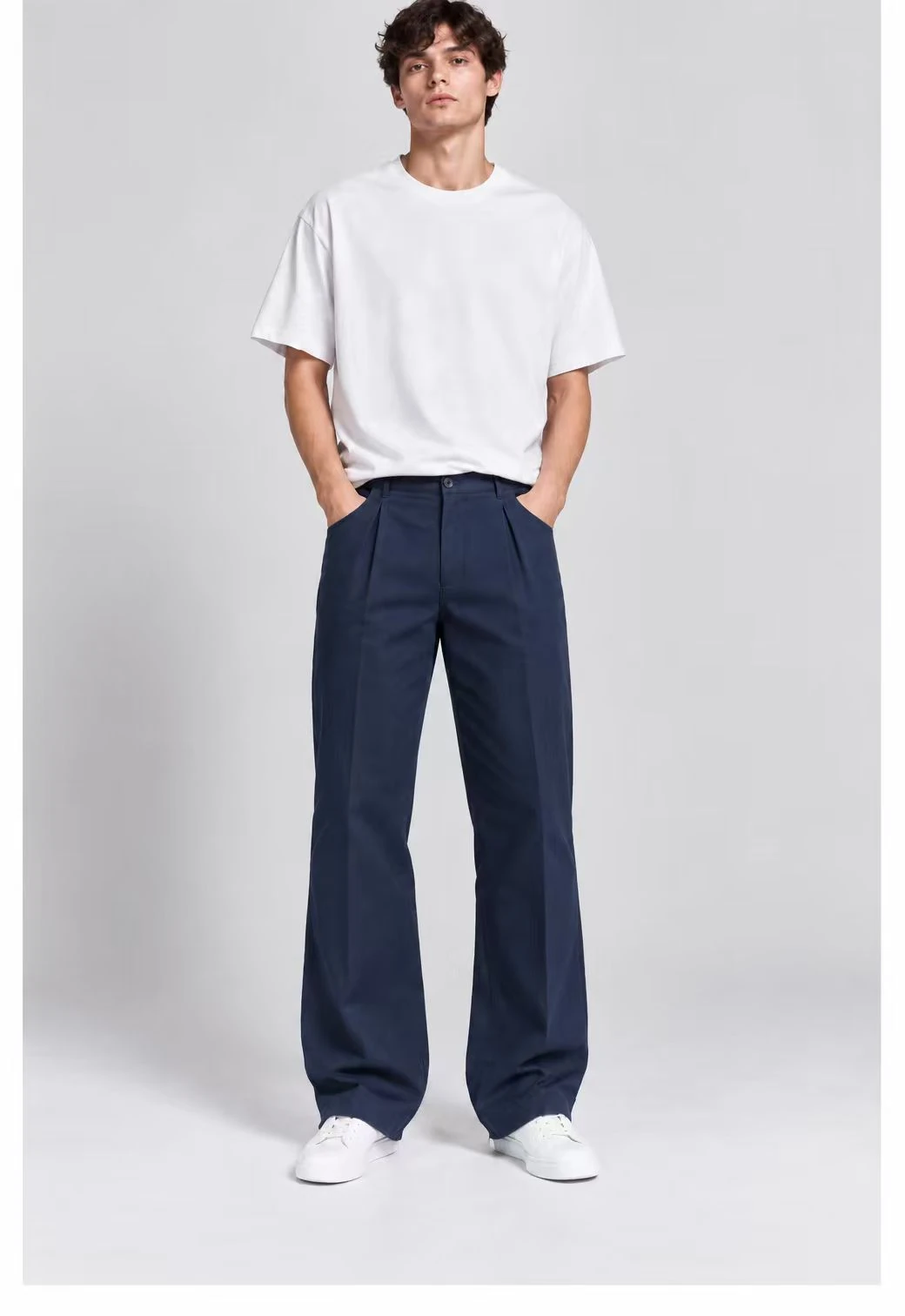
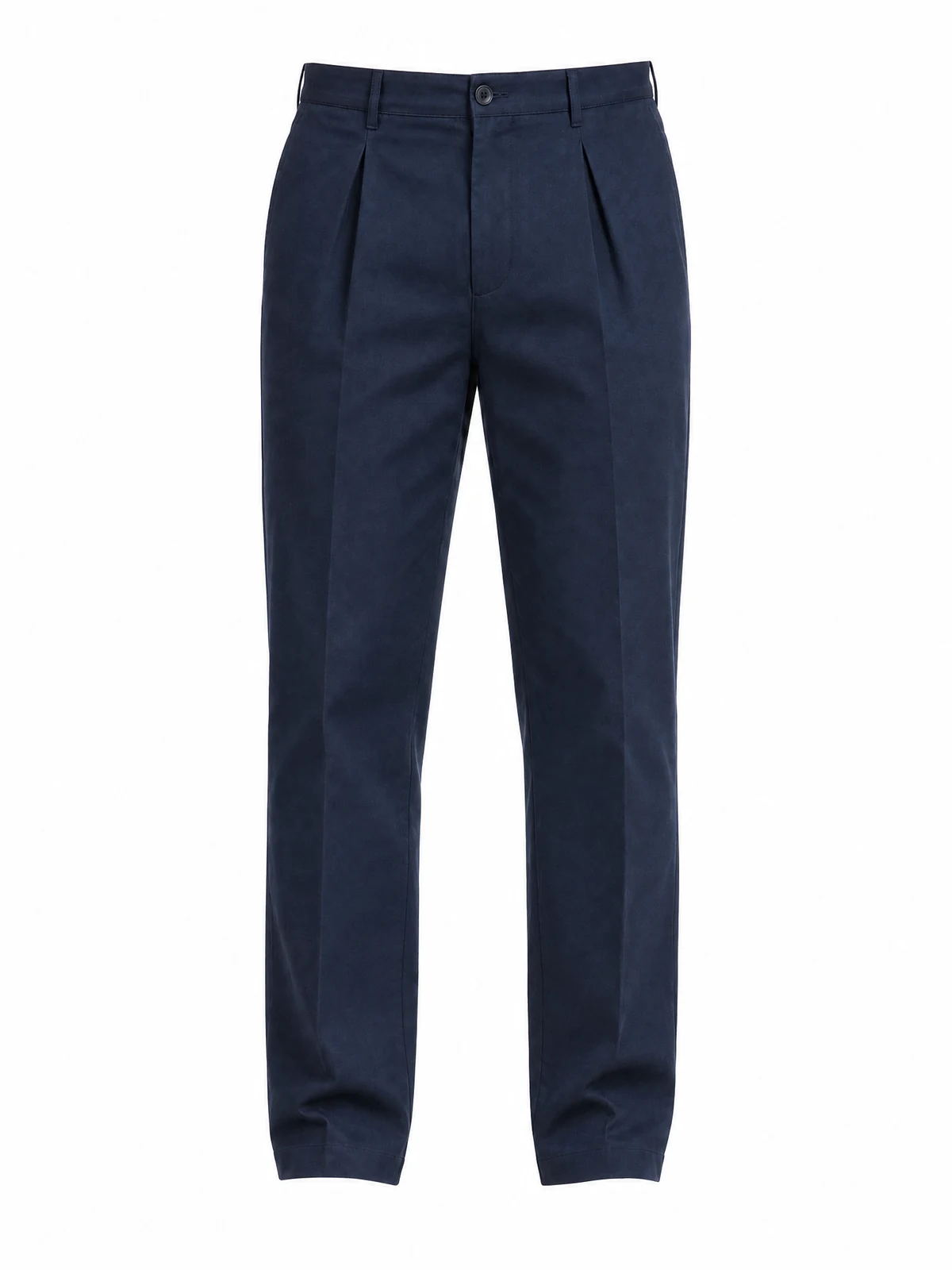
These custom pleated pants provide a reference for a private label trouser range. Confirm pleat depth, waist position and the front appearance with the selected fabric before approving the sample.
Design Details to Review
- Front pleat construction
- Belt-loop waist and button fastening
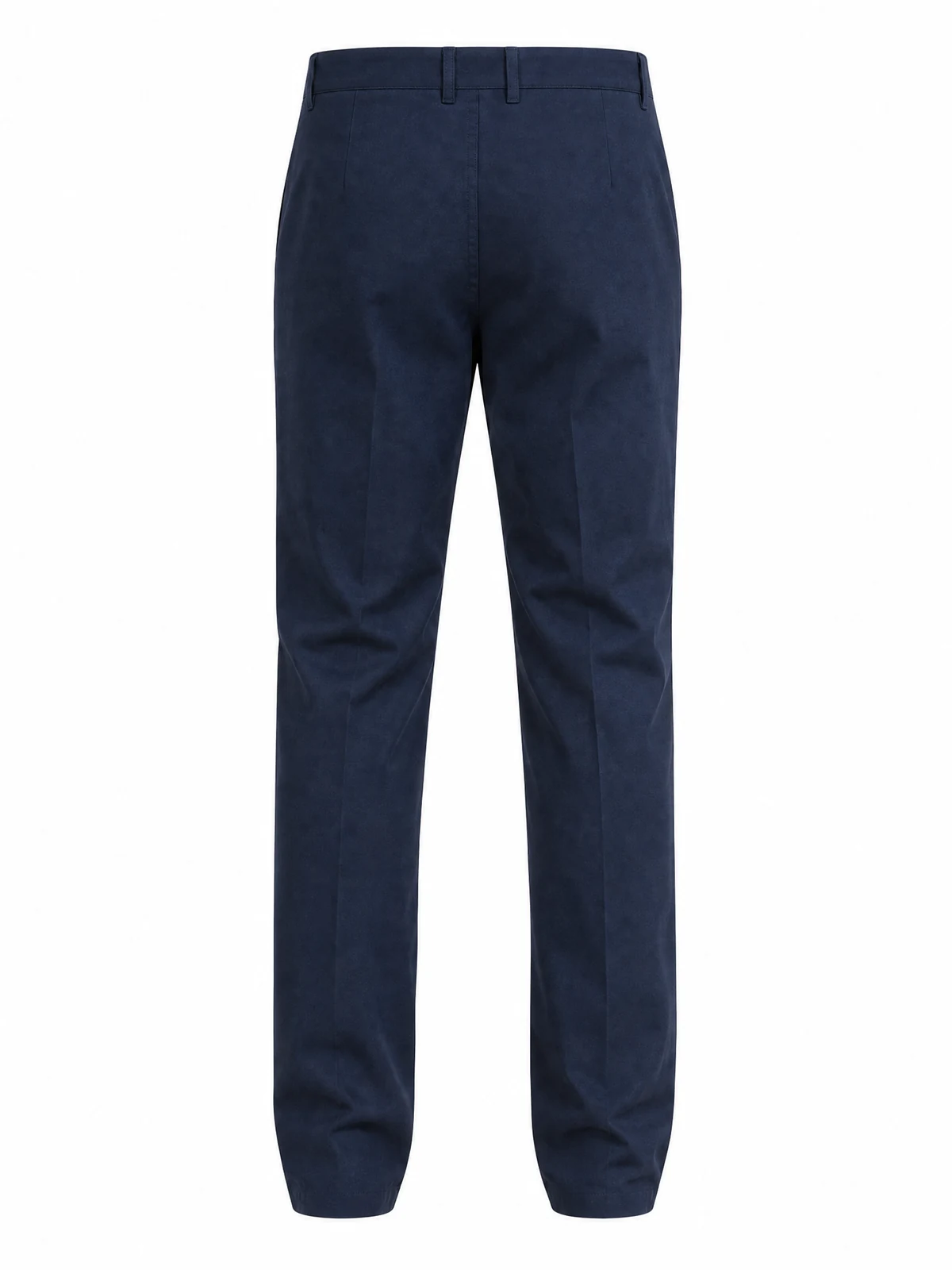
- Full-length leg with an open hem
- Pleat depth and leg opening to the approved specification
MOQ & Lead Time
- MOQ: 100 pieces per style per color; mixed sizes allowed.
- Material: Composition, fabric weight and finish confirmed on the approved sample.
- Sampling: 7–14 days after material, measurements and customization are confirmed.
- Bulk timing: 60 days after sample approval and production details are confirmed.
Product Description & Development Brief
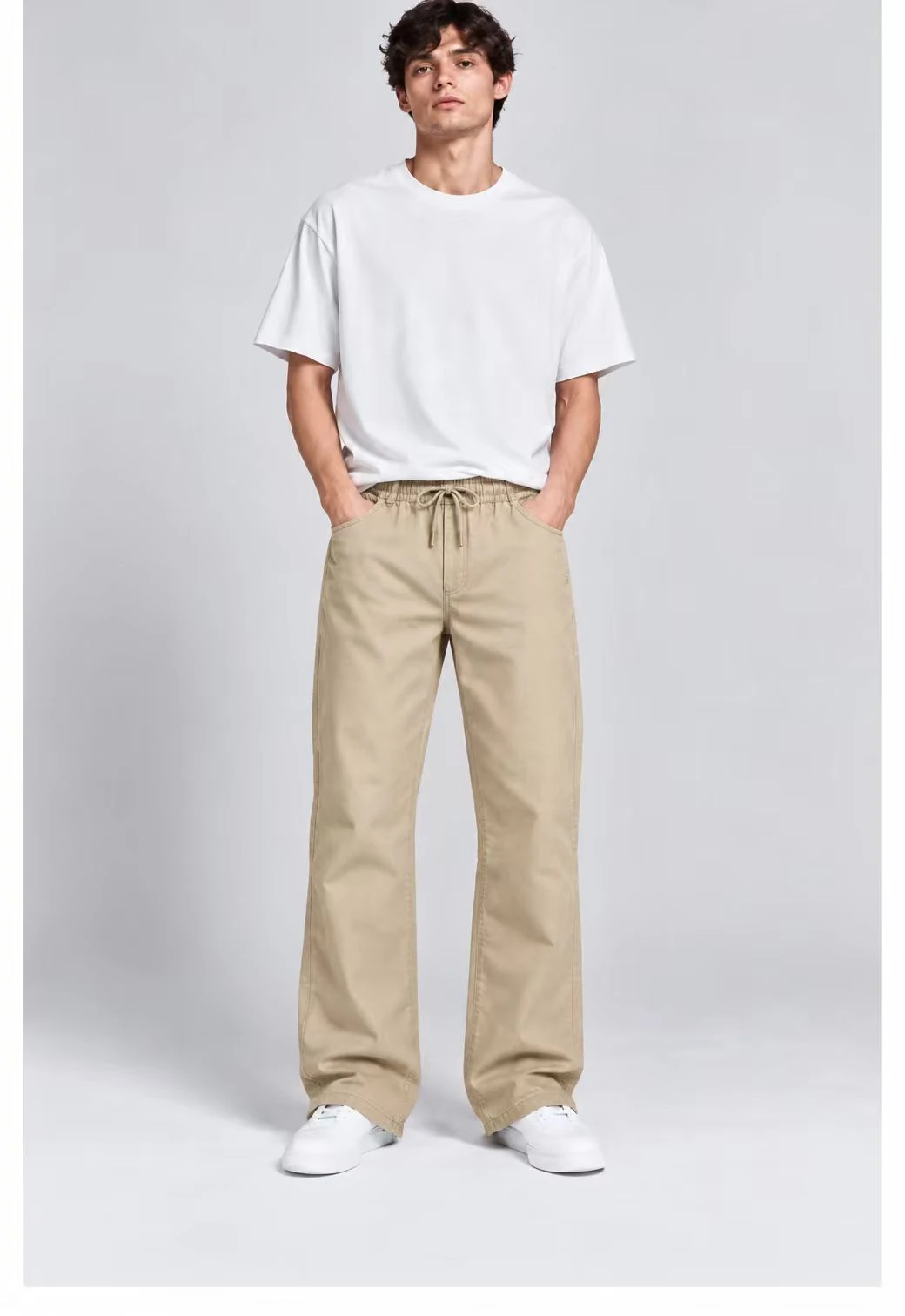
These images show a development reference. The material, measurements, construction and final shade are agreed for your project and checked on the approved sample. Browse the custom casual pants range to compare other starting directions.
For a wide-leg alternative, compare Wide-Leg Casual Trousers. If you need a flat-front chino direction, review Classic Straight Chino Pants and mark the differences to carry into your sample brief.
Pleated trousers: what to approve beyond the front photo
The defining choice on this pleated casual-pants reference is the front pleat, not simply the overall leg width. Pleat orientation, depth and the point where the fold releases all change how the trousers fall around the hip. A clean waistband can still produce a bulky front if the pleat is too deep or sits too close to the pocket opening.
| Buyer decision | Specify or check |
|---|---|
| Pleat orientation | Show inward or outward direction on a flat drawing and label both left and right sides. |
| Pleat depth and position | Give the fold depth and distance from the front opening or side seam; mark where the pleat releases. |
| Pressed or soft finish | Agree whether the pleat is permanently pressed in appearance or intended to relax in wear and laundering. |
| Pocket balance | Check pocket-opening flare and hip fullness while standing and sitting after the pleat is sewn. |
| Size grading | Define how the pleat and waist dimensions change across sizes without losing the intended silhouette. |
Review a sample from the front and three-quarter angle rather than judging the fold only on the flat table. Mark the approved pleat direction in the tech pack and confirm the fabric’s reaction to pressing. Buyers considering a different silhouette can compare the wide-leg trouser reference, which achieves volume without relying on pleat depth.
Questions buyers ask
Will every fabric hold a sharp pleat? No. Pleat appearance depends on fiber, finish and care, so approve it with the actual material and the intended maintenance instructions.
What usually causes a bulky pleated front? Deep folds, pocket-bag placement and excess hip ease can all contribute. Review these together instead of changing one measurement in isolation.
Sizing & Measurements
Provide the waist measurement method, front and back rise, hip, thigh, knee, inseam and hem opening. Identify the base size and size range, and mark the fit details to keep or change from the reference. For elasticated waists or cuffs, agree how the relaxed and extended measurements are taken. Use the tech pack preparation checklist to document these measurements and construction details.
Sample Approval & Quality Checks
Review the worn fit, pocket access, closure function and appearance after the agreed care process. Keep the measurement chart, selected materials and approved sample version together. Our sample development guide explains the approval sequence.
Fabric, Construction & Private Label Options
| Fabric | Confirm fiber composition, weight, construction and finish with the selected swatch. |
|---|---|
| Color | Supply the target color reference and approve the actual material shade. |
| Waist and closure | Specify the waistband construction, fastening and any drawcord or elastic components. |
| Pockets and seams | Mark pocket dimensions, placement, flap details and seam finishing on the tech pack. |
| Labels and packing | Agree brand labels, care and content text, hangtags, unit packing and carton assortment. |
Quotation Checklist & Next Steps
- Style CP-04, the reference images and your Keep / Change / Confirm notes.
- Selected material or swatch direction, color references and the measurement chart.
- Quantity by style, color and size; artwork, labels and packing requirements.
- Delivery destination, target timing and any required inspection or testing.
Use the clothing RFQ checklist to keep supplier quotations comparable. Review the OEM and ODM process for the broader production sequence.