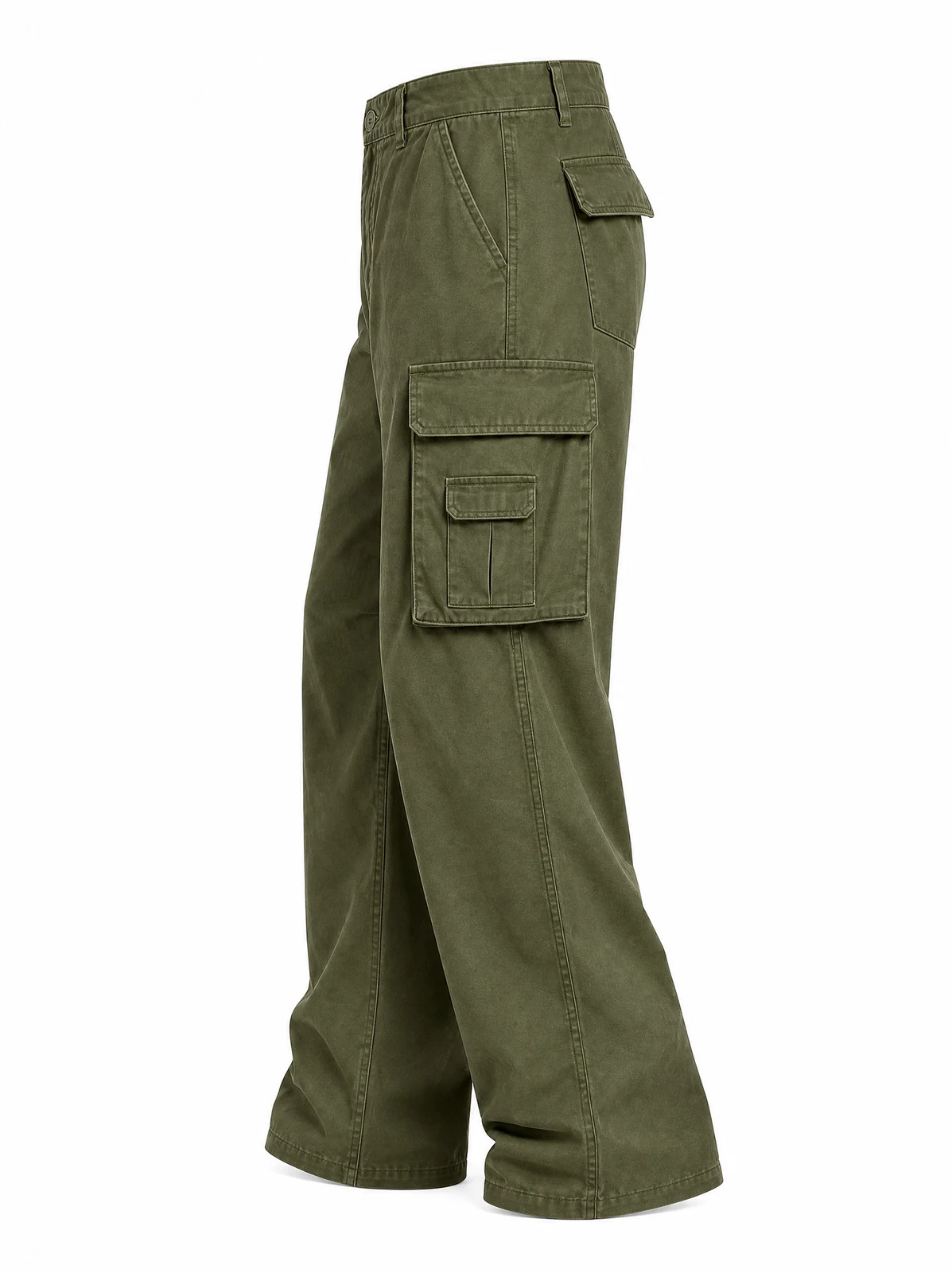
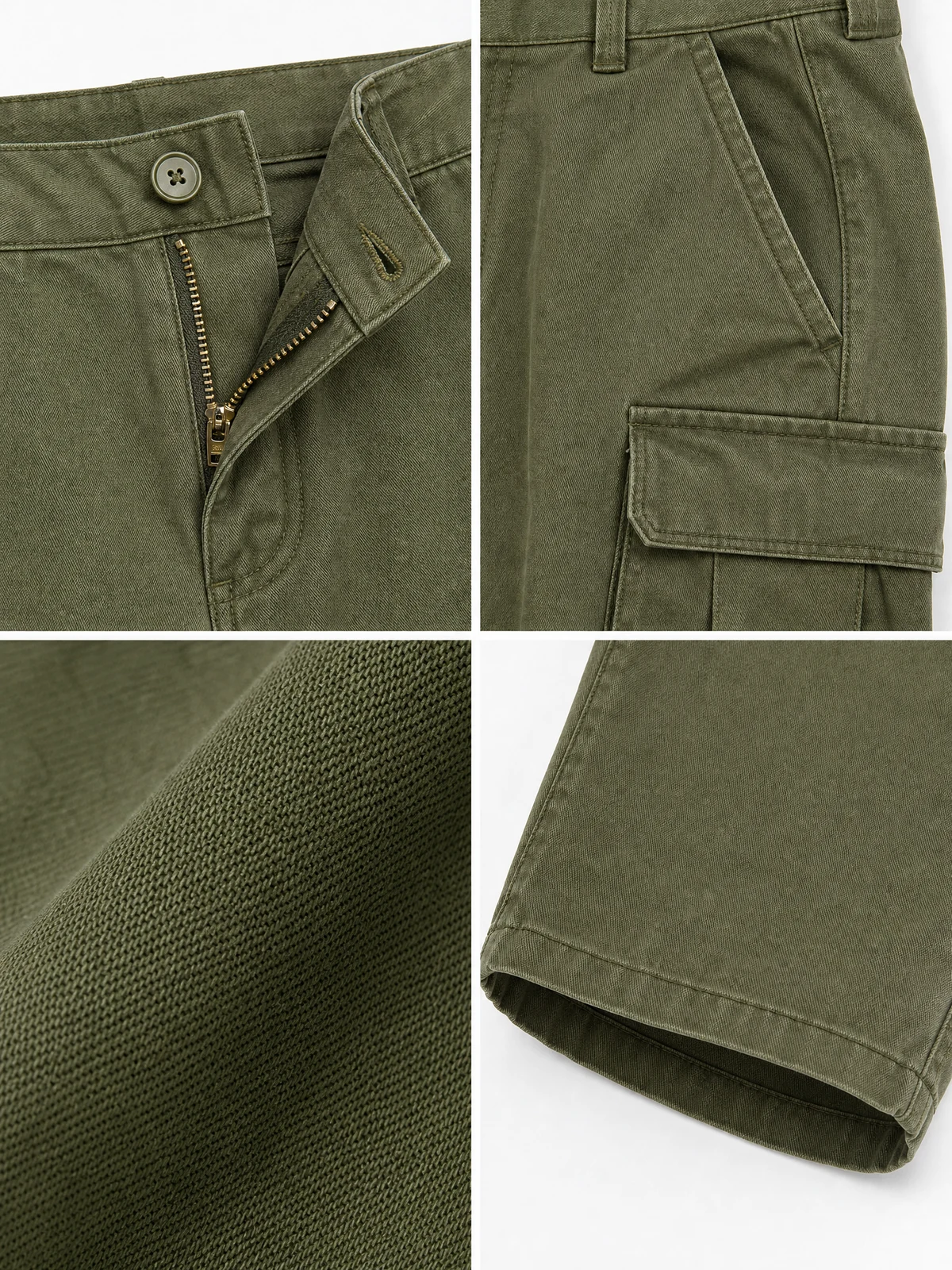
Custom Baggy Cargo Pants
Quick Overview
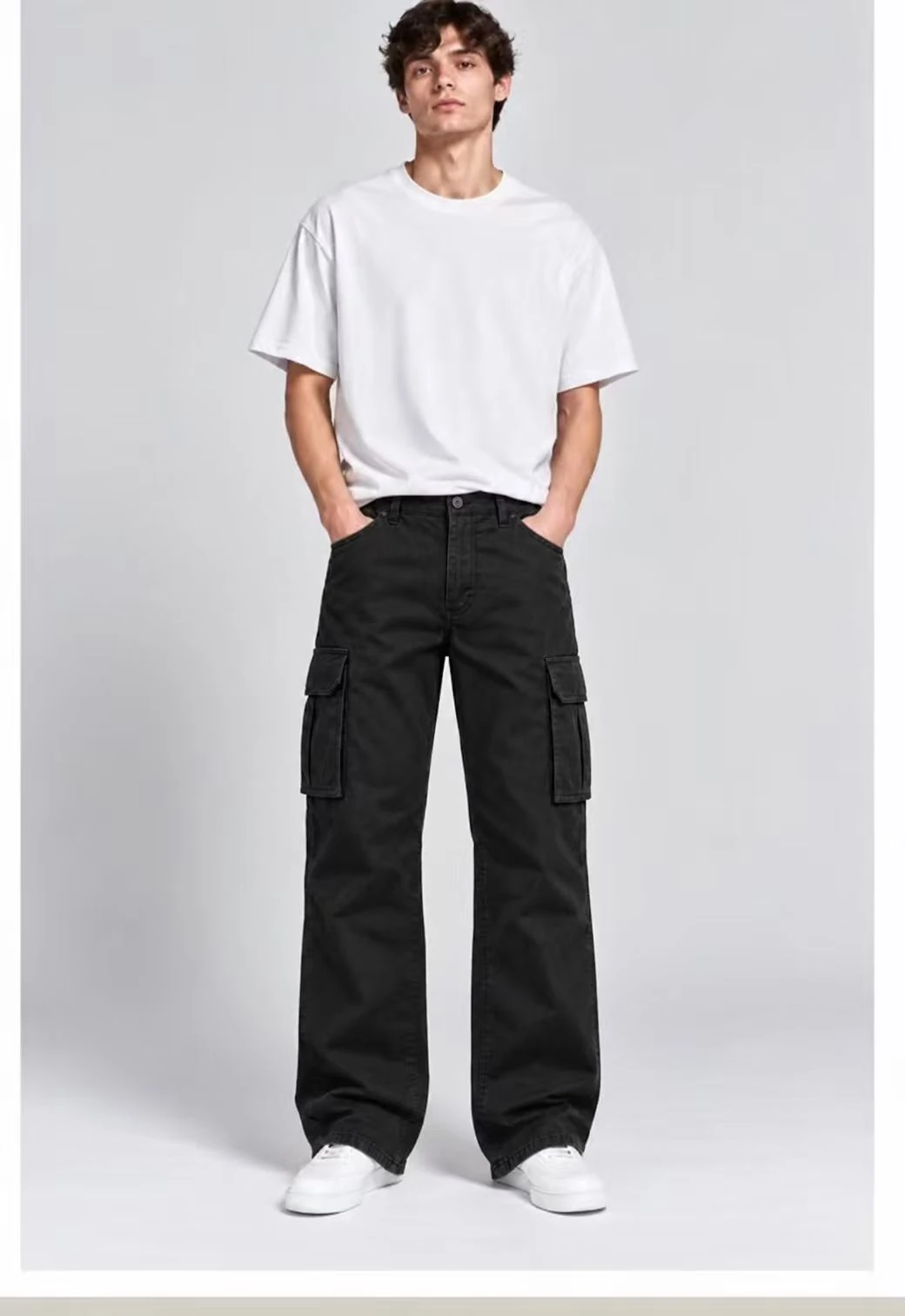
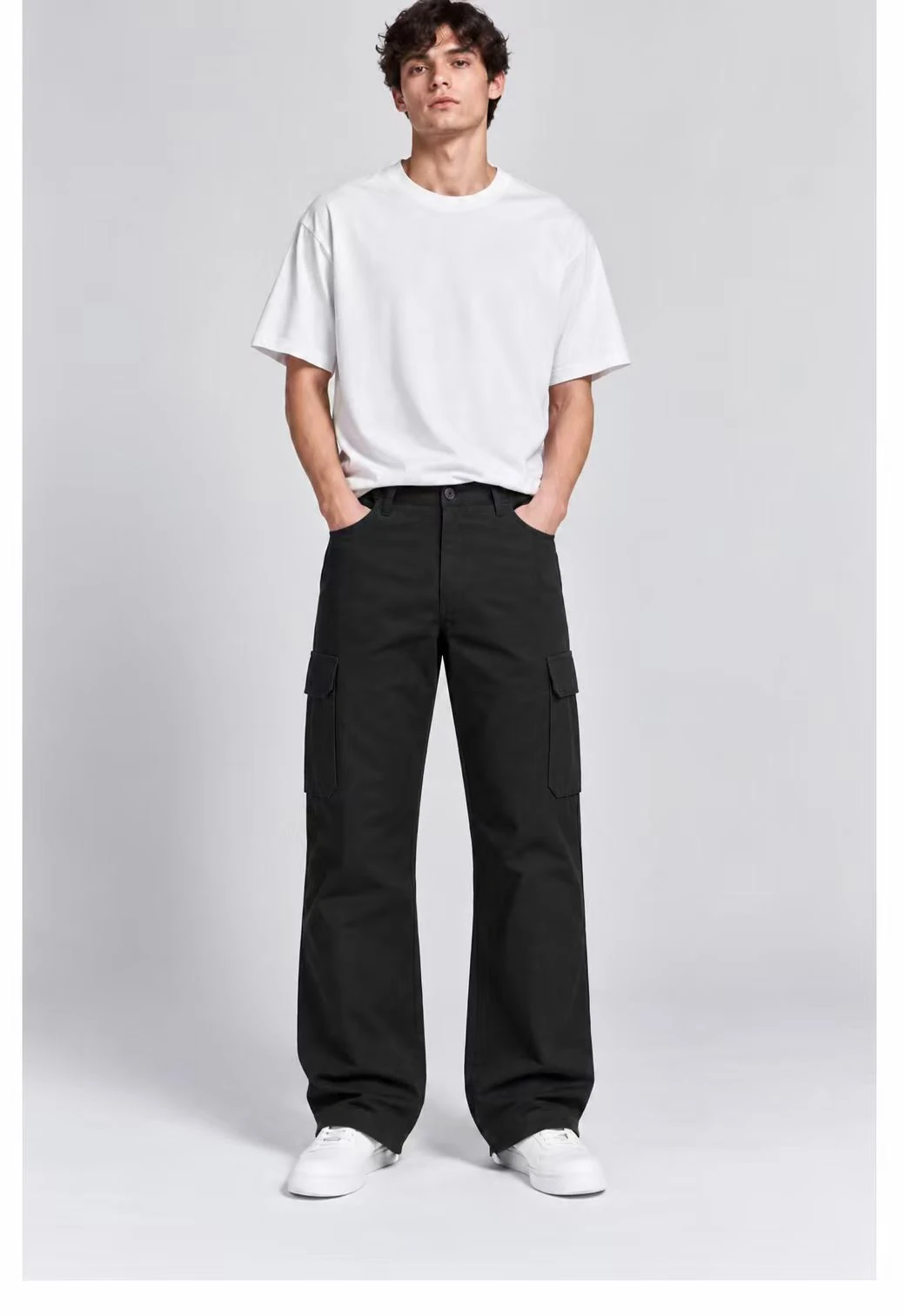
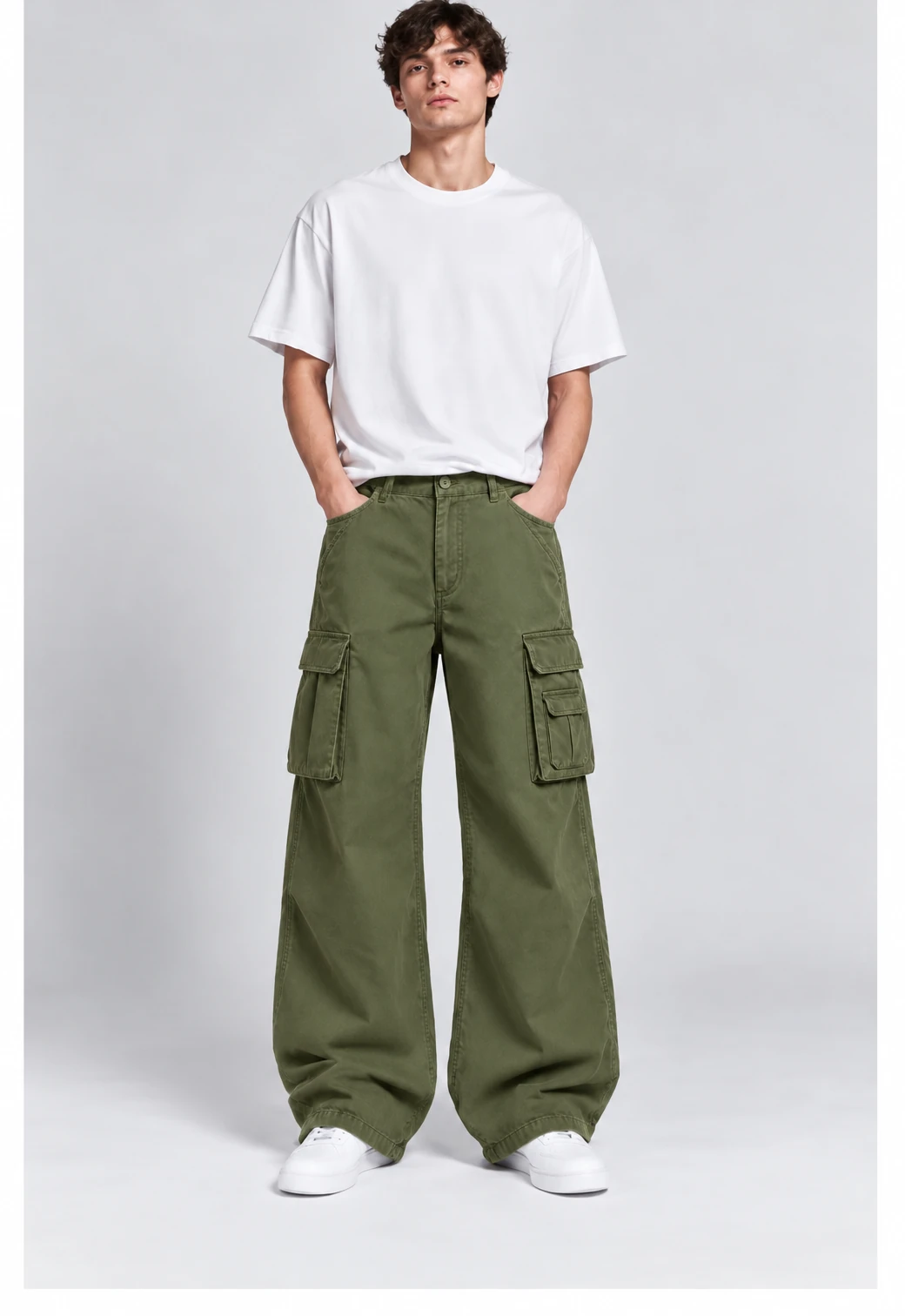
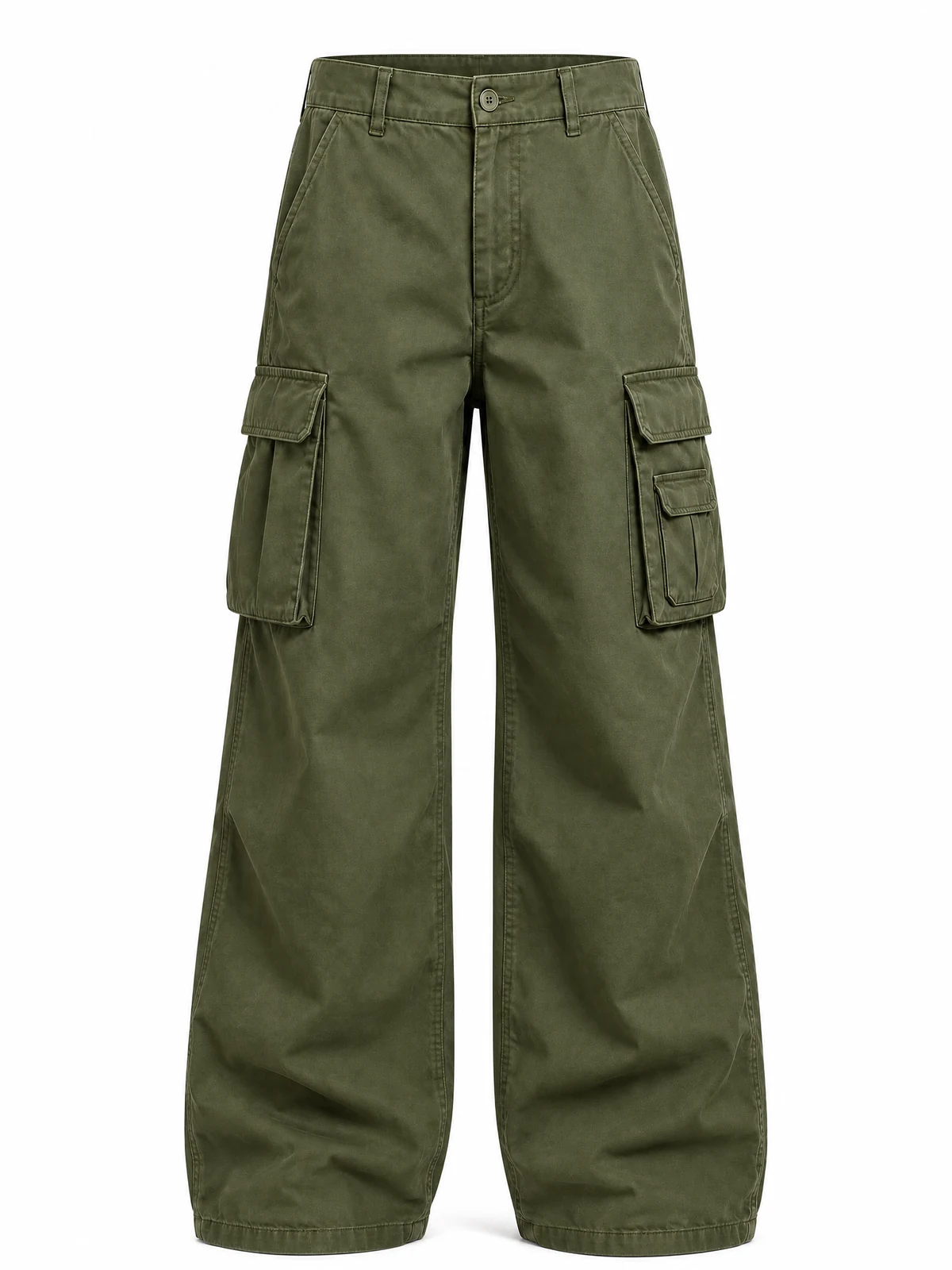
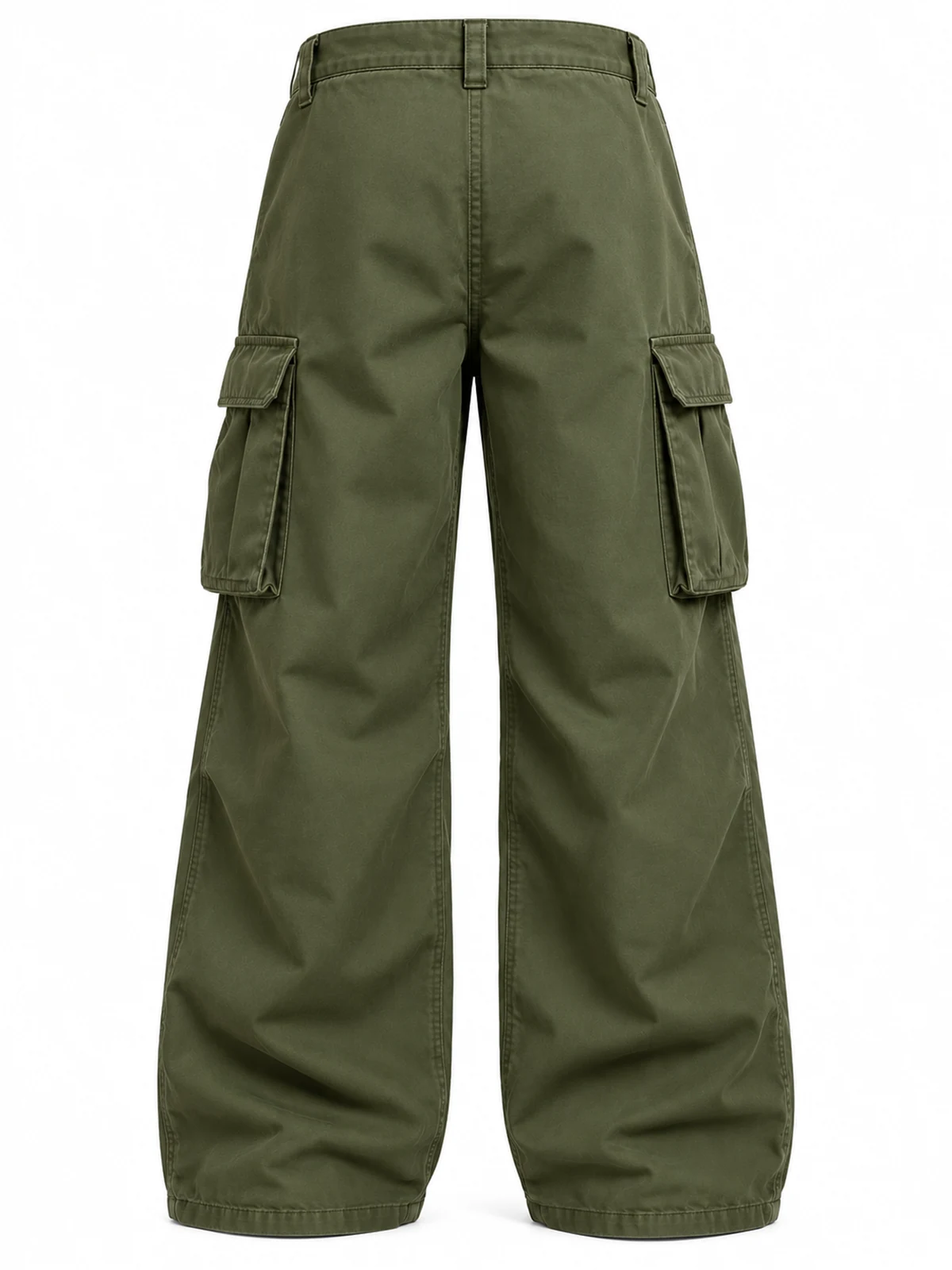
Develop custom baggy cargo pants for your streetwear brand using this wide-leg reference. Confirm the thigh volume, pocket arrangement and hem opening before approving your private label sample.
Design Details to Review
- Wide, relaxed leg silhouette
- Thigh cargo pockets and additional pocket detail
- Belt-loop waist with button fastening
- Full-length open hem
MOQ & Lead Time
- MOQ: 100 pieces per style per color; mixed sizes allowed.
- Material: Composition, fabric weight and finish confirmed on the approved sample.
- Sampling: 7–14 days after material, measurements and customization are confirmed.
- Bulk timing: 60 days after sample approval and production details are confirmed.
Product Description & Development Brief
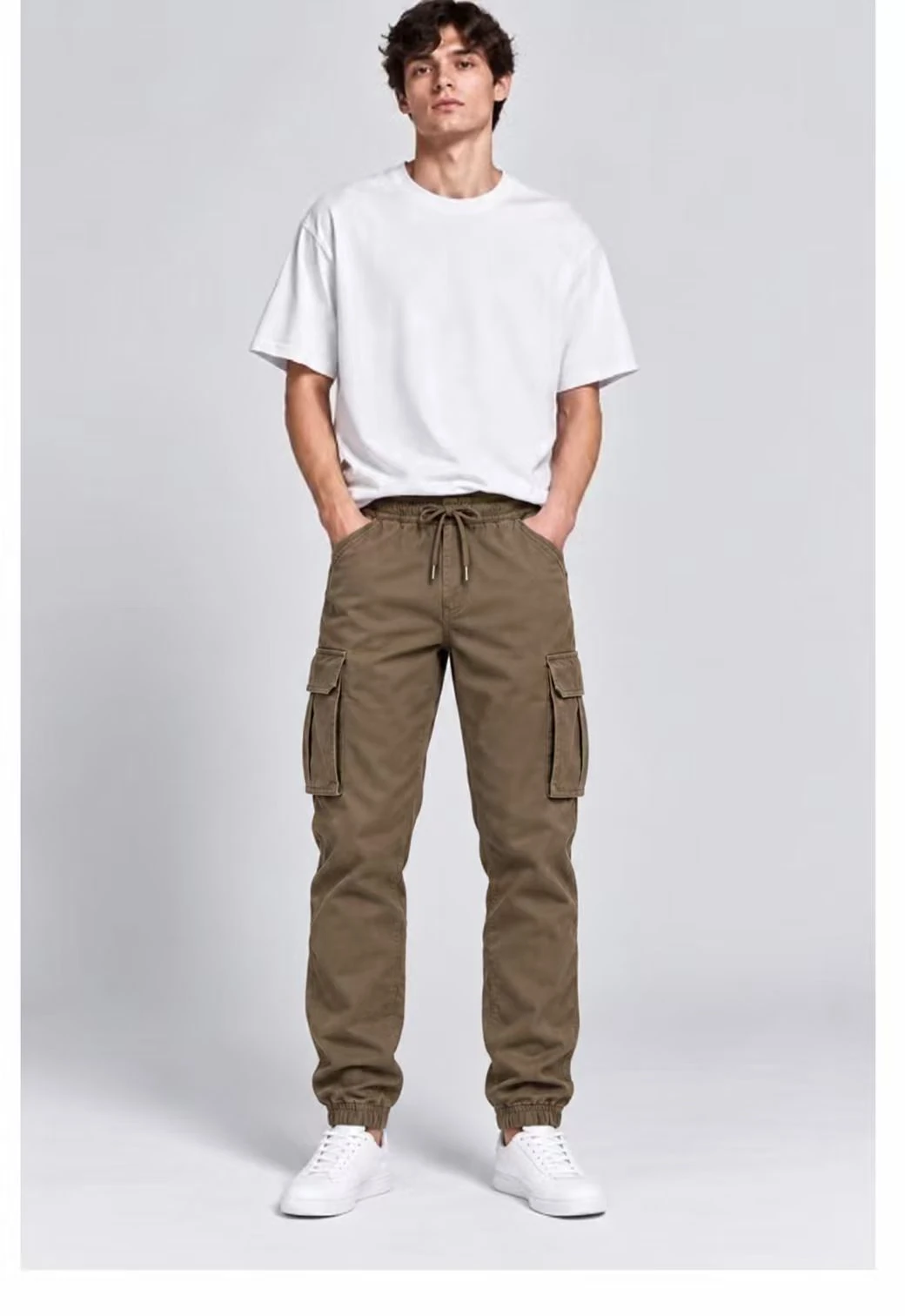
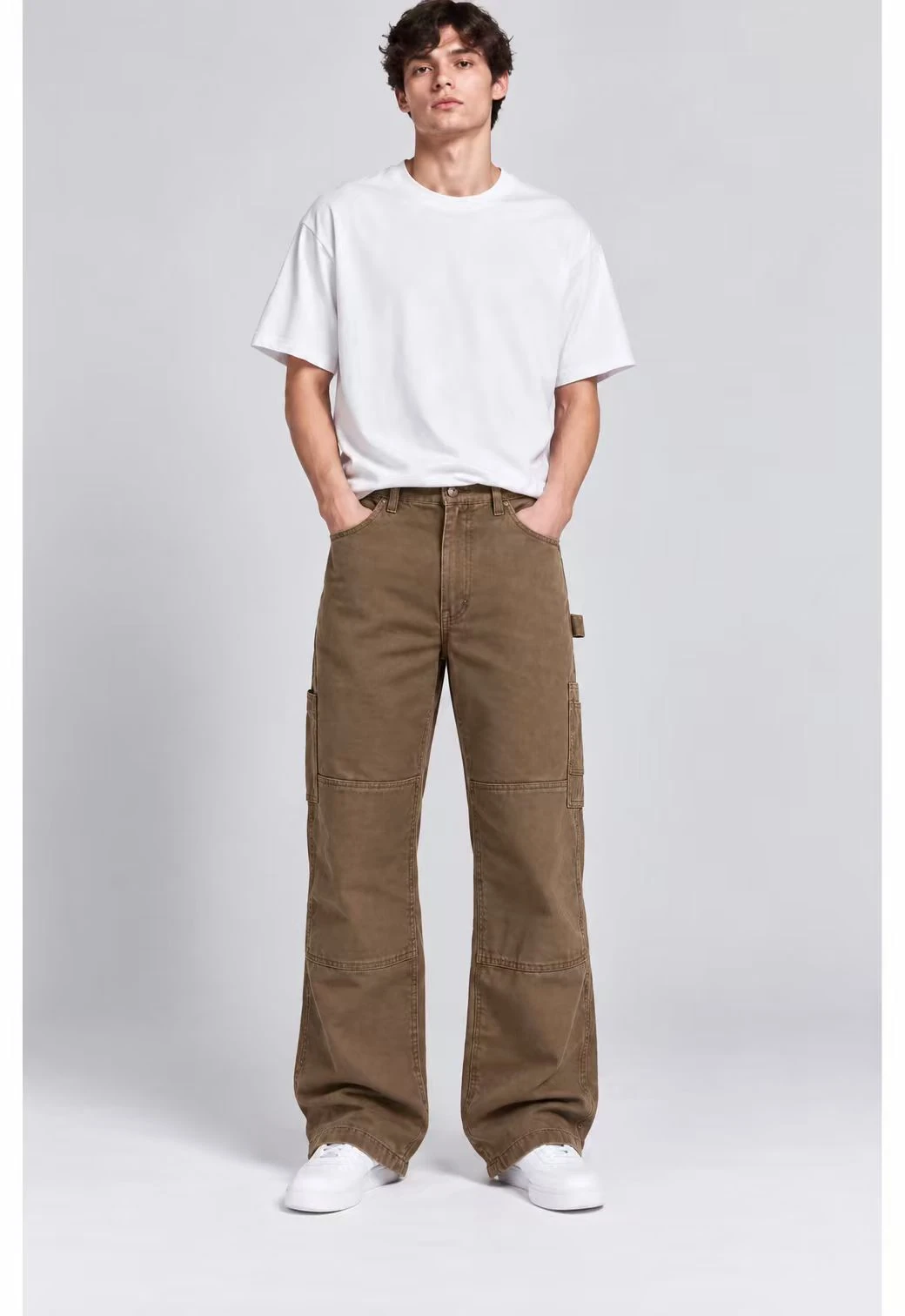
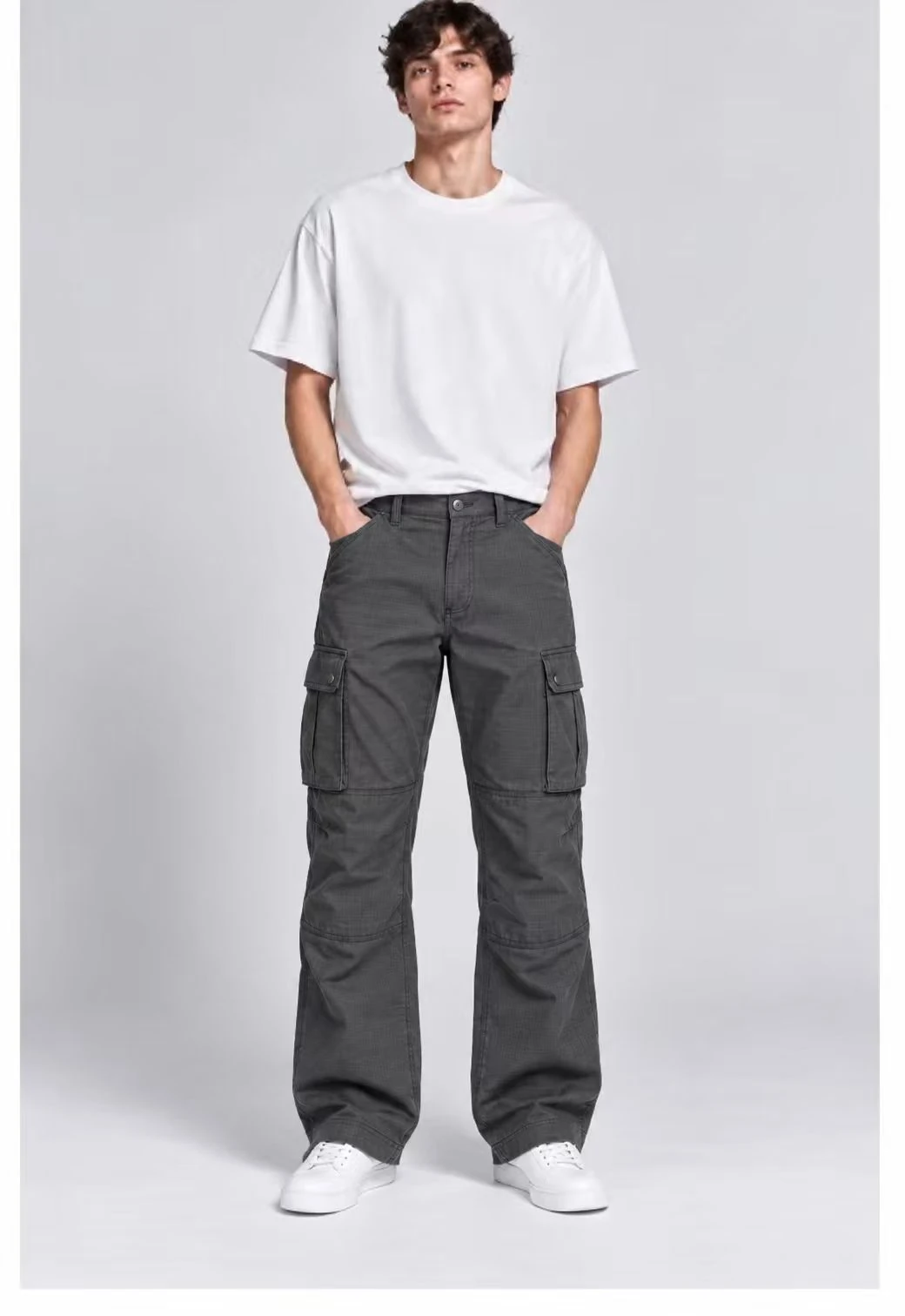
These images show a development reference. The material, measurements, construction and final shade are agreed for your project and checked on the approved sample. Browse the custom cargo pants range to compare other starting directions.
For a straighter cargo silhouette, compare Straight-Leg Multi-Pocket Cargo Pants. If you need a tapered, cuffed alternative, review Tapered Cargo Jogger Pants and mark the differences to carry into your sample brief.
Baggy cargo fit: make the volume intentional
A baggy cargo pant is not simply a larger size of straight-leg trousers. The silhouette comes from deliberate relationships between seat, rise, thigh, knee and hem. Added thigh-pocket volume changes that outline again. Buyers should approve a styled front and side view at the intended garment length so the drape looks purposeful instead of accidentally oversized.
| Buyer decision | Specify or check |
|---|---|
| Seat and rise | Decide where the trousers sit on the waist and specify hip ease, front rise and back rise accordingly. |
| Leg volume | Set thigh, knee and hem measurements for the intended baggy outline rather than sizing up all points equally. |
| Cargo pocket proportion | Mark flap size, pocket height and placement relative to the leg width; large pockets can overpower the silhouette. |
| Fabric weight and drape | Compare swatches for visual collapse, creasing and pocket support at the approved garment length. |
| Hem stacking | Agree how much fabric breaks or stacks over footwear and whether length options are needed by size. |
Use a consistent fit model and footwear when reviewing the first sample. A side-by-side view against the straight-leg cargo reference makes it easier to identify which measurements actually create the oversized effect. For dense dyed fabrics, discuss rubbing-color transfer risks where relevant; ISO 105-X12 covers dry and wet rubbing assessment, with no result presumed here.
Questions buyers ask
Should I just order one size up? No. That also shifts waistband, rise and pocket position. Create a dedicated baggy pattern and size chart.
Which sample view matters most? Besides the front, the profile and walking view reveal leg break and how loaded pocket volume affects the outline.
Sizing & Measurements
Provide the waist measurement method, front and back rise, hip, thigh, knee, inseam and hem opening. Identify the base size and size range, and mark the fit details to keep or change from the reference. For elasticated waists or cuffs, agree how the relaxed and extended measurements are taken. Use the tech pack preparation checklist to document these measurements and construction details.
Sample Approval & Quality Checks
Review the worn fit, pocket access, closure function and appearance after the agreed care process. Keep the measurement chart, selected materials and approved sample version together. Our sample development guide explains the approval sequence.
Fabric, Construction & Private Label Options
| Fabric | Confirm fiber composition, weight, construction and finish with the selected swatch. |
|---|---|
| Color | Supply the target color reference and approve the actual material shade. |
| Waist and closure | Specify the waistband construction, fastening and any drawcord or elastic components. |
| Pockets and seams | Mark pocket dimensions, placement, flap details and seam finishing on the tech pack. |
| Labels and packing | Agree brand labels, care and content text, hangtags, unit packing and carton assortment. |
Quotation Checklist & Next Steps
- Style CG-02, the reference images and your Keep / Change / Confirm notes.
- Selected material or swatch direction, color references and the measurement chart.
- Quantity by style, color and size; artwork, labels and packing requirements.
- Delivery destination, target timing and any required inspection or testing.
Use the clothing RFQ checklist to keep supplier quotations comparable. Review the OEM and ODM process for the broader production sequence.