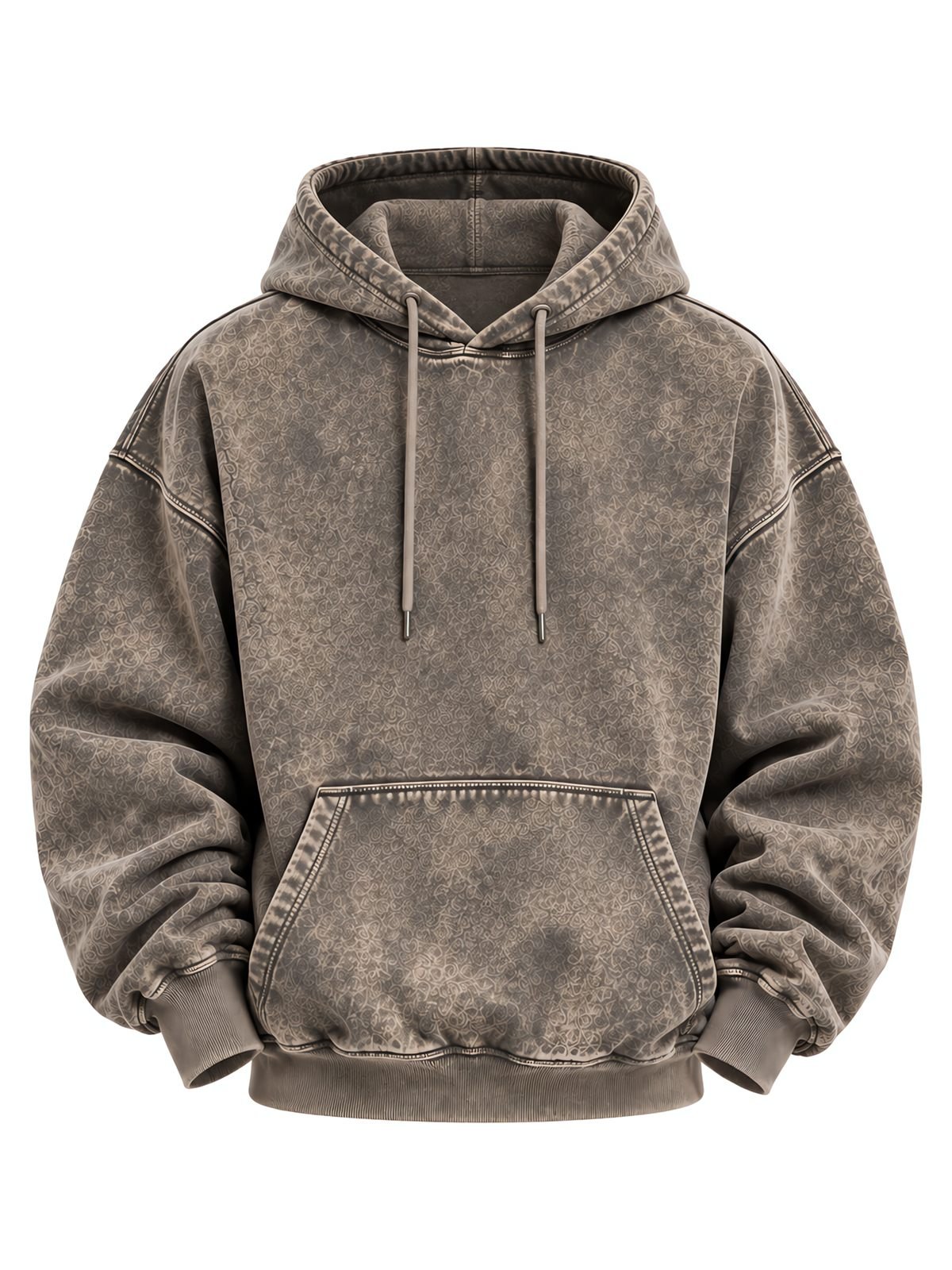
Approve a washed hoodie with a physical shade reference, an agreed range, and photos of where the effect should appear. Compare the body, cuffs, pocket edges, and hood lining under the same lighting. Record the planned care checks and which appearance changes need another sample or the buyer’s approval. Use the hoodie manufacturing guide for the accompanying pattern, fabric, and sample brief.
Show the supplier the kind of fade you want
A reference photo can identify the general appearance. Point out whether the color should fade evenly, vary in patches, or change near seams and folded areas. Specify the areas where you want the effect and any contrasting parts to preserve. Ask the supplier to identify which proposed finish and base fabric the sample represents. CottonWorks describes different garment finishing operations.
Approve a physical shade range
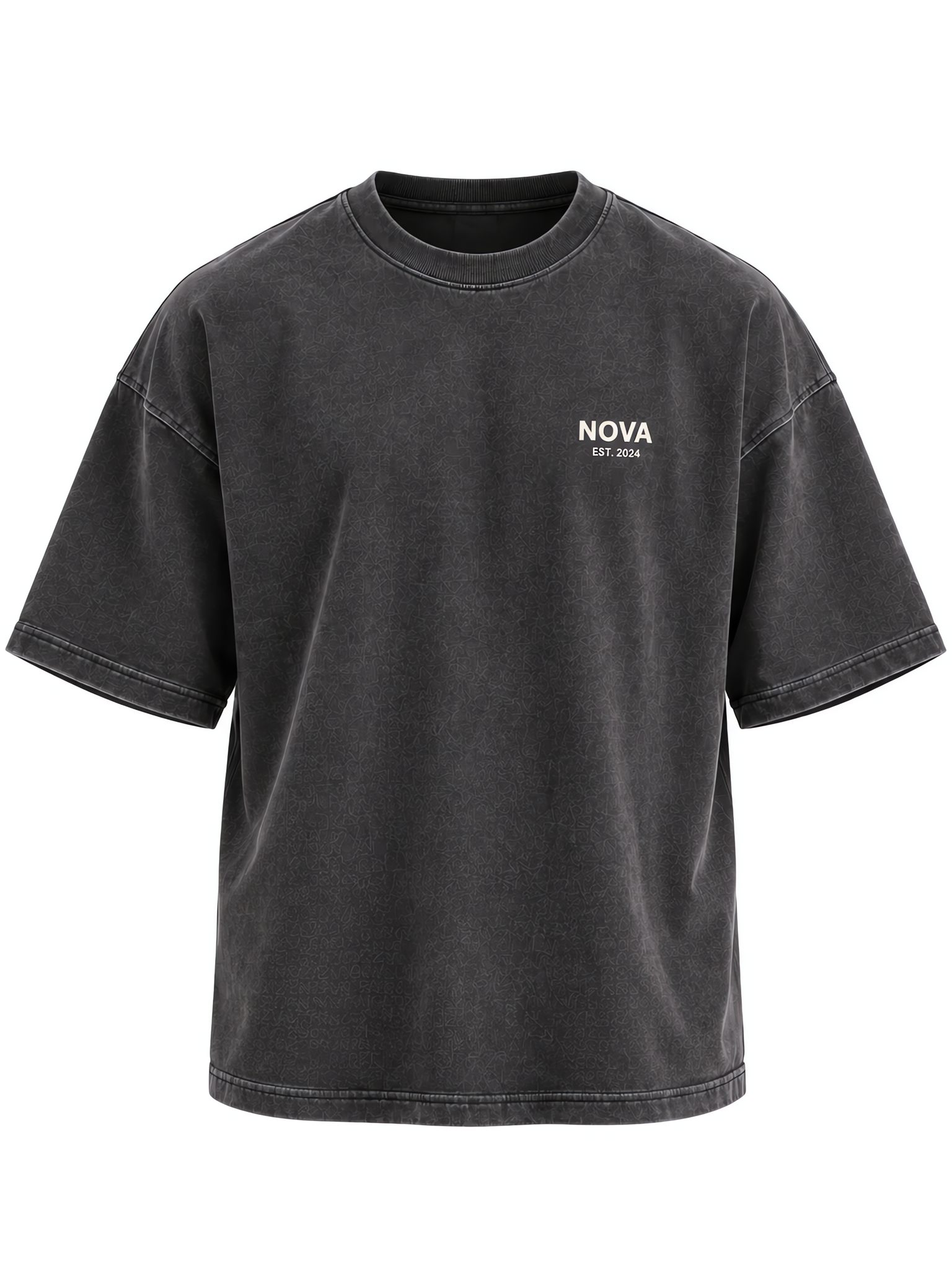
Put the acceptable light and dark references beside the target and check them in the agreed viewing conditions. Compare the approved range with the actual sewn panels, especially near rib and pocket edges. NOVITA’s washed pullover provides a faded-finish reference with a kangaroo pocket, while the acid-wash hoodie provides an example of a mottled appearance with ribbed cuffs. The two looks call for different visual notes.
| Zone | What to mark on the reference |
|---|---|
| Body panels | Shade range and where variation is acceptable |
| Edges and seams | Placement and amount of contrast |
| Ribs and lining | Color relationship with the outer body |
| Artwork and labels | Expected look after the agreed finish sequence |
Pick your intended body from the hoodie and sweatshirt assortment and mark where variation should be visible.
Check transfer and appearance after the agreed care
Confirm whether transfer, wash change or both matter for the intended use. AATCC TM8 covers color transfer by rubbing, while AATCC TM61 addresses accelerated laundering colorfastness, as of November 2026. Agree with the supplier or testing lab which methods and conditions apply. Keep appearance assessment and test results as separate records.
Check the reference and proposed sample as whole garments. Look at the pocket opening, rib edges, hood lining and decoration. If care changes a specific zone, identify it on the photo so the sample team can find it again.
Keep the finish trial and shade comparison consistent
Ask the supplier which combination of base cloth, color, and finish the sample represents. Different lots or a dye change can affect how a finish appears. Store a face and a close-up against each approved physical shade. View the front and a shaded side in the same light before comparing where fading is visible. Note which edges are meant to show greater contrast and where a stronger fade would fail the expected appearance.
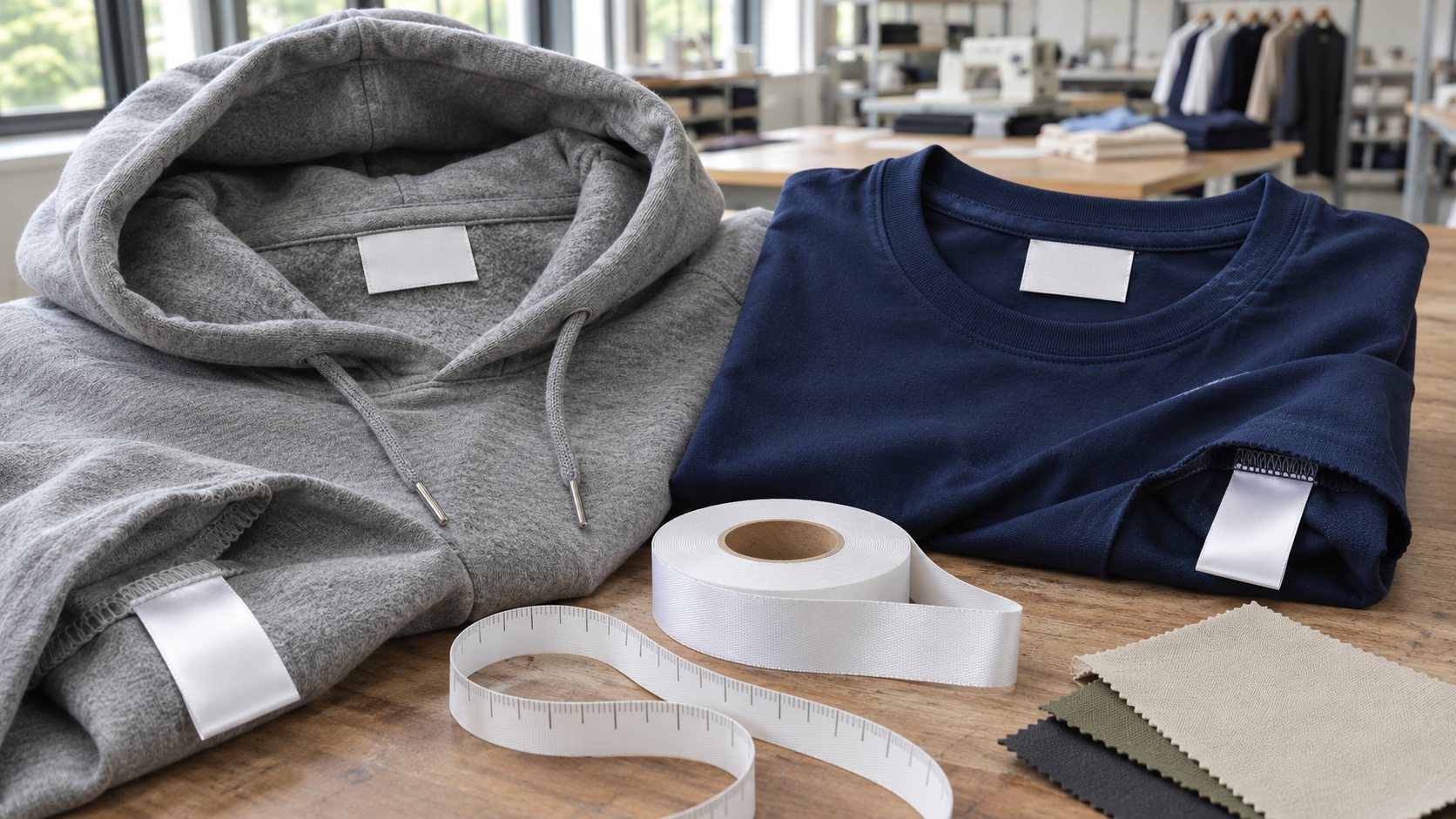
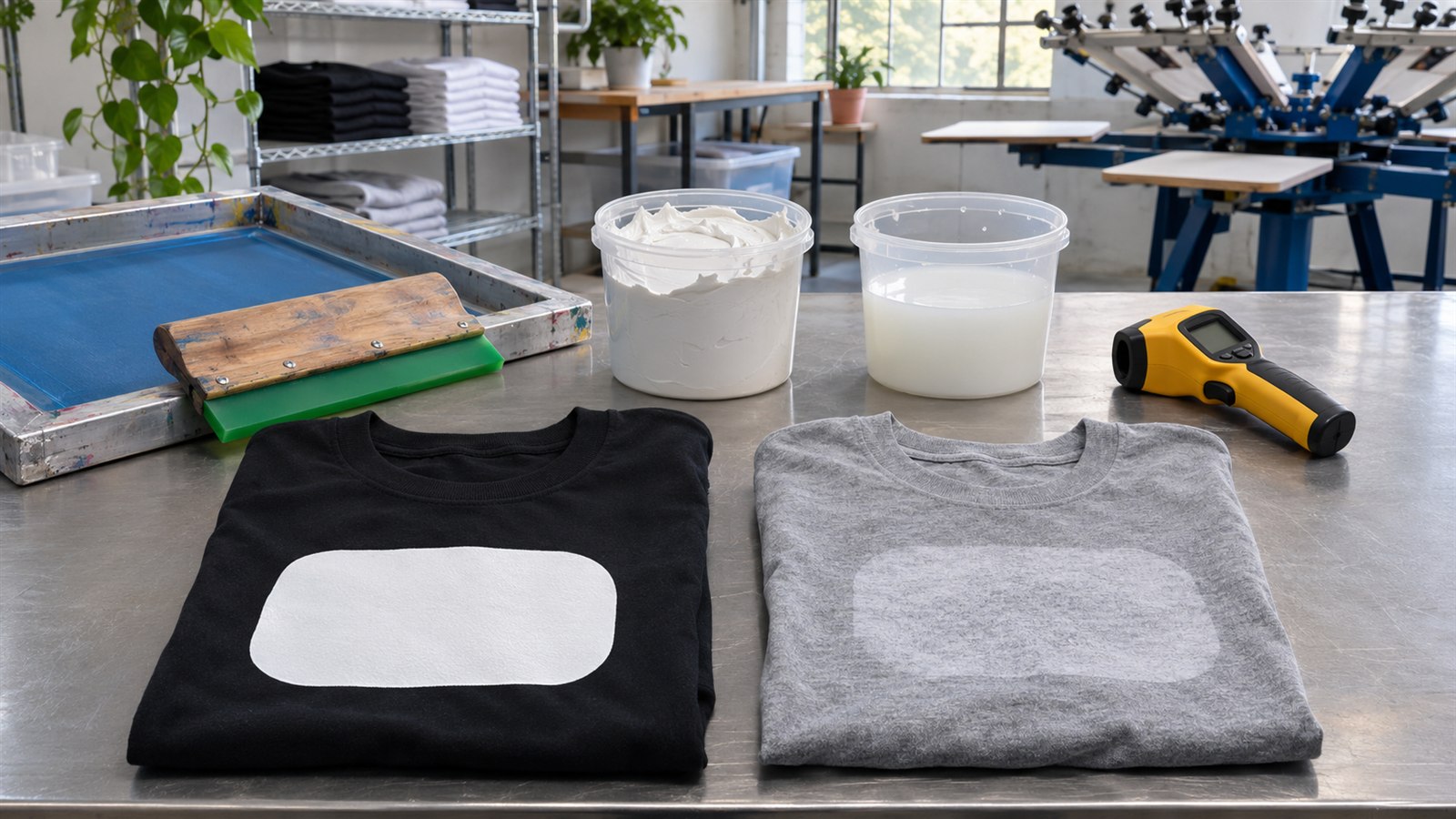
Confirm whether labels, printed artwork or lining were on the garment during the finish trial. These components can affect the visual result at the seam or edge, so assess the final assembled state. To retest a changed recipe or base fabric, compare the affected zones on a new sample and check the documented care and transfer results.
Write the approval in a way bulk production can follow
File the body fabric and shade references, finish description, artwork timing, photos and approved garment version together. Mark what variation the buyer will accept and how to handle pieces outside the range. If fabric, rib or finish changes materially, require a new comparison at the affected zones before releasing the revised specification.
Add the approved fade samples and viewing conditions to the tech pack preparation checklist.
Share a washed hoodie shade range with NOVITA with an approved sample and the desired fade zones.