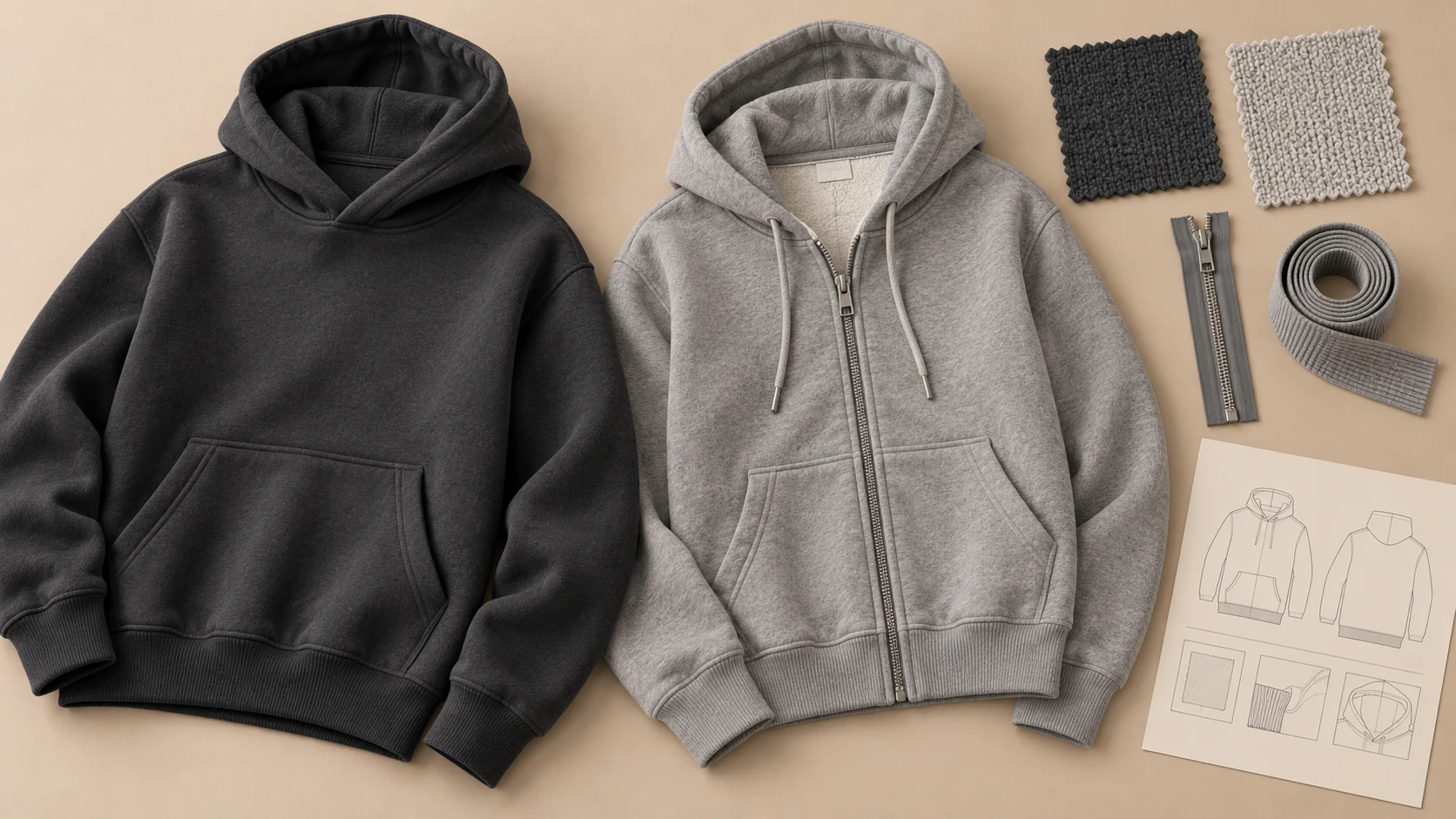
A hoodie manufacturer needs a clear brief on fabric, fit, construction and branding to review your order. Compare suppliers on the materials and sample work they can provide, the applicable MOQ and the scope of their quotation.
A hoodie specification needs more than a body measurement and a fabric name. The hood, pockets and rib affect fit and appearance, while zips, drawcords and labels add requirements the supplier must price.
Use this guide to choose a hoodie style, review the fabric and construction, and prepare the details a manufacturer needs for sampling and a quotation.
How to Choose a Hoodie Manufacturer
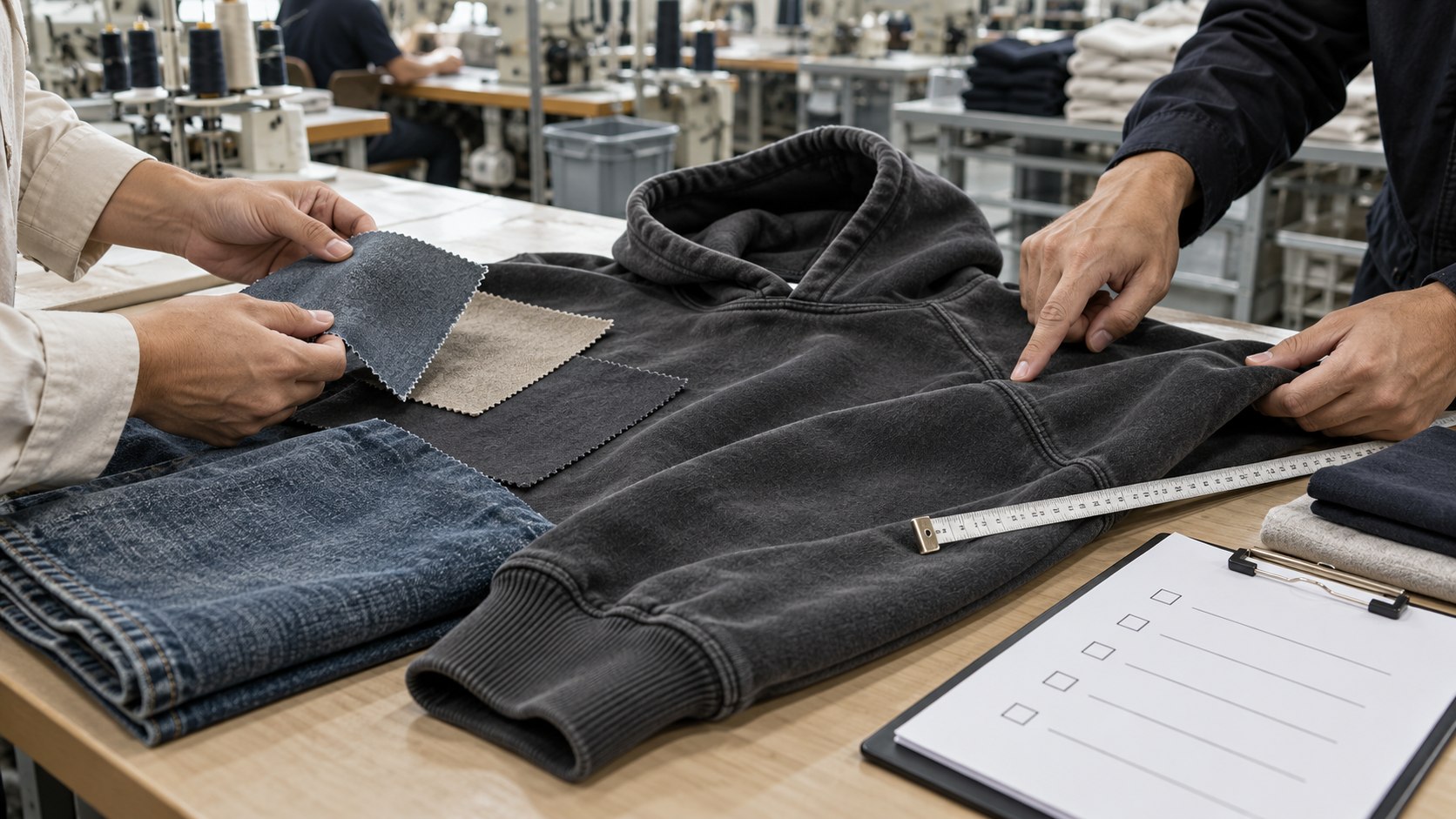
Supplier selection should be based on verifiable capability rather than marketing claims. When you compare hoodie manufacturers, these are the areas that decide whether a programme runs smoothly.
- Product development capability. Can the factory develop a style from a reference garment, a sketch or a picture, or does it only sew a pattern you must supply complete? The second model is workable for experienced buyers and a bottleneck for everyone else.
- Sampling process. How long a first sample takes, whether the factory offers revision rounds, and whether it flags likely production issues at the sample stage rather than after bulk.
- MOQ. Whether the minimum is stated per style, per colour or per order, and whether mixed sizes are accepted within it.
- Quality control. What the inspection covers, measurements, stitching, trims, decoration placement, packing, and at which points in production it happens.
- Communication. Whether you get one consistent contact who owns your order, and whether specifications are confirmed in writing before production starts.
- Finishing scope. Whether decoration, washing and labelling are handled in-house or subcontracted, so that responsibilities, scheduling and approval records remain clear across the production route.
Ask each supplier to explain how it would produce your style at the proposed quantity and meet the required deadline. Keep those answers with the quotation.
Common Hoodie Styles Buyers Source
Most hoodie programmes start from one of four blocks. Knowing which one you are developing tells the factory what pattern work, trims and finishing to cost, and it tells you which commercial risks you are taking on.
Pullover Hoodies
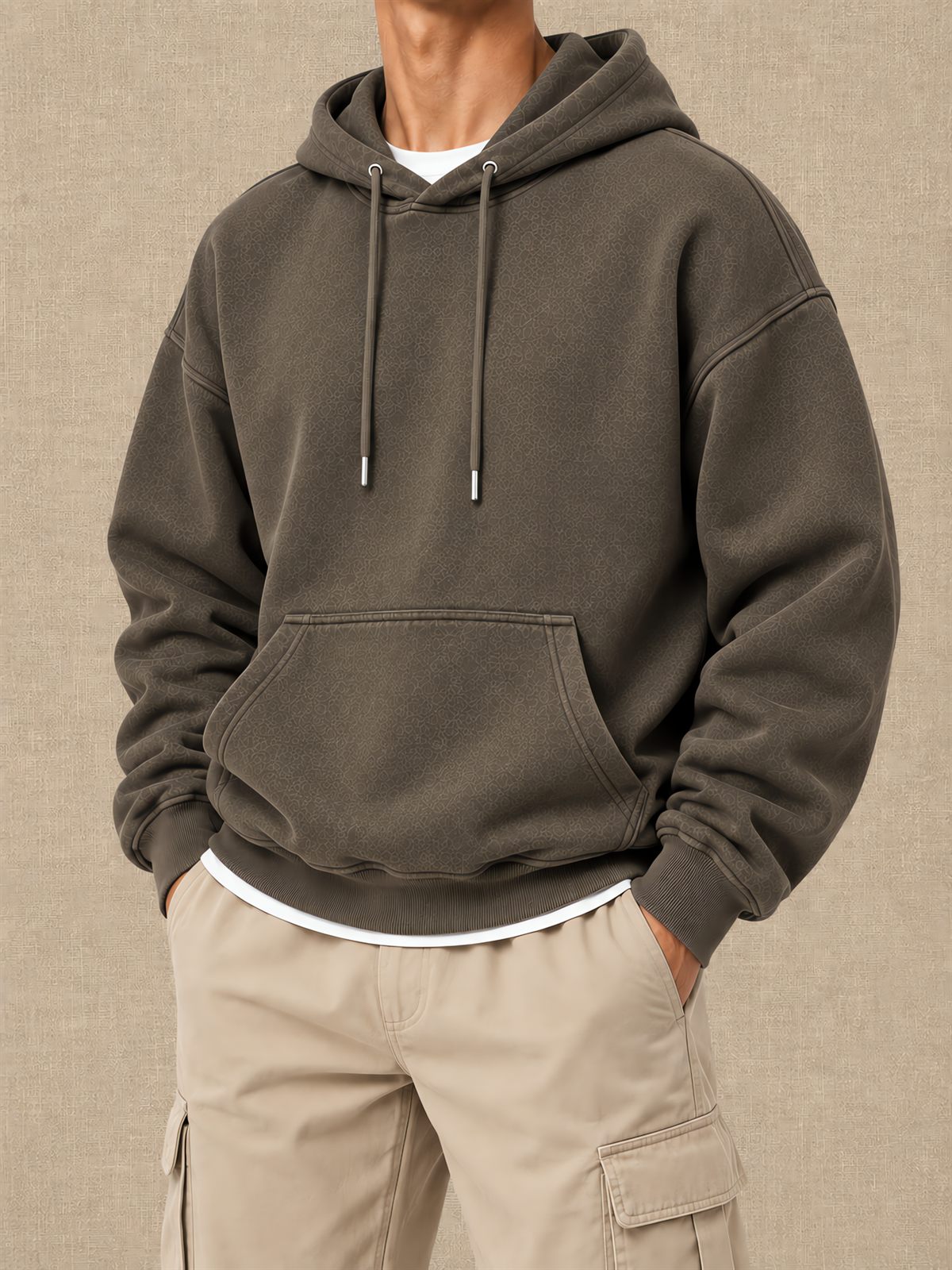
A closed-front body with a hood, and usually a kangaroo pouch. A pullover’s hardware and fabric requirements depend on the chosen hood, pocket and trim package. Review the body material against the intended hand feel. Colour, surface finish and rib weight decide how the garment sits on the body.
If the brief calls for a softened or faded finish, compare the washed pullover hoodie as a design reference. Specify the target wash appearance alongside the approved fabric, rib and garment measurements instead of treating “washed” as a complete production instruction.
Specify the intended body and sleeve proportions, whether the style is regular or oversized. An oversized hoodie uses a dropped shoulder and a wider body, which changes the pattern and the fabric consumption per unit. Blank pullovers sit at the other end of the range, produced plain, in your colour, ready for your own branding later.
Zip-Up Hoodies
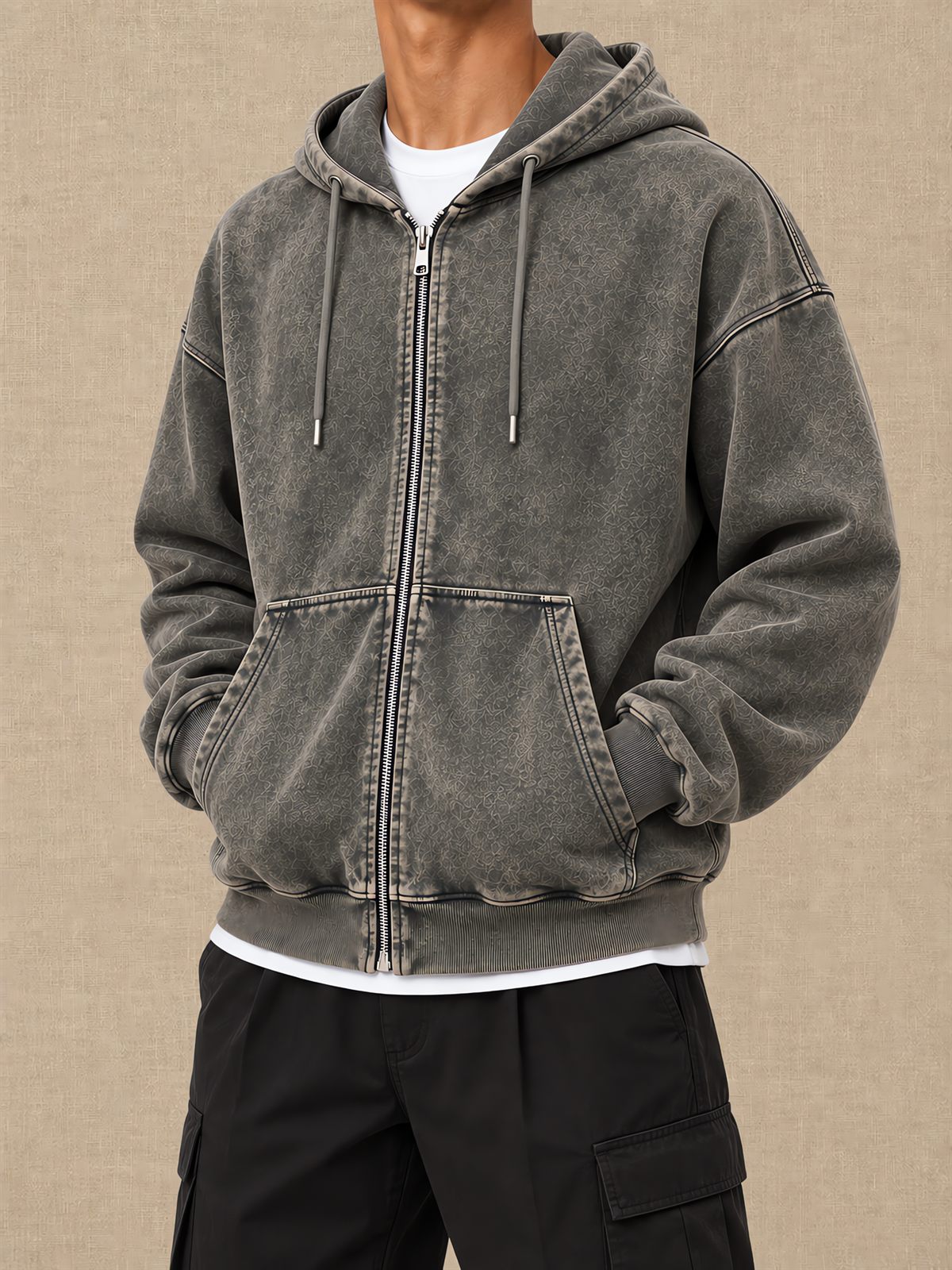
A full-length centre-front zip adds pattern and trim requirements. State the zip length, slider finish and tape colour in the specification.
Zip-ups are popular for layering because the front opening makes them easy to put on and take off, and the fastening gives the wearer an adjustable front opening. Many buyers develop a zip-up hoodie with a washed or faded finish, since a softer surface appearance suits the more relaxed positioning.
Crewneck Sweatshirts
A crewneck has no hood, no zip and no pouch, just a ribbed neckline, body and cuffs. It belongs in the same casualwear sourcing category as hoodies because it uses the same fabrics, the same rib package and often the same factory line.
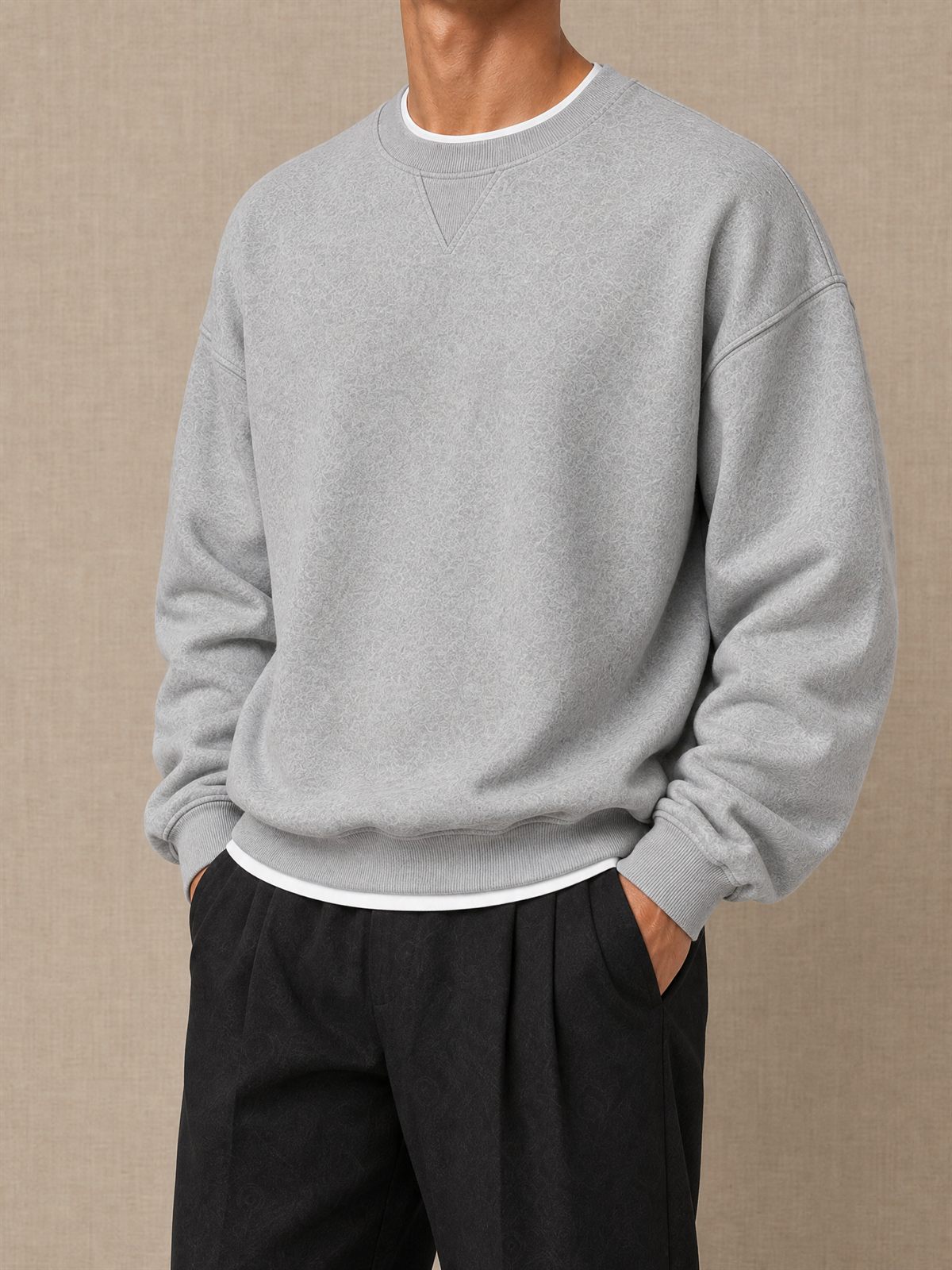
A crewneck removes the hood and front fastening from the specification, but its fit, neckline and rib still need development and approval. A crewneck sweatshirt with a V-insert at the neckline reads noticeably more considered than a plain ribbed collar, with the additional construction included in the quotation.
For sampling, contrast a regular-fit cotton crewneck sweatshirt with a washed crewneck sweatshirt. The first helps frame fit and rib dimensions; the second adds a finished-surface approval question. Confirm the selected fabric and wash on the actual sample.
Quarter-Zip Sweatshirts
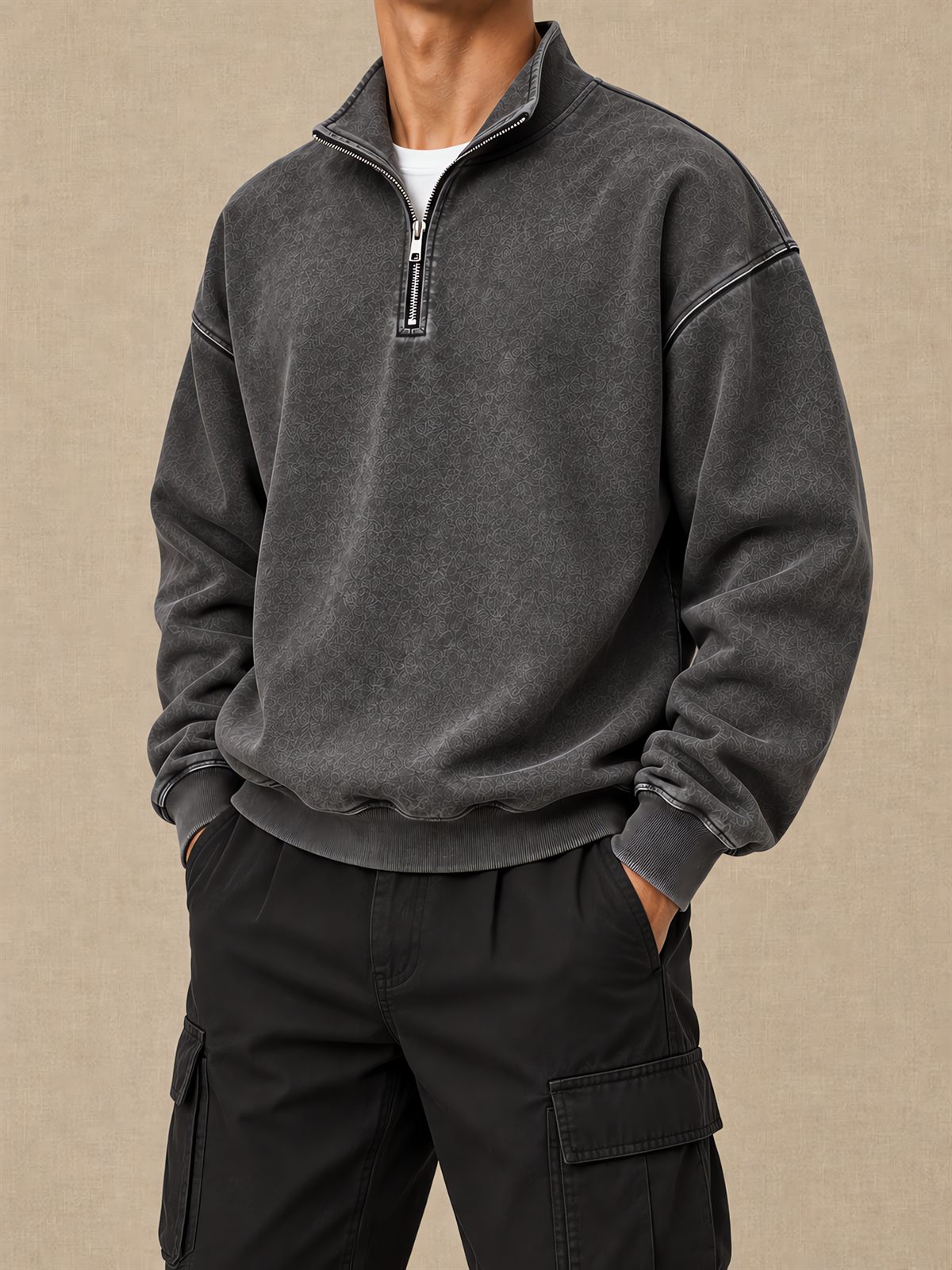
A stand collar with a short zip, usually without a hood. A quarter-zip introduces a collar and fastening package. Its cost depends on the selected fabric, trims and construction rather than a fixed position between other sweatshirt styles.
They suit corporate and uniform programmes well because a quarter-zip sweatshirt layers cleanly under a jacket without adding bulk at the neck.
Hoodie Fabric Options: Fleece and French Terry
Fabric choice drives the hand feel, the drape, the finishing options available and the price. Most hoodie programmes come down to two constructions, and the difference between them matters more than most buyers expect.
Brushed Fleece
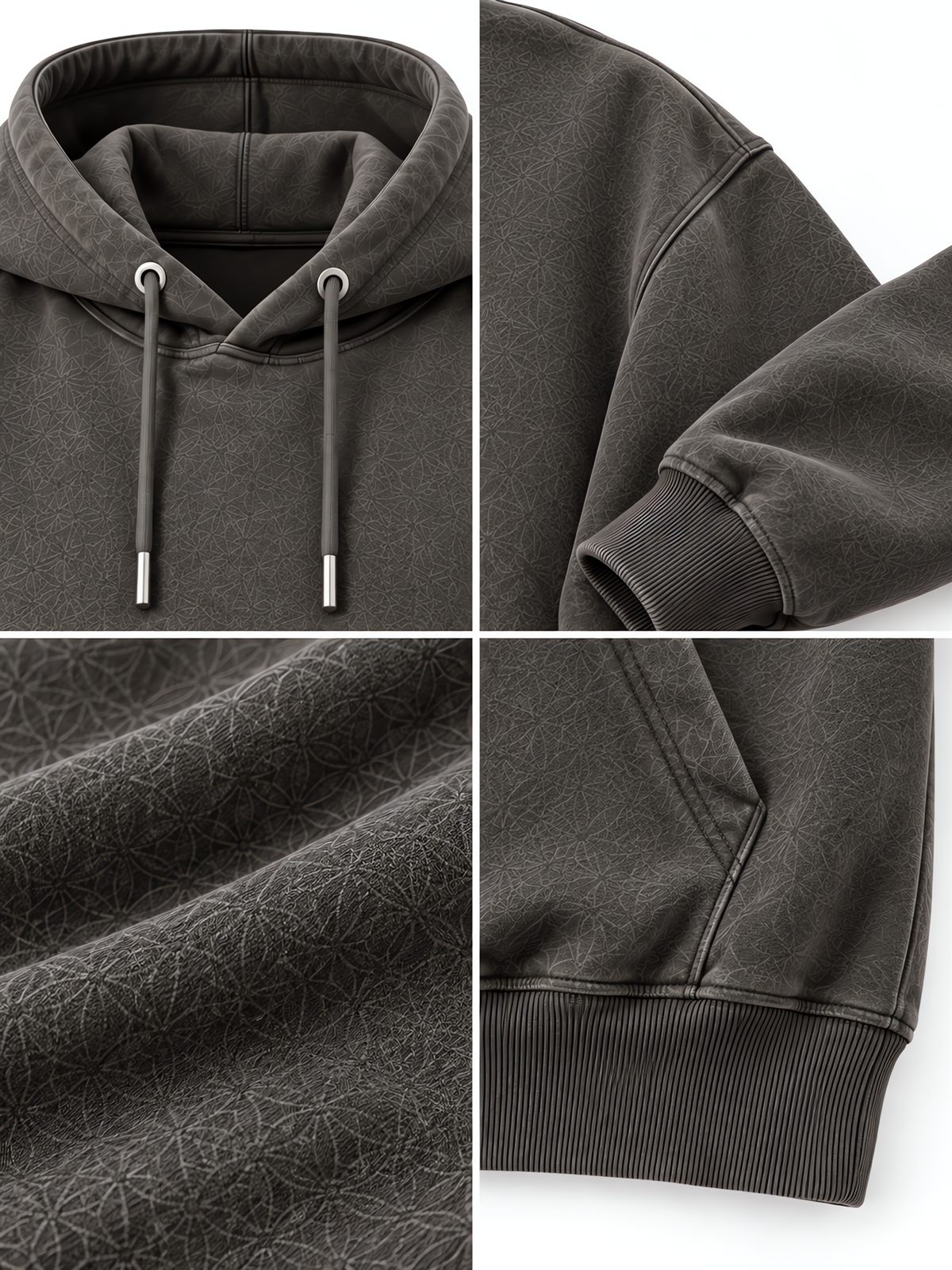
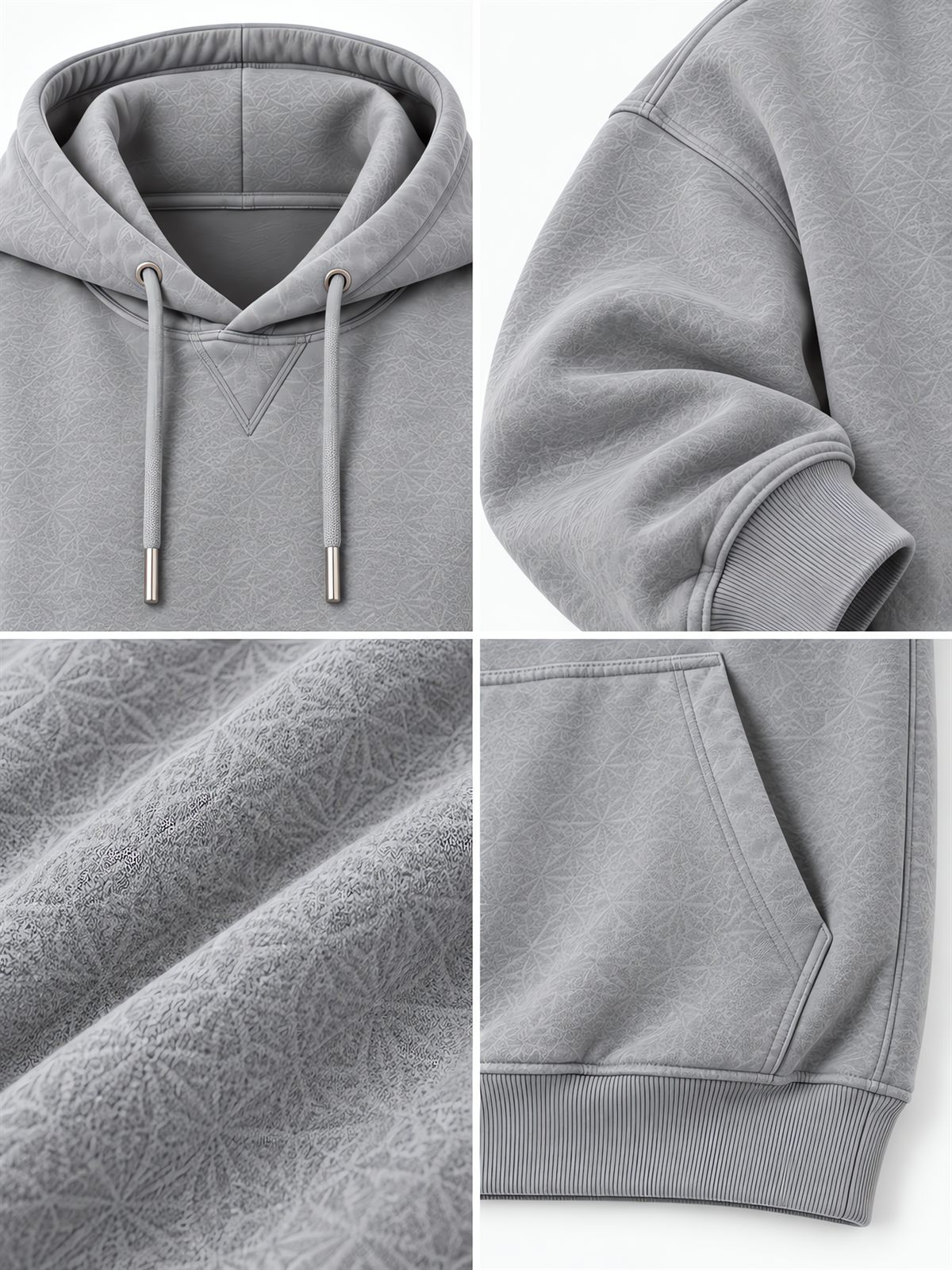
Brushed fleece has a napped, softly textured inner surface. It reads warm and substantial in the hand and in photographs, but decoration suitability must be reviewed on the selected material and sample.
Review surface appearance after the agreed care treatment on the selected fleece. The construction name alone does not establish loft retention, pilling resistance or durability. A brushed fleece hoodie is one reference to review when selecting a brushed inside surface.
French Terry
French terry has a smooth face and an unbrushed loopback reverse, the loops are visible on the inside rather than cut or napped. Drape and surface stability depend on the particular fabric and finish; assess them on the selected swatch and sample.
Consider French terry when an unbrushed loopback surface fits the product brief. Check its hand feel, weight and behaviour against the intended use rather than choosing it from a seasonal label alone. A french terry hoodie offers a reference for the loopback construction; it does not establish comparative thermal performance.
When you specify fabric, confirm the target hand feel against a physical swatch rather than an abstract description. Two mills can describe their fabric the same way and deliver a completely different garment, because surface finish, yarn and loop height all change the result.
For surface appearance during sample approval, use the fabric pilling guide to define the assessment and record the actual material and finish.
Hoodie Construction Details Buyers Should Check
Check the following details on the sample and record any changes by location. Each belongs in the final specification.
Hood Shape
Specify the hood’s panel arrangement and review its shape with the hood both up and down. Panel count alone does not establish how closely it will sit or how well it will hold its shape. Confirm the panel drawing before sampling.
Rib Finishing
Cuffs and hem are measured and specified separately from the body fabric. Rib height, recovery, colour and any stripe layout all affect how the garment reads, and how well it keeps its shape through wear. Rib should be agreed as its own line item rather than assumed to match the body.
Pocket Construction
A kangaroo pouch, a split pouch divided by a zip, welt pockets and side-seam pockets each change the front balance of the garment and the amount of pattern work involved. On a zip-up, specify where the pocket divides around the fastening. Include that construction in the sample review and quotation.
Drawcord and Trims
Cord thickness, tip finish and eyelet colour change the front of the hood noticeably. Record whether the cord has metal tips or knotted ends. The eyelet finish should either match the rest of the trim package or contrast with it deliberately, never by accident.
Confirm zips, sliders, tape, eyelets, cords and woven labels together. Record the colour and finish of each component so the approved trim package is clear.
Hoodie Customization Options
Choose the decoration method while developing the garment. The artwork, placement and selected fabric affect the sample work and the quotation.
Embroidery
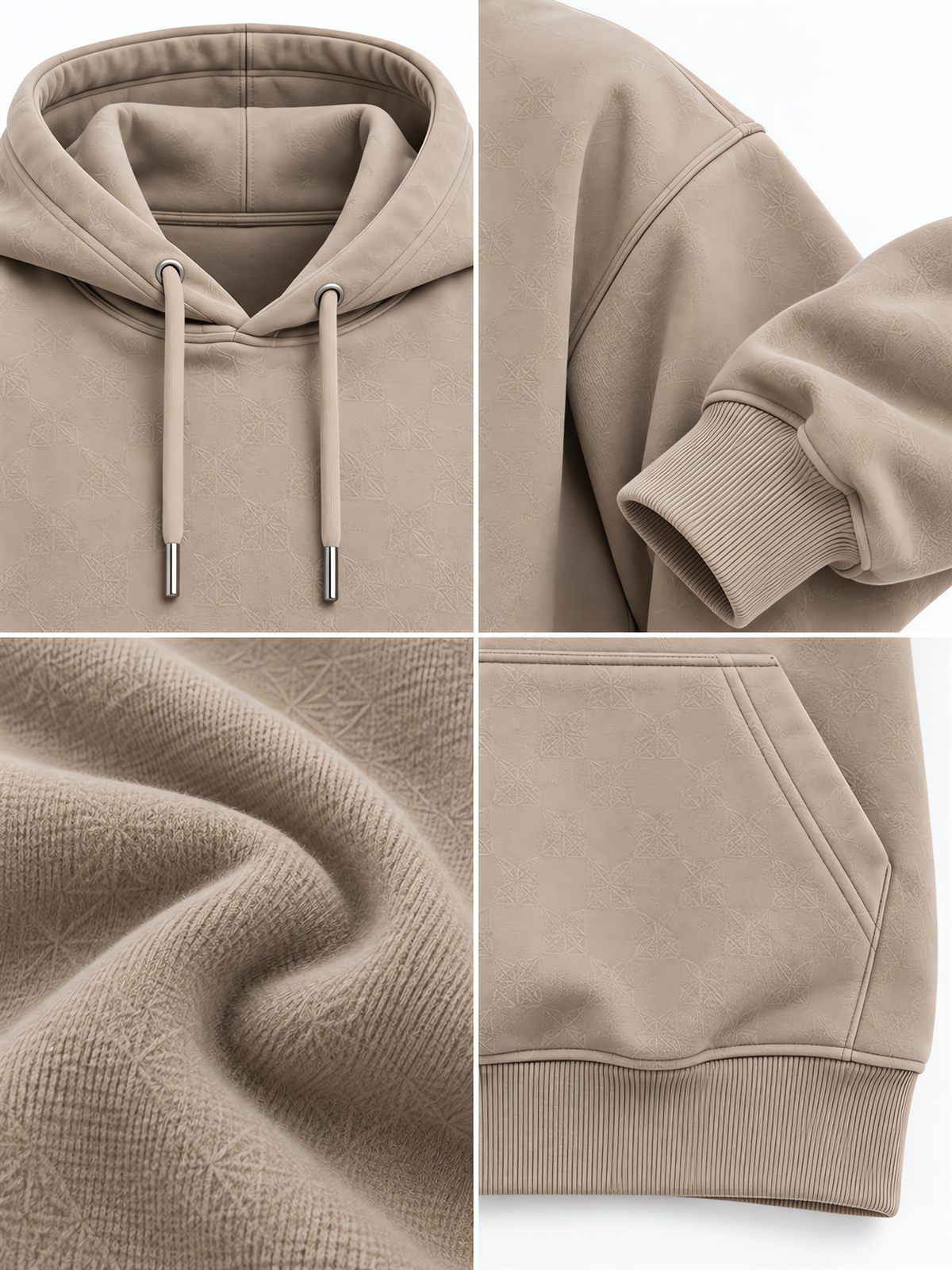
Embroidery suits logos, chest marks, sleeve hits and small repeat details. It gives a raised stitched appearance; review the actual embroidery sample for appearance and the required care performance. On fleece it needs a backing decision, because a dense stitch on a soft napped surface can sink into the fabric or distort it without appropriate stabilisation.
Printing
Printing handles larger graphics, all-over treatments and fine detail that embroidery cannot reproduce. Screen print, DTF and other methods each have their own strengths depending on the artwork, the number of colours and the quantity. Placement, print size and colour count should be agreed on the tech pack before sampling so the decoration cost is quoted accurately rather than estimated.
Labels and Packaging
Inside-neck woven labels, heat-transfer labels, size labels and hangtags are part of the private label package. If your branding extends to packaging, specify it at the same time as the garment so both are produced to the same schedule and arrive together.
Private label hoodies typically start from a plain base, a blank hoodie produced to your own fit and colour, with your branding applied on top. That approach keeps the base consistent across a range and lets you change decoration between seasons without re-developing the garment.
Hoodie Manufacturing Process
For a cut-and-sew hoodie, each production stage uses decisions made at the previous stage. Keep the material references, measurement sheet and sample approvals current as the project progresses.
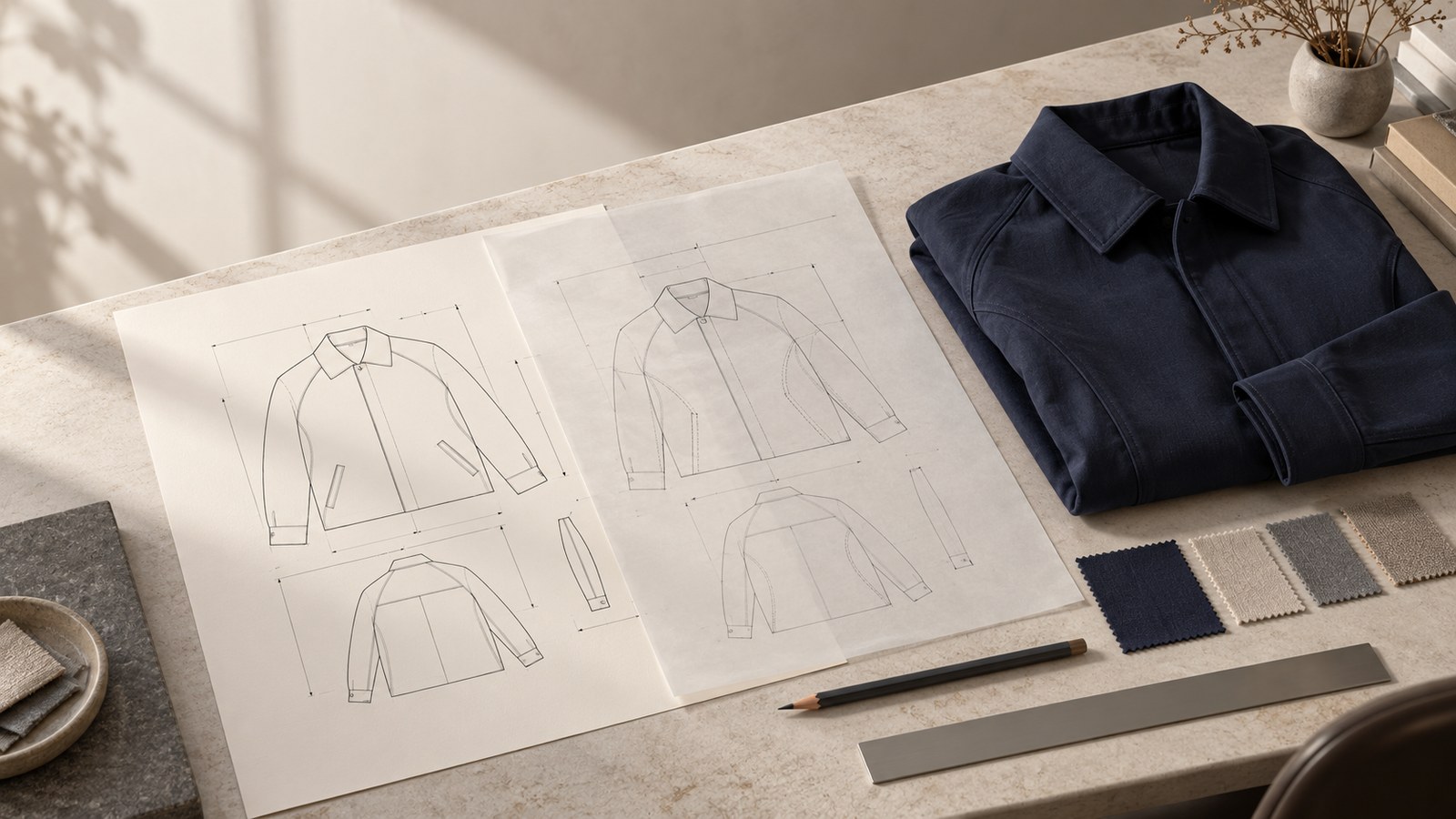
- Design confirmation. Either you supply a complete tech pack, or you supply a reference garment, sketch or product picture and the factory develops the specification with you. The second route is common for brands building a first range.
- Fabric and trim selection. Fabric construction, surface finish, colour and the full trim package are confirmed against physical swatches before sampling starts.
- Sample development. The first sample exists to prove fit, measurements, fabric, colour and construction. Record any sample corrections before the specification is approved for bulk. Our sample development process explains what each revision round should establish.
- Sample approval. Before bulk begins, the pre-production sample is signed off against the final specification. This is the reference both sides measure against, so nothing should be left as “we will confirm later”.
- Bulk production. Cutting, sewing, finishing and decoration run in sequence. The schedule is driven by the style, the quantity, fabric availability and how much of the trim package is custom.
- Inspection. Measurements, stitching, trims, decoration placement and packing are checked before shipment. The inspection standard and acceptance level should be agreed at the start of the order, not at the end.
MOQ, Sampling and Lead Time
NOVITA publishes the following starting terms for custom hoodie projects. Confirm them against your style, materials and order quantity before setting a launch date.
- MOQ: 100 pcs per style and colour, mixed sizes allowed
- Sample development: typically 7–14 days after materials and construction are confirmed
- Bulk production: 60 days after sample approval, depending on quantity and material availability
The published minimum applies per style and colour. Fabric, trims and production setup can impose additional project conditions, which should be confirmed in the quotation. When planning several colours, confirm that each style-and-colour quantity meets the applicable minimum. Request any alternative colour split as a separate quote rather than assuming it will reduce cost.
Timelines move for predictable reasons: custom-dyed fabric, a complex trim package, a busy production season, or artwork that needs reworking after the first sample. Building a buffer into a launch date is more reliable than assuming the fastest case. For how to work out the quantity you actually need, see our MOQ guide.
Hoodie production cost: hold the baseline steady
Compare hoodie costs using the same fit, colour quantities, decoration and packing. If a supplier changes the material or construction, request a separate option that lists those changes.
Record the body fabric reference, composition, finished weight and inside surface. Specify cuff and hem rib separately, including dimensions, colour and recovery. The hood drawing should show its panels and whether it is lined.
Ask for brushed fleece and French terry as two named material options under the same garment specification. Yarn, finishing, availability and order quantity affect the quote. Review both swatches and any required garment samples before selecting one.
A zip-up quote needs the fastening length, tape colour, slider and finish. For a pullover, define the pocket and drawcord details. Price a proposed trim substitution separately so you can see what changed.
Send the actual artwork with its finished dimensions and placement. Ask which decoration method the supplier has priced and whether development or setup is charged separately. A placeholder logo gives a provisional estimate; the final file still needs review.
Ask the supplier what the same garment would cost with the alternative and which approvals would need to be repeated. A material change can affect fit, surface appearance or decoration. Identify the swatch or revised sample that you will review.
Separate the details your brand must retain from those you can change to meet the budget. Use the comparison record below to request options. It is an illustrative buyer worksheet; NOVITA must confirm the available options and prices for your project.
A hoodie quote comparison record
Keep the original specification and the supplier’s proposed alternative in the same record. The worksheet below shows which fields to compare; its entries describe buyer questions and contain no actual order or quotation.
| Decision | Baseline to record | Ask the supplier to confirm |
|---|---|---|
| Body material | Swatch reference, composition, weight and inside finish | Exact proposed replacement and sample needed for review |
| Hood and rib | Panel drawing, lining choice, cuff and hem requirements | Whether the alternative changes these components |
| Hardware | Zip, cord, eyelets and tips included in the selected style | Any separate minimum, sourcing charge or substitution |
| Artwork | Approved file revision, size, placement and method | Setup charge, decoration sample and reorder treatment |
| Order split | Quantity by style, colour and size | Minimum that applies to each variant |
| Development | Pattern and sample work requested | Included work, revision charges and any written credit terms |
| Delivery scope | Packing, destination and required arrival window | Transport, inspection or other services excluded from the price |
NOVITA’s published custom MOQ is 100 pieces per style and colour, with mixed sizes allowed. Ask the team to confirm your fabric, trims and decoration at those quantities. Separately sourced components may have their own minimums.
Request each option’s unit price and separate charges, with the currency, quotation validity and payment conditions. Confirm the sample fee, revision charges and any written credit arrangement for a later bulk order.
Record the named delivery location and the supplier’s responsibilities. List excluded charges, including any freight or destination services you must arrange. Recheck them if the destination or arrival requirement changes.
When you accept an alternative, update the material list and specification, identify the sample to approve and reconfirm the quotation. Keep the original and revised versions so the order uses one agreed set of prices and product details.
For a wider request, use the clothing manufacturing RFQ checklist. To discuss a hoodie cost comparison with NOVITA, send your baseline specification and the alternatives you want reviewed, together with quantities by style and colour. The team must confirm the scope before the options become a project quotation.
Hoodie Manufacturer Specification Checklist
Prepare these details before approaching suppliers. A complete specification helps the supplier identify the work to quote and the decisions still needed before sampling.
| Item | What buyers should prepare |
|---|---|
| Style | Pullover, zip-up, crewneck or quarter-zip |
| Fabric direction | Brushed fleece or french terry, with target hand feel |
| Colour | Pantone reference or a physical colour standard |
| Hood | Two-panel or single-piece, lined or unlined |
| Drawcord | Cord type, tip finish, eyelet colour |
| Zip | Length, slider finish, tape colour (zip-up styles) |
| Pouch, split, welt or side-seam | |
| Rib | Height, colour, stripe if any |
| Decoration | Print or embroidery, with placement, size and colour count |
| Label | Woven, heat transfer, hangtag and packaging requirements |
| Quantity | Units per colour, against the MOQ requirement |
| Size range | Base size and grading rules |
How to Compare Hoodie Manufacturers
Compare each quotation with the specification and ask the supplier to answer the following questions in writing.
- Do they provide samples? Ask what the sample represents, which materials it uses and how revisions are approved.
- Can they support private label? Ask specifically about labels, hangtags and packaging, not just the garment.
- What customization options are available? Whether decoration is handled in-house, and which methods they actually run.
- How do they control quality? What is inspected, at which stages, and against what acceptance standard.
- What is their MOQ? Confirm whether it applies per style, per colour or per order, and whether mixed sizes count within it.
- What is the production timeline? Get sample and bulk windows in writing, and ask what typically causes delay.
Keep these answers alongside the quotation. For the broader supplier review, see how to choose a reliable clothing manufacturer in China.
Frequently Asked Questions
What is the MOQ for custom hoodies?
100 pcs per style and colour, with mixed sizes allowed within that quantity. Confirm the applicable material and trim conditions for the specific order.
How long does hoodie production take?
Sample development typically takes 7–14 days after materials and construction are confirmed. Bulk production follows at 60 days after sample approval, depending on quantity and material availability. Our sampling and approval guide explains which decisions must be confirmed before bulk production.
Can manufacturers make private label hoodies?
Yes. Private label production applies your own branding, labels, hangtags, packaging and decoration, to a garment produced to your specification. Our private label clothing manufacturing guide explains how private label differs from OEM and ODM.
What hoodie fabrics can buyers choose?
Brushed fleece and french terry are the two main constructions for hoodies and sweatshirts. Compare physical swatches and garment samples for the desired inside surface, hand feel and use; neither construction name guarantees a particular drape or performance. For surface-pilling checks on fleece, see our fabric pilling evaluation guide.
Can I order small quantities?
For selected ready styles, smaller quantities may be available depending on stock availability. Custom-developed styles follow the standard MOQ of 100 pcs per style and colour.
Develop Your Custom Hoodie Range With NOVITA
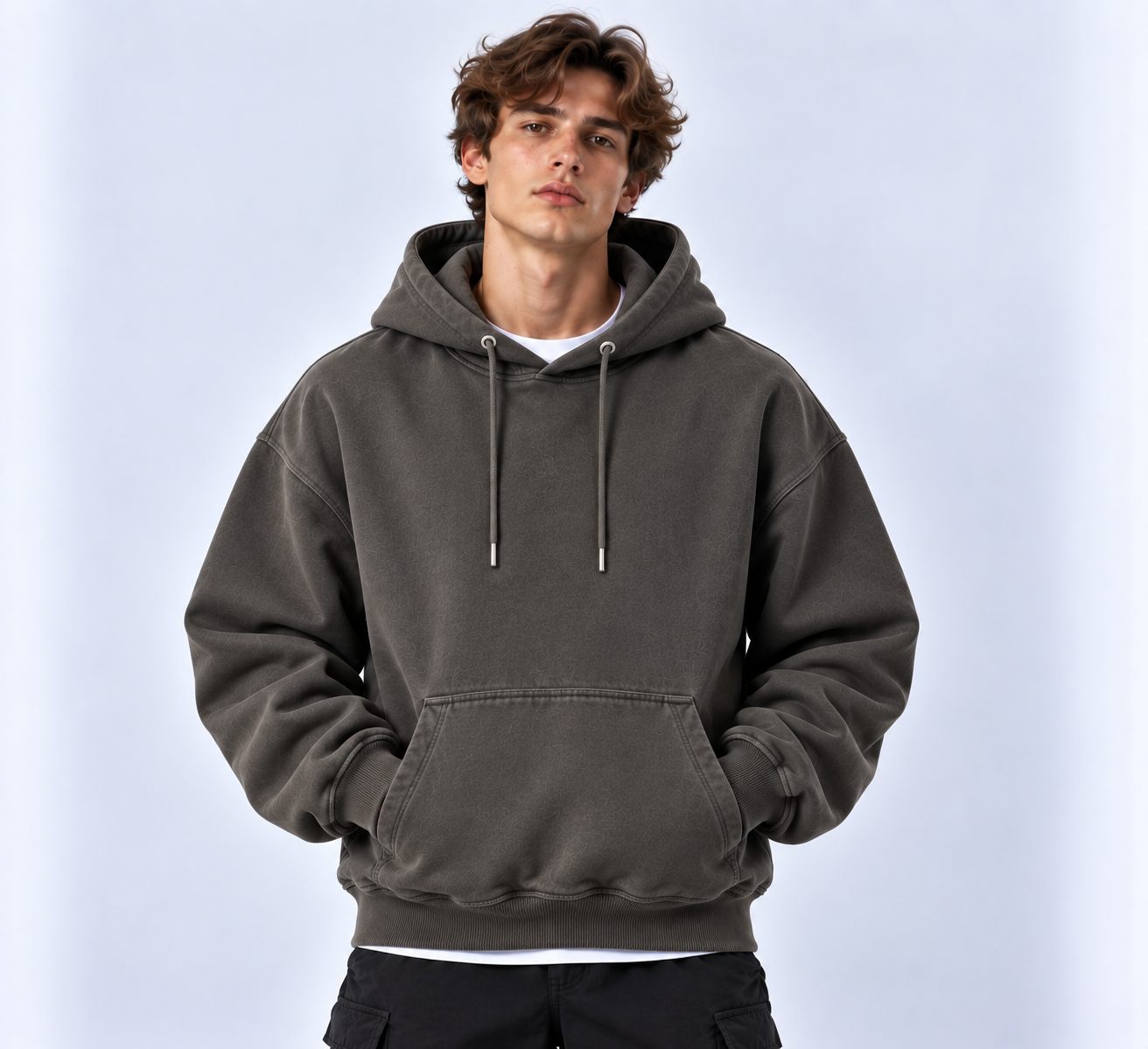
NOVITA is a hoodie and sweatshirt manufacturer based in Foshan, China, producing brushed fleece and french terry programmes for clothing brands, wholesalers and uniform suppliers through OEM, ODM and private label production. Our team develops fabric, surface finish, hood construction, drawcords, zips, pockets, rib, trims and labelling to your specification.
Send us your product picture, tech pack or reference sample together with your estimated quantity. We will come back with fabric options, MOQ, sample timing and a production plan.
Start your hoodie project, request a quote
Explore NOVITA’s hoodie manufacturing capabilities and our complete collection of custom hoodie styles on the hoodie and sweatshirt collection page.