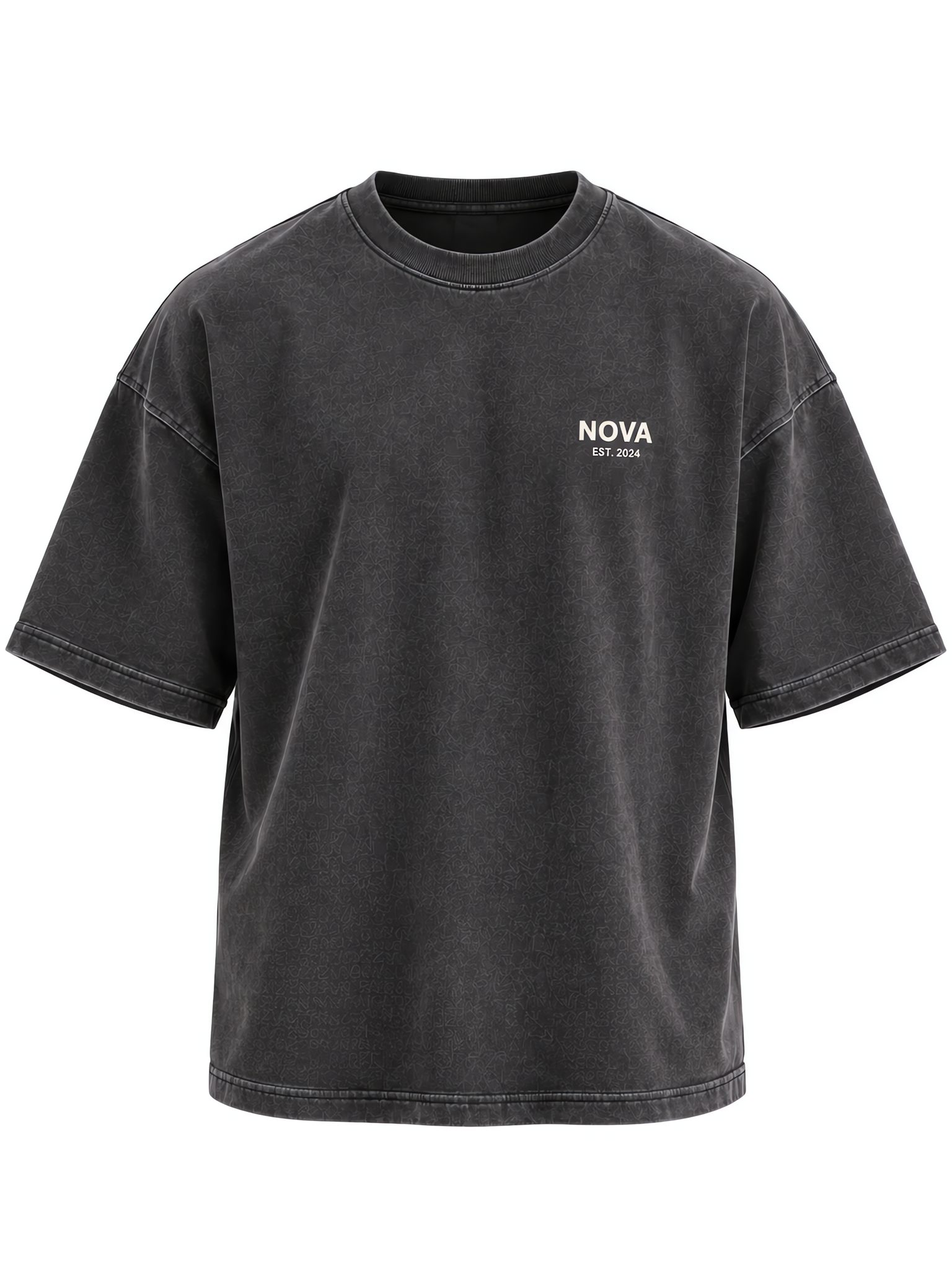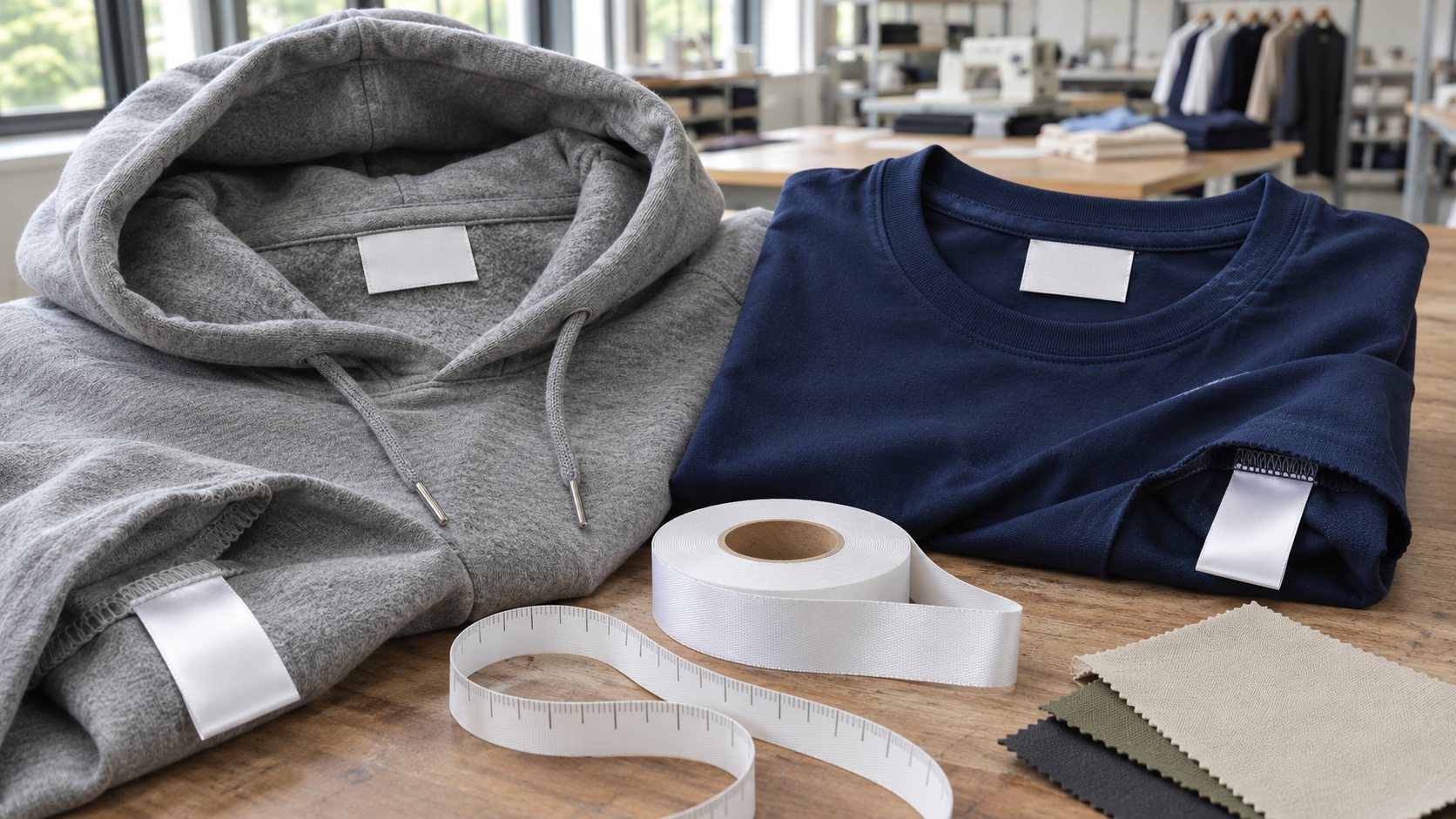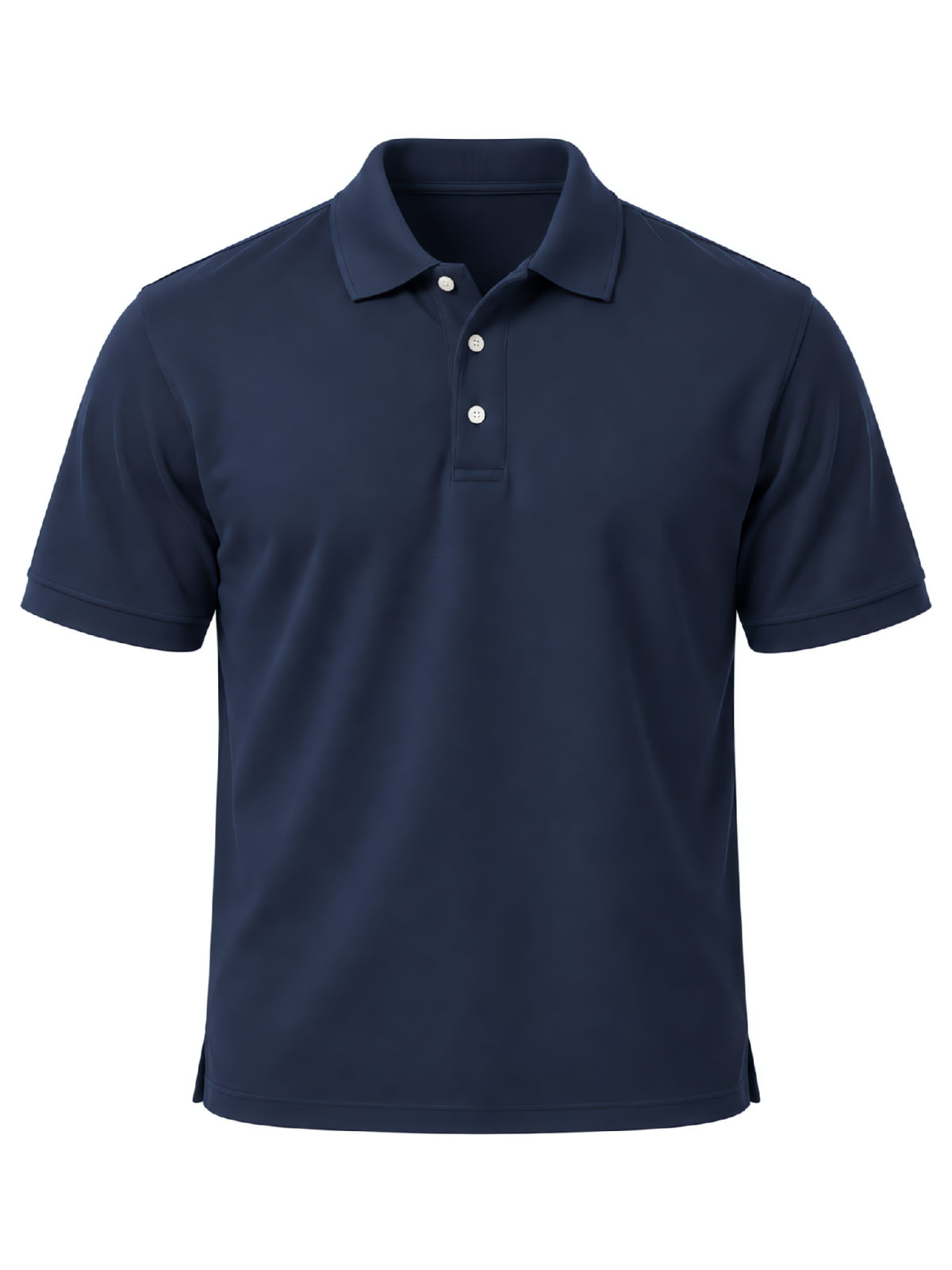

A bomber jacket spec should show the base-size fit, shell and lining, rib at the collar, cuffs and hem, the front zipper, and any sleeve pocket. Ask for an assembled sample with the intended layers. Check how the jacket hangs closed, how the ribs recover, and whether pockets and the zipper work during movement. For the wider sourcing process, start with the jacket manufacturing guide.
Set the wearing layer and the finished fit
Choose what the wearer should be able to wear underneath. Measure the torso and sleeve on the base-size sample, then compare the finished jacket while open and closed. Check how the ribs sit around the wrist and waist. A fit comment should identify where the change occurs, such as at the sleeve head or front hem, with a photo and the corresponding point.
ISO 18890:2018 covers garment points and measuring methods, as of November 2026. Include the specifications and positions for your selected sample in the brief.
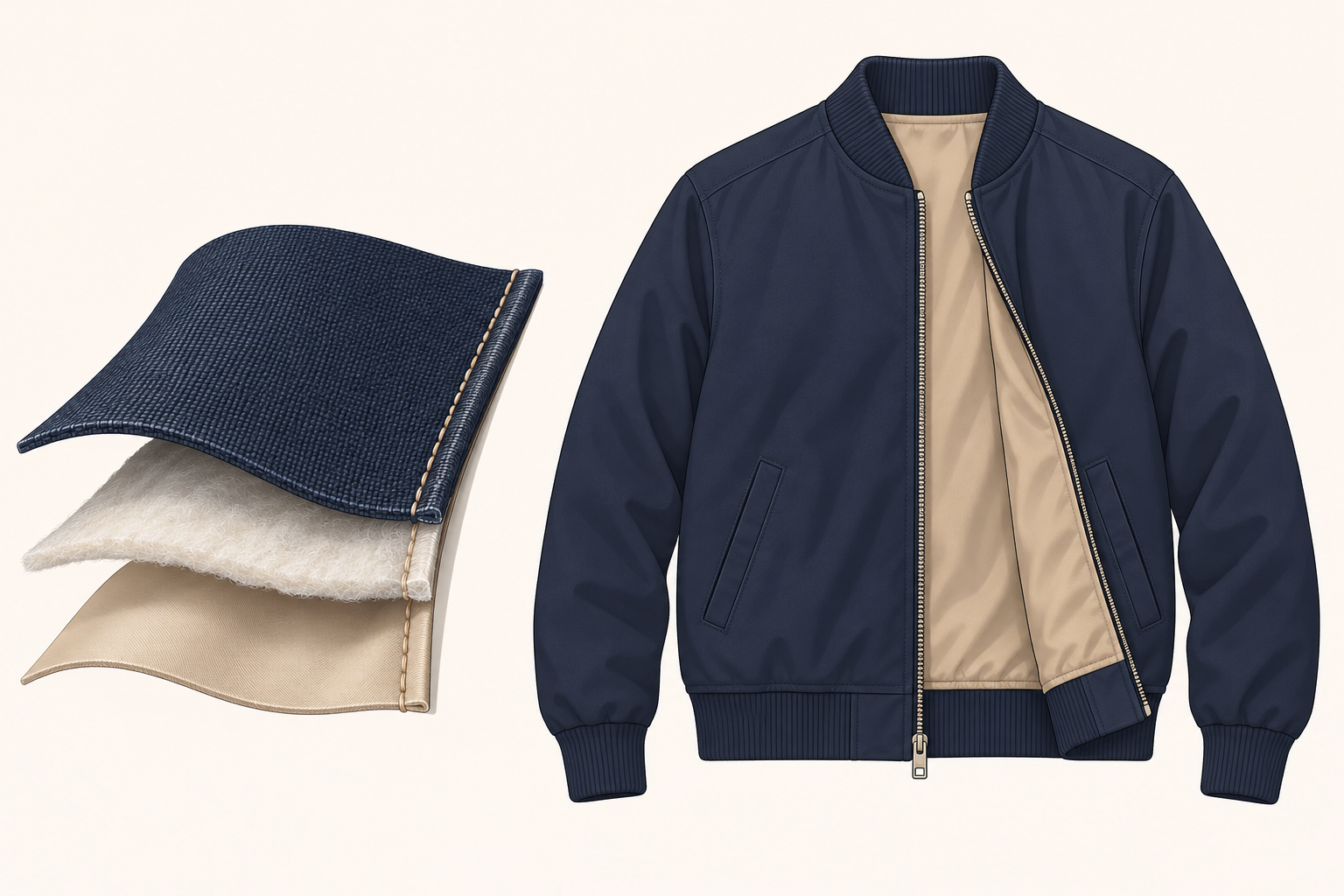
Specify the layer combination
Attach a swatch for the outer shell and a reference for the body and sleeve linings. If a particular lining is intended to move easily over an inner layer, compare it on the assembled sample. Ask the supplier to explain what sits at pockets, cuffs and closures, where several layers meet. Note where bulk, shine or surface distortion would be unacceptable. Coats’ seam types reference gives examples of sewn constructions to discuss with the supplier.
| Part | Record in the brief | Check on the sample |
|---|---|---|
| Shell and lining | Separate fabric references, finish and layer map | How the combination hangs open and closed |
| Collar, cuff and hem rib | Material, finished dimensions and attachment | Shape, feel and recovery |
| Front closure | Proposed zipper, length and tape or puller reference | Alignment, movement and edge finish |
| Sleeve and body pockets | Location, opening and closure | Access, usable space and strain at seams |
Use the jacket styles to identify the intended jacket length and sleeve outline.
Verify the zipper and pocket on the actual garment
The NOVITA bomber reference has a zip front and sleeve pocket options. Decide whether the sleeve pocket is visual, functional, or omitted on your version. If it is functional, define its position and what needs to fit. Try the zipper with the intended layer underneath, look at front alignment at the top and bottom, and check that the sleeve pocket can be opened in the intended position.
See where rib meets the zipper and shell
Ask for a close view of the bottom of the zipper and the rib seam near it. Close the front on a flat sample and check that the two bottom edges line up without pulling. When worn, check whether zipper tape, shell, and lining fold into the rib or cause a raised area at the edge. Put the measuring arrow and approval photo on the same detail view.
NOVITA’s varsity jacket reference also gives a way to inspect rib height and body-to-sleeve contrast, with snap-front choices. Use it to compare the opening and collar construction while keeping the sleeve pocket and zipper decisions specific to the bomber. If the closure type changes in development, review the assembled front in the intended layers again.
Record sample approval for the layers, ribs and hardware
Track the physical sample and current trim references in one file. Record any differences between the shell swatch and the assembled garment. If appearance after laundering is important, AATCC TM143 addresses specific appearance changes after home laundering, as of November 2026. Set the relevant conditions and acceptance rules with the supplier.
Send the agreed dimensions, layer map, pocket drawing and trim specifications with the tech pack. Mark the items that need another proof before you approve bulk.
Submit your bomber jacket specifications to NOVITA with the approved rib, zipper and layer references.