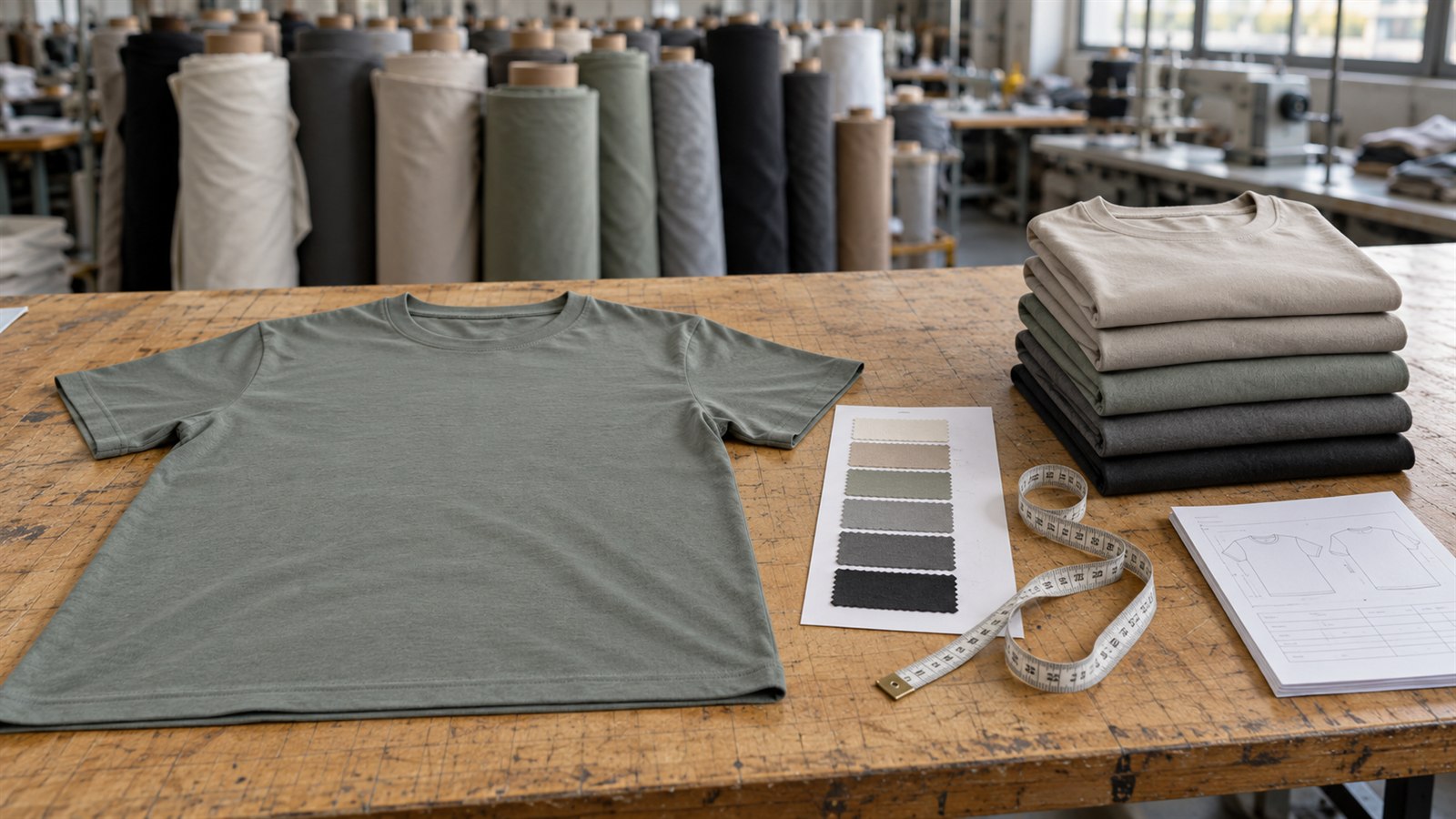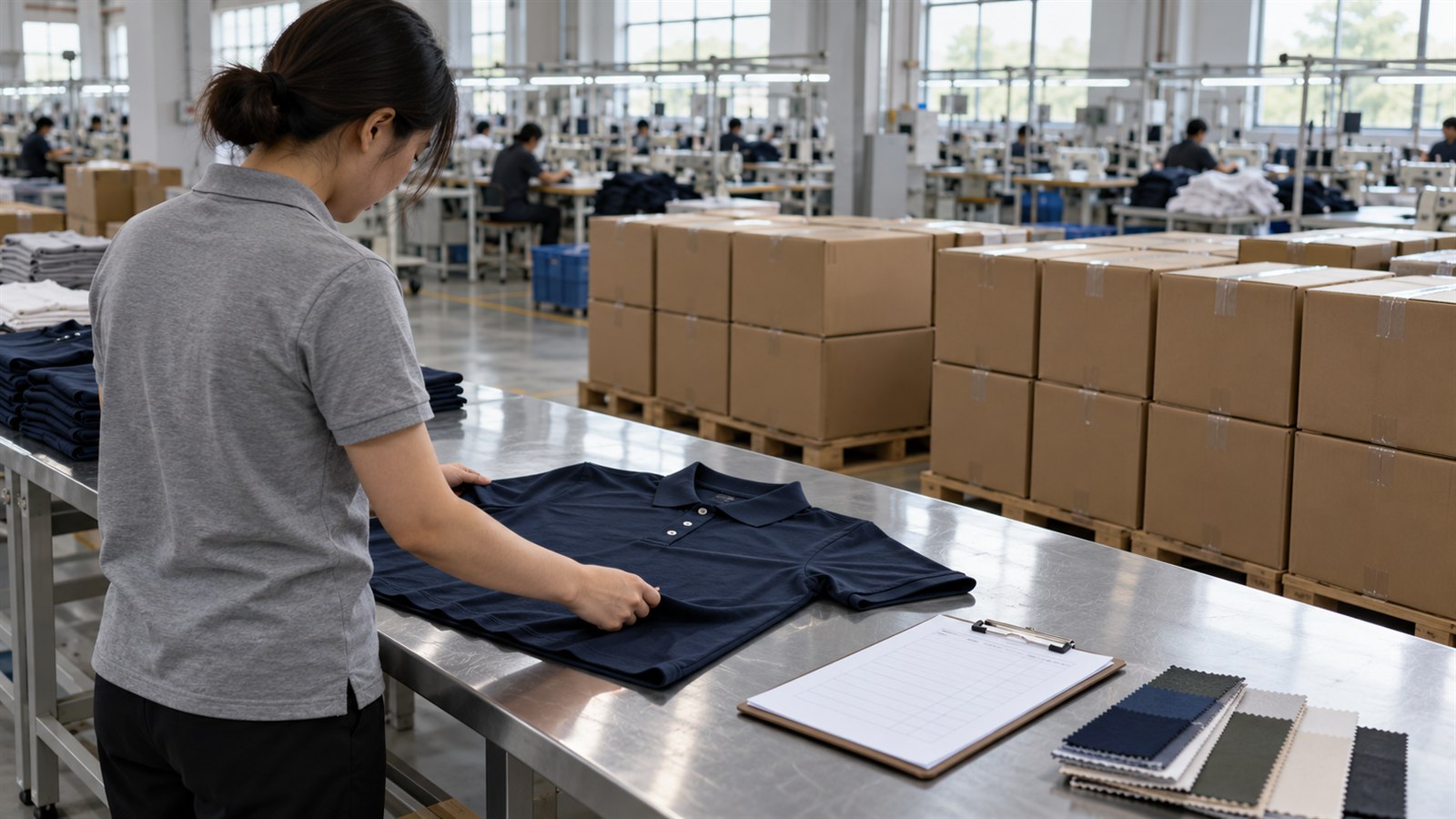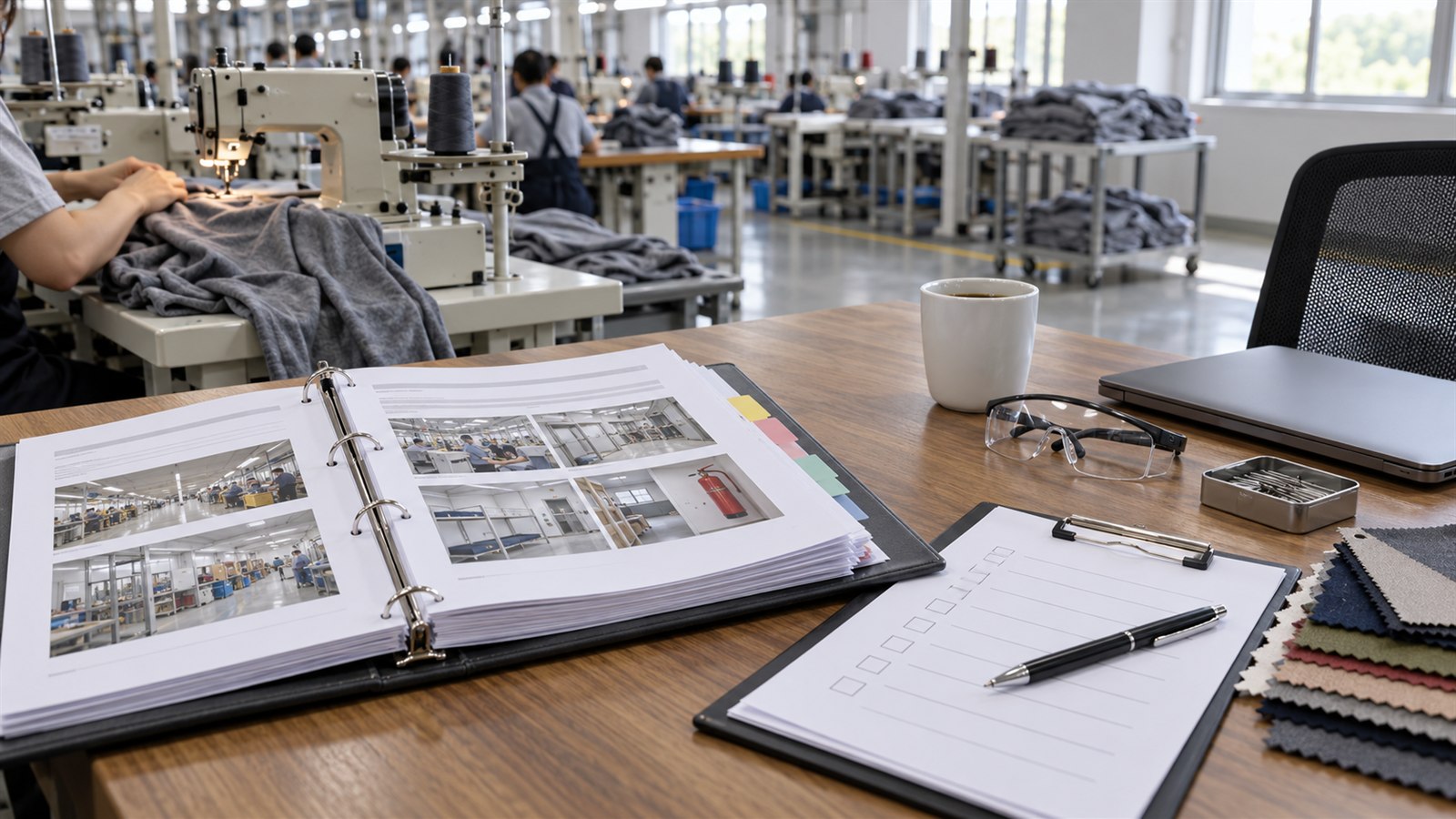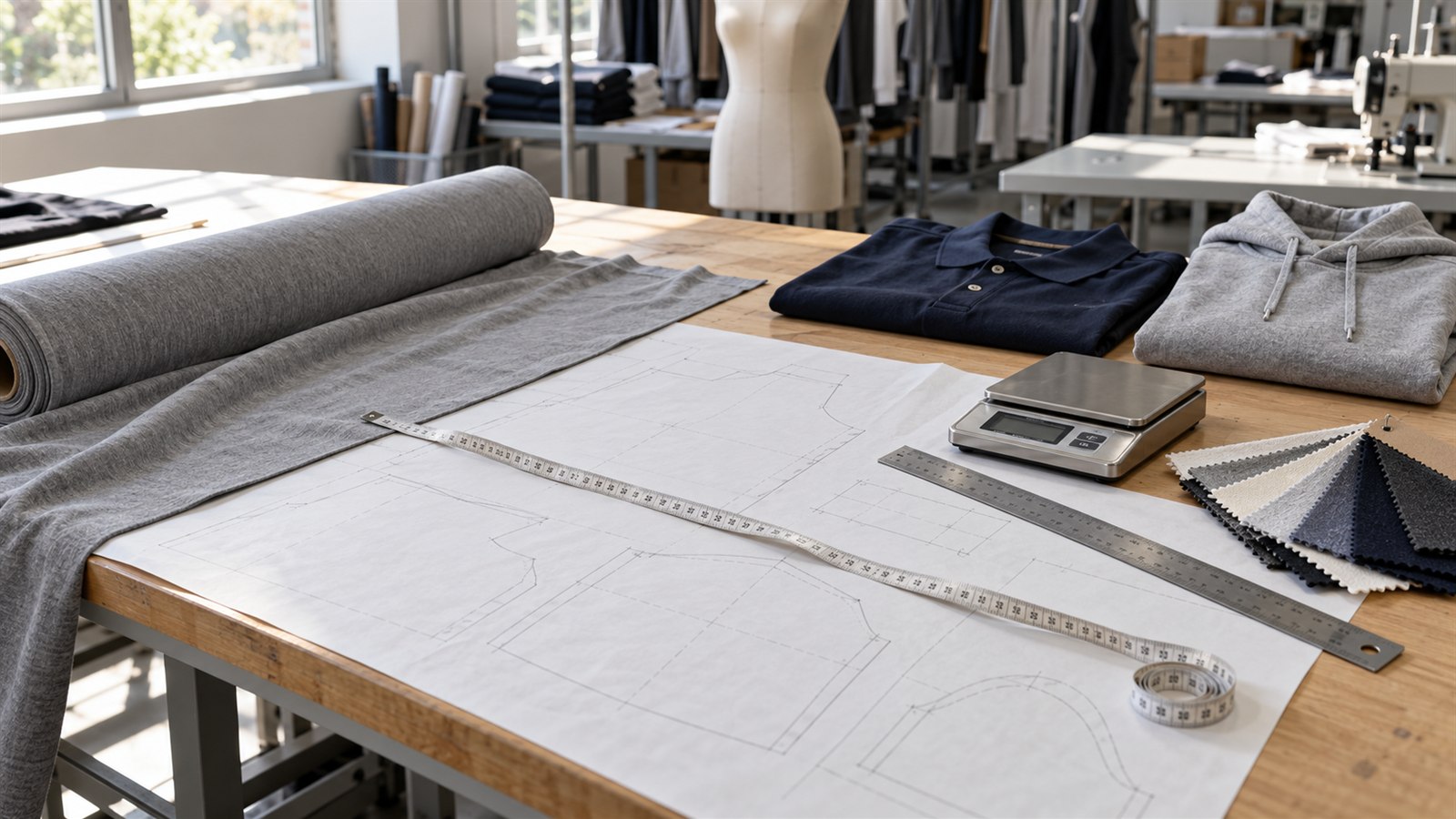
For a US, UK, or EU apparel brand, Chinese New Year factory closure planning starts with the required warehouse arrival. Work backward through transport, inspection, production, and development, then check those deadlines against the factory’s written holiday schedule.
Buyers need dates for material arrival, final approval, the end of sewing, and forwarder acceptance. A supplier may answer messages during the break while its sewing line is closed. Keep that distinction in your order calendar.
When does Chinese New Year fall?
Chinese New Year falls on February 6, 2027, beginning the Year of the Goat. The Hong Kong Observatory’s calendar conversion table identifies that date as the start of the first lunar month. Its following-year calendar puts Chinese New Year on January 26, 2028.
The Gregorian date moves each year. Do not copy last season’s China factory production calendar and change only the year.
Also separate the festival date, the government’s public-holiday arrangements, and each supplier’s operating schedule. They answer different questions. The first identifies the festival; the others determine staff availability and whether your order can progress.
There is no universal Chinese New Year factory closure schedule for every apparel supplier. Ask for the last working dates for sampling, bulk sewing, finishing, packing, and dispatch, plus the expected restart of each operation. These may differ from the sales office’s dates.
NOVITA’s own holiday closure dates are not stated here. Obtain written confirmation for your particular order rather than treating the calendar date as a manufacturing promise.
What stops, and what might keep running?
Check how the spring festival factory closure affects each operation your garment needs. Sewing cannot start without fabric; a missing zipper or pending print approval can hold up later work.
Ask each partner what will be available:
- Sales and merchandising: Who can answer questions, issue documents, and authorize changes? Remote replies do not establish production availability.
- Sampling and sewing: When will pattern work, sample revisions, cutting, and bulk sewing stop accepting work?
- Materials and decoration: When do the fabric mill, dyehouse, trim supplier, and any outside processor stop dispatching? Are the required goods already at the garment factory?
- Quality and packing: Will inspectors, finishing staff, and packing teams be available after sewing ends?
- Logistics: What are the forwarder’s collection, warehouse receiving, document, and carrier cut-offs?
DHL Freight’s holiday logistics guidance describes manufacturers reducing output before the festival and businesses closing for up to four weeks. That is DHL’s broad logistics guidance, not a measured apparel-industry average or NOVITA’s schedule.
Ask how the Chinese New Year factory closure affects your order at each partner. Support staff or transport services may remain available while the operation you need is closed. Record the dependency and its last available date.
Count backward from a confirmed cargo handover
A Chinese New Year cut off date should describe a specific event: sample approval, material readiness, bulk release, or cargo acceptance. “Order before the holiday” is too vague to manage.
NOVITA’s published sample-development guidance gives approximately 7 to 15 days after fabric, measurements, construction details, and workmanship requirements are confirmed. Its published bulk-production guidance is generally 60 days after sample approval, depending on quantity, fabric availability, and customization. These are NOVITA planning references, not industry averages or holiday capacity guarantees.
Illustrative planning arithmetic, not NOVITA’s holiday schedule: take February 6, 2027 as the reference day. For this example only, choose cargo handover 14 calendar days before it, and reserve 7 calendar days between bulk completion and handover for inspection, any correction, packing, and release. Neither allowance is a recommended minimum; both must be replaced if the actual work or logistics calendar needs longer.
Use the longer 15-day sample-development reference and treat the 60-day bulk reference as calendar days solely for this calculation. Confirm the quoted day basis with the supplier.
| Stage | What must be locked | How many days before the holiday | Why |
|---|---|---|---|
| Sample development starts | Fabric, measurements, construction, workmanship, and sample brief | 96 days: November 2, 2026 | Allows 15 days for development before the assumed approval date; excludes sample transit, buyer review, and revisions. |
| Fabric booking and sample approval | Approved sample, bulk fabric and trims ready, allocation confirmed | 81 days: November 17, 2026 | Bulk can start only if approvals, materials, and the production slot are ready. Book fabric earlier when required by the mill. |
| Bulk production | Written production release and agreed specifications | Starts 81 days before; completes 21 days before: January 16, 2027 | Subtracts the assumed 60-day bulk period from the completion target. |
| Inspection and release | Inspection result, corrections accepted, packing and shipping documents cleared | Between 21 and 14 days before: January 16 to 23, 2027 | Uses the chosen 7-day allowance; serious rework requires a new schedule. |
| Shipment handover | Forwarder acceptance, collection slot, cargo and documents ready | 14 days: January 23, 2027 | This is an assumed handover target, not a confirmed sailing, flight, or delivery date. |
The calculation is 14 + 7 + 60 + 15 = 96 days. It deliberately excludes unquoted fabric development, sample shipping, approval delays, revisions, and international transit. Add those separately rather than hiding them inside sampling.
The Chinese New Year factory closure deadline may be earlier than this example. If the mill, factory, inspector, or forwarder cannot support these dates, move the schedule backward. NOVITA’s OEM and ODM process helps identify the approvals that must precede each handoff.
Protect capacity before the holiday, not just during it
A nominally open factory is not necessarily accepting more work. DHL’s guidance describes production scaling back before the festival; your order may encounter a bottleneck before the closure begins.
Ask what “capacity reserved” means. Is the supplier holding a place pending approval, or has it allocated a line against confirmed materials and specifications? Can that allocation survive a late fabric substitution? Request an updated schedule when an input changes.
For cut-and-sew apparel, freeze the details that drive downstream work: measurement tolerances, graded sizes, fabric specification, decoration files, trim references, and packing instructions. An unresolved print placement can prevent approval even when the base garment is straightforward.
Use a single controlled specification, following how a clothing factory reads your tech pack. Date each revision and identify who can approve it. Conflicting comments in email and messaging apps leave the factory guessing which version to follow.
Before committing to a launch, ask which changes would cost you the agreed slot. Record that limit in the Chinese New Year factory closure plan, especially while the sample is still awaiting approval.
Distinguish reopening from production recovery
A reopening notice does not establish when your order will be ready. DHL’s guidance also warns that some facilities take longer to restore capacity after the celebrations. Do not translate that broad warning into a worker-return percentage or a fixed recovery period for your supplier.
For an order spanning the Chinese factory shutdown, request a restart plan tied to work remaining. Which materials are on site? Which operations are complete? What must restart before cutting, sewing, decoration, or packing can continue?
Ask for order-specific evidence after reopening: an updated work-in-progress report, material receipt confirmation, or inspection progress against the agreed specification. A photograph of an open building does not answer those questions.
Set a date to reassess any order still waiting on a firm completion date. You may need to delay the launch, approve a feasible split shipment, or revise the assortment. Check the quality and cost consequences before authorizing a change. In your Chinese New Year factory closure plan, record office reopening separately from goods ready for collection.
Put the holiday commitments in the PO
The PO should record the agreed schedule and what happens when its assumptions fail. A general “delivery before Chinese New Year” sentence leaves too much room for disagreement.
Define the milestone and its evidence
Specify whether the commitment is ex-factory readiness, forwarder warehouse receipt, shipment departure, or destination delivery. Use named locations, agreed trade terms, and dated approvals. Define what counts as completion; a packed order awaiting a failed inspection is not released cargo.
Attach the approved sample reference and current specification. Record the fabric and trim status, size and color breakdown, artwork, labeling, packing requirements, inspection criteria, and person authorized to sign off changes.
Assign responsibility for changes and delays
Write down:
- What the buyer must approve and when, including how late comments affect the schedule.
- Which materials are allocated, what remains unconfirmed, and whether substitution requires written consent.
- The last operational dates, expected restart milestones, and an escalation contact.
- When the supplier must flag a threatened milestone and provide a recovery proposal.
- Who can authorize partial shipment or air freight and how any added cost is agreed.
- The negotiated rights, remedies, or cancellation conditions if the schedule is missed, subject to appropriate legal review.
Read NOVITA’s guide to clothing manufacturer payment terms alongside the schedule. Keep production release, inspection approval, payment conditions, and cargo release consistent. Do not assume a deposit alone reserves materials or guarantees a line slot unless the supplier has confirmed that arrangement.
These are drafting points for negotiation, not claims that a standard clause automatically protects every buyer. Have the signed contract reviewed for the relevant jurisdiction and transaction.
Compare air and sea freight on the same deadline
Air freight may reduce the transport portion of a delayed order, but it cannot finish an unsewn garment or resolve an inspection failure. DHL’s guidance describes constrained freight capacity around the holiday, including limited air capacity. Do not treat an air quote as guaranteed rescue space.
For sea freight, ask the forwarder to work backward from the intended departure: cargo receiving, container loading or consolidation, customs documentation, and the applicable carrier cut-offs. Distinguish a booking request from accepted space and confirm what happens if cargo misses receiving.
For air freight, confirm cargo-ready timing, terminal acceptance, available capacity, chargeable weight, and the proposed routing. Compare the whole door-to-door plan, including clearance and destination delivery, rather than flight time alone.
Request current routing-specific quotes for your US, UK, or EU destination. This guide does not assign a universal ocean transit time, air transit time, or holiday surcharge.
If considering a split shipment, identify the actual styles, colors, and sizes needed for launch. Shipping an incomplete size assortment faster may not solve the commercial problem. Agree the packing, document, and cost changes before releasing the split.
The Chinese New Year factory closure plan should show both a production deadline and a forwarder acceptance deadline. Neither substitutes for the other.
Keep inspection separate from dispatch pressure
Do not let the last collection opportunity become the reason to release goods that have not passed the agreed checks. Define the inspection scope while the schedule still has room for correction.
Use an apparel quality control checklist tied to the approved sample: measurements, sewing, fabric appearance, decoration, trims, labeling, packing, and assortment. Agree how findings will be recorded, who can accept a concession, and whether corrective work requires reinspection.
Ask what the factory will do if inspection fails close to its shutdown. Possible decisions include holding the order, completing an agreed correction before collection, or revising the shipment plan. None should be authorized silently to preserve a booking.
The inspection allowance in the illustrative calendar is not a promise that every defect can be repaired within it. If the work needs a replacement material or a closed processor, the completion date must be reconsidered. Keep quality release and shipping release as documented decisions.
Check the supplier’s answer before committing
A useful holiday response gives operational dates, unresolved dependencies, and the evidence supporting the delivery commitment. A friendly “no problem” is not enough.
Before confirming the order, check that you have:
- Written closure and restart dates for the operations your order needs.
- A clear point at which sample approval becomes final.
- Confirmation of fabric and trim readiness, not just sourcing inquiries.
- A production allocation linked to your approved specification.
- An inspection appointment and an agreed response to failed checks.
- A forwarder’s acceptance deadline and document requirements.
- A named decision-maker for delay notices and shipment changes.
Red flags include quoting only the national holiday dates, treating office reopening as full production recovery, or promising delivery without asking about the destination and shipping method. “Fabric available” also needs clarification: does it mean allocated stock, stock offered by a merchant, or fabric still to be made?
Ask the supplier to mark each milestone in the Chinese New Year factory closure plan as confirmed or conditional. Give every condition an owner and a next action so your team knows what still needs resolving before it can commit.
Frequently asked questions
When is Chinese New Year in 2027?
It falls on February 6, 2027, the start of the Year of the Goat, according to the Hong Kong Observatory calendar linked above. The festival date alone does not establish a factory’s last working day or the official public-holiday arrangements.
How long do Chinese apparel factories close?
Closure dates vary by supplier and operation. DHL describes businesses closing for up to four weeks in its broader logistics guidance. Confirm the actual dates for your supplier and its material and processing partners; do not apply that estimate automatically to NOVITA.
Is there a single last date to order before the holiday?
No. The workable deadline depends on development status, material readiness, available production capacity, inspection, and freight acceptance. The illustrative calendar is a way to calculate milestones, not a published order cut-off. Add buyer review and sample transit before relying on it.
Can a repeat order skip sampling?
Ask the supplier what can be reused and what needs approval again. A previous sample does not establish availability of the same fabric, color lot, trims, or production slot. Record any waived development step in writing without waiving the product specification or quality requirements.
Can air freight save a late order?
It may help when compliant finished goods are ready and space is confirmed. It cannot solve missing materials, incomplete production, or failed inspection. Compare the additional cost against the launch value and authorize the change in writing.
What should I send NOVITA to confirm a feasible schedule?
Send the current tech pack or reference garment, target quantity, size and color breakdown, fabric requirements, decoration details, and required destination arrival date. State which approvals are complete. Ask for an order-specific schedule, including holiday dependencies, rather than requesting a generic lead time.
If NOVITA is on your shortlist of China clothing manufacturers, send that brief to discuss production at its Foshan, Guangdong factory. Ask for written confirmation of materials, development milestones, production allocation, inspection, and cargo handover before committing to a launch.