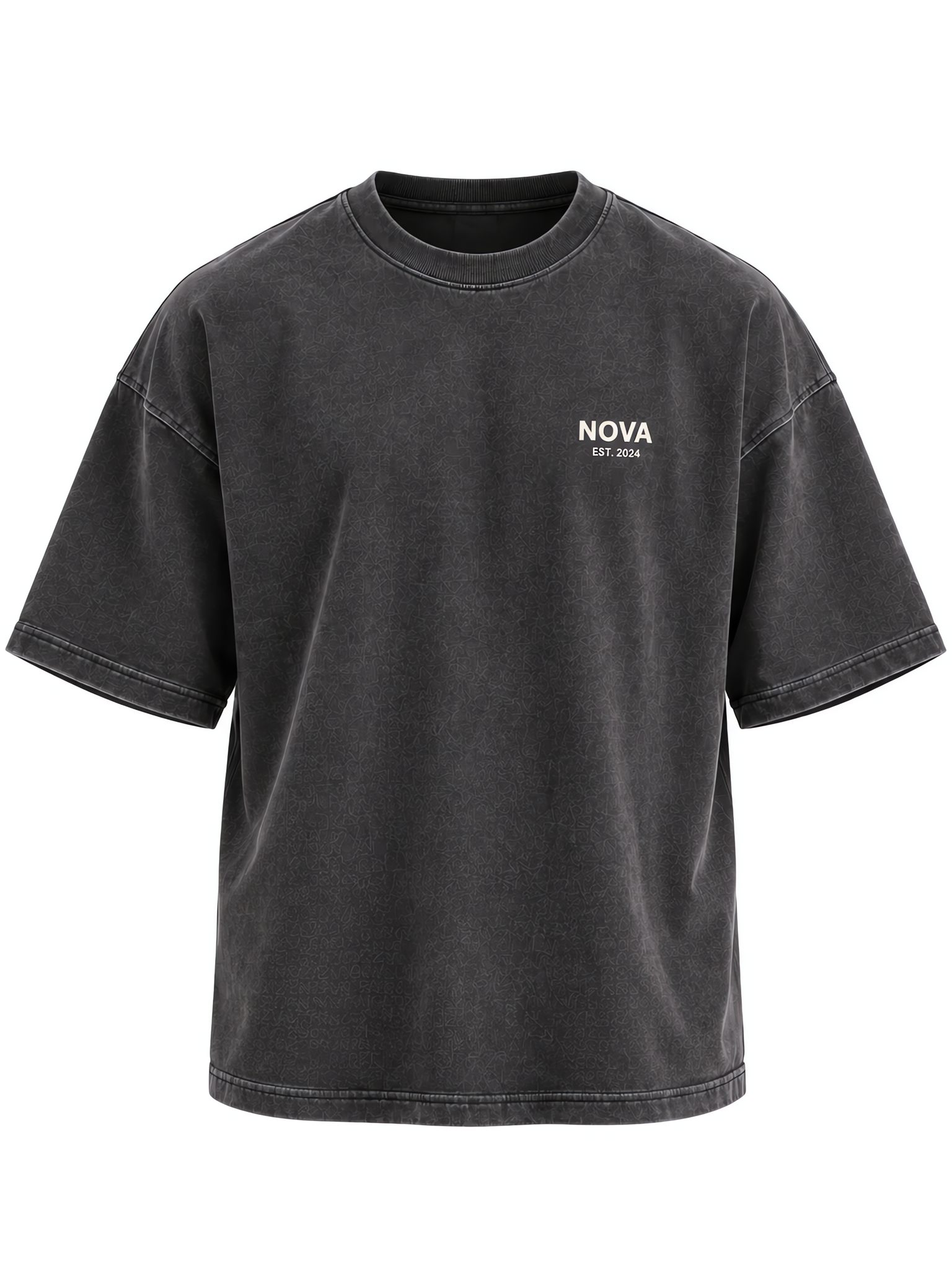

Use intarsia as a starting point for separate areas of color, such as a localized chest motif. Consider jacquard when the artwork needs patterning across more of the fabric. Ask the supplier to explain the proposed knit and its reverse, then approve the motif on a finished swatch in the intended yarn and colors. Put the approved motif swatch with the other order details in the knitwear manufacturing guide.
Match the artwork to the proposed construction
Send a clean artwork file and a garment placement view. Indicate which edges must stay sharp and where the artwork can be simplified to suit the yarn and stitch. A localized design can be developed as separately worked color areas in intarsia. Jacquard patterns use selected stitches across the fabric, with the reverse depending on the specific build. Ask for the proposed back and edge treatment before assuming hand or stretch. CottonWorks explains designing knitted textiles.
Inspect the face and reverse on the same swatch
Start with the front at the scale you expect in the garment. Check diagonal edges, small islands of color and where the motif meets a seam or trim. Turn that same swatch over. Look at the proposed reverse, accessible yarn lengths, local thickness and how it feels where the wearer will contact it. Compare a second option on the same criteria if the supplier proposes a different structure. CottonWorks' knitted structures material gives examples of patterning and different fabric backs.
| Area | Mark on the brief | Check on the finished swatch |
|---|---|---|
| Face | Scale, palette, and important boundaries | Legibility, definition, continuity |
| Reverse | Supplier’s proposed construction | Hand, thickness, finish and loose areas |
| Position | Base size coordinates from agreed points | Location on the body and relative to seams |
The knitted tops assortment gives examples of localized and repeated patterns.
Choose the correct NOVITA reference
The 7GG cotton-blend crewneck uses a chest intarsia motif. It suits a briefing conversation about the position and border of a single motif. The argyle jacquard sweater vest uses a diamond pattern and a layering fit. Use it to discuss motif repetition and how the pattern meets the openings. If the finished knit will be worn over a shirt, test the proposed stitch and hand on that layering sample.
How the reverse differs: floats, birdseye and intarsia
In a typical float-backed jacquard, unused yarn carries across sections on the back. Another proposal can use a patterned backing such as birdseye, with selected stitches catching colors on the reverse. Those constructions should be assessed separately for bulk, touch and visible yarn lengths. In intarsia, separate yarn feeds work the color areas, so a background color need not carry across the full width of a solid motif. Look at the color junctions and yarn ends for the proposed assembly.
On both samples, inspect a margin where an area of color changes and a section without a border. Mark the place you want to approve and take the photo on the same swatch. Machine features and the proposed knit can change the reverse. Use the standard vocabulary where a specification needs a clear term. ISO 8388 knitted fabrics vocabulary, as of November 2026.
Approve the motif on the finished swatch
Save the approved front and back swatch photographs, yarn and color references, placement notes, and finished garment size. Ask for a new sample when the palette, yarn, artwork scale, or structure changes enough to affect approval. Take this record into the knitwear quote and sample brief so the workroom can distinguish a visual preference from a decision it should reproduce.
Bring the motif chart, approved colors, and reverse-side photo together with the tech pack preparation checklist.
Send your knit artwork to NOVITA with its intended placement and the approved swatch colors.