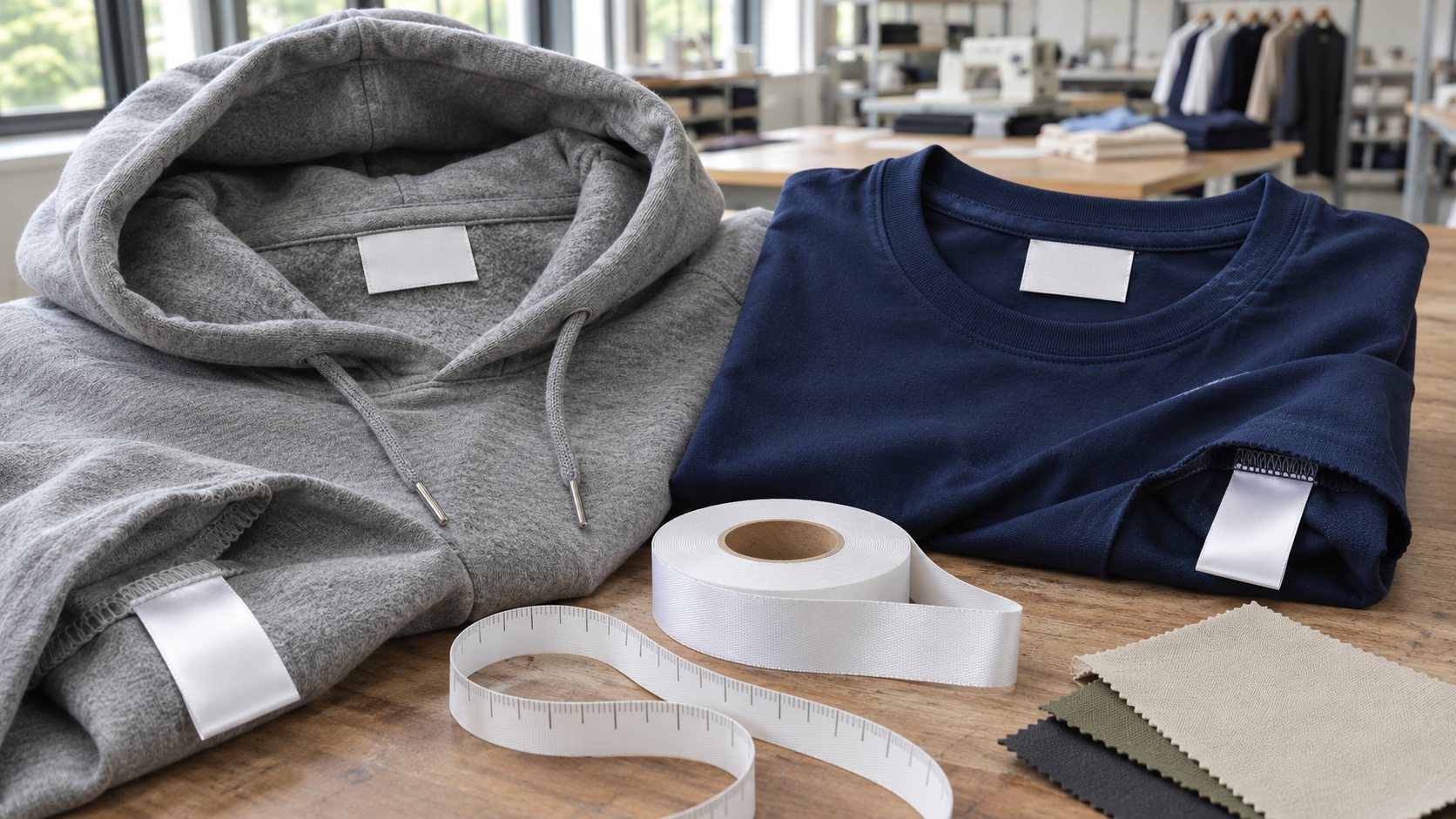
Approve knitwear against a named garment sample and its finished swatch. Check fit and measurements, seam and motif alignment, opening shape, hand, and agreed care results. Record accepted details and open corrections with photos. Then state which approved references and project limits bulk inspection should use. The knitwear manufacturing guide explains how the sample requirements start in the RFQ.
Identify the sample and the decision you are making
Write the style, color, base size, sample stage and version on one approval page. Put the approved yarn and swatch IDs beside it. State what you can approve today and which observations require another sample. Separate a fit approval from the approval of care conditions or a changed yarn. A log with one line per issue helps a supplier keep those decisions together.
Inspect the sweater on a surface and on the wearer
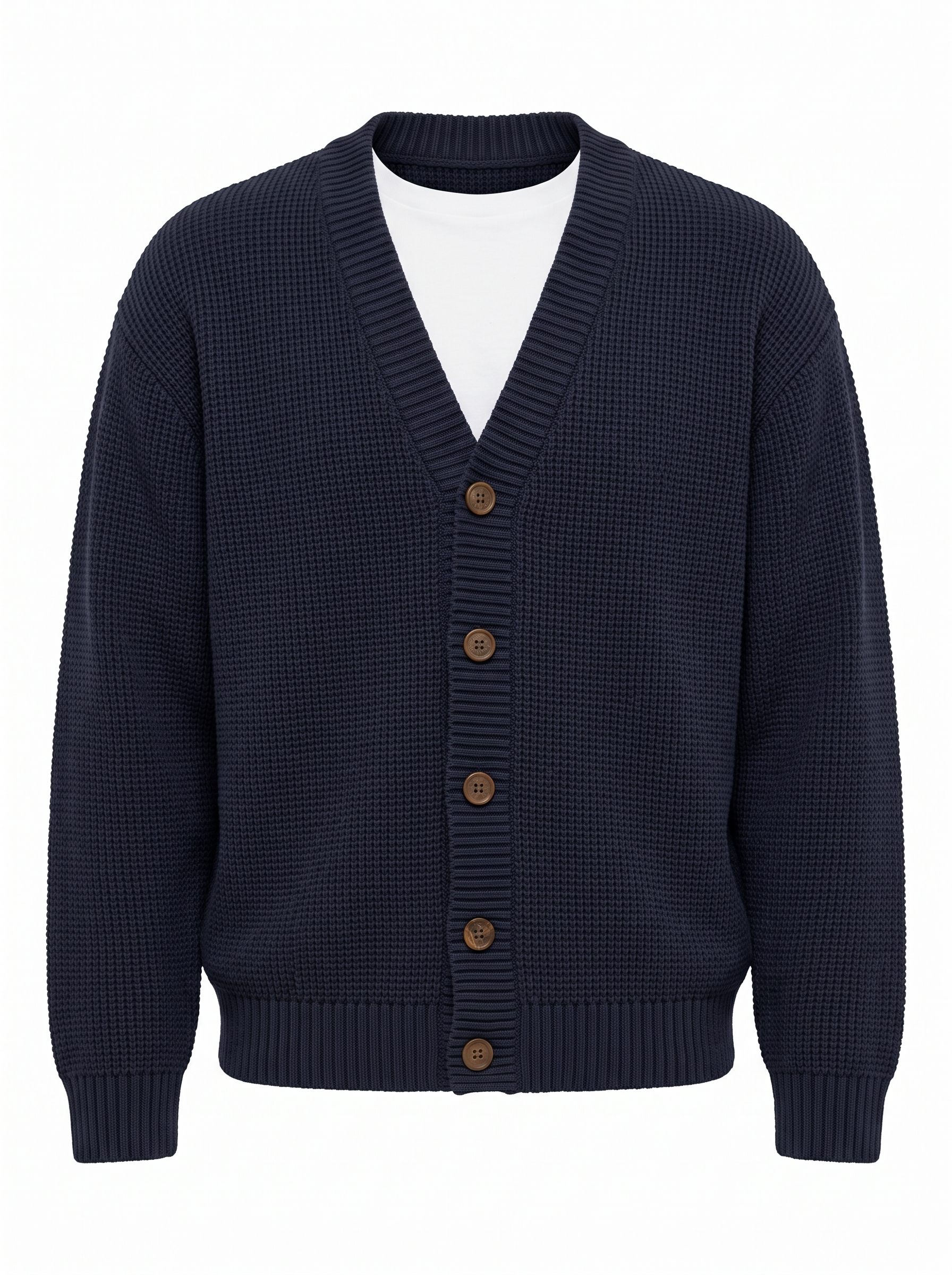
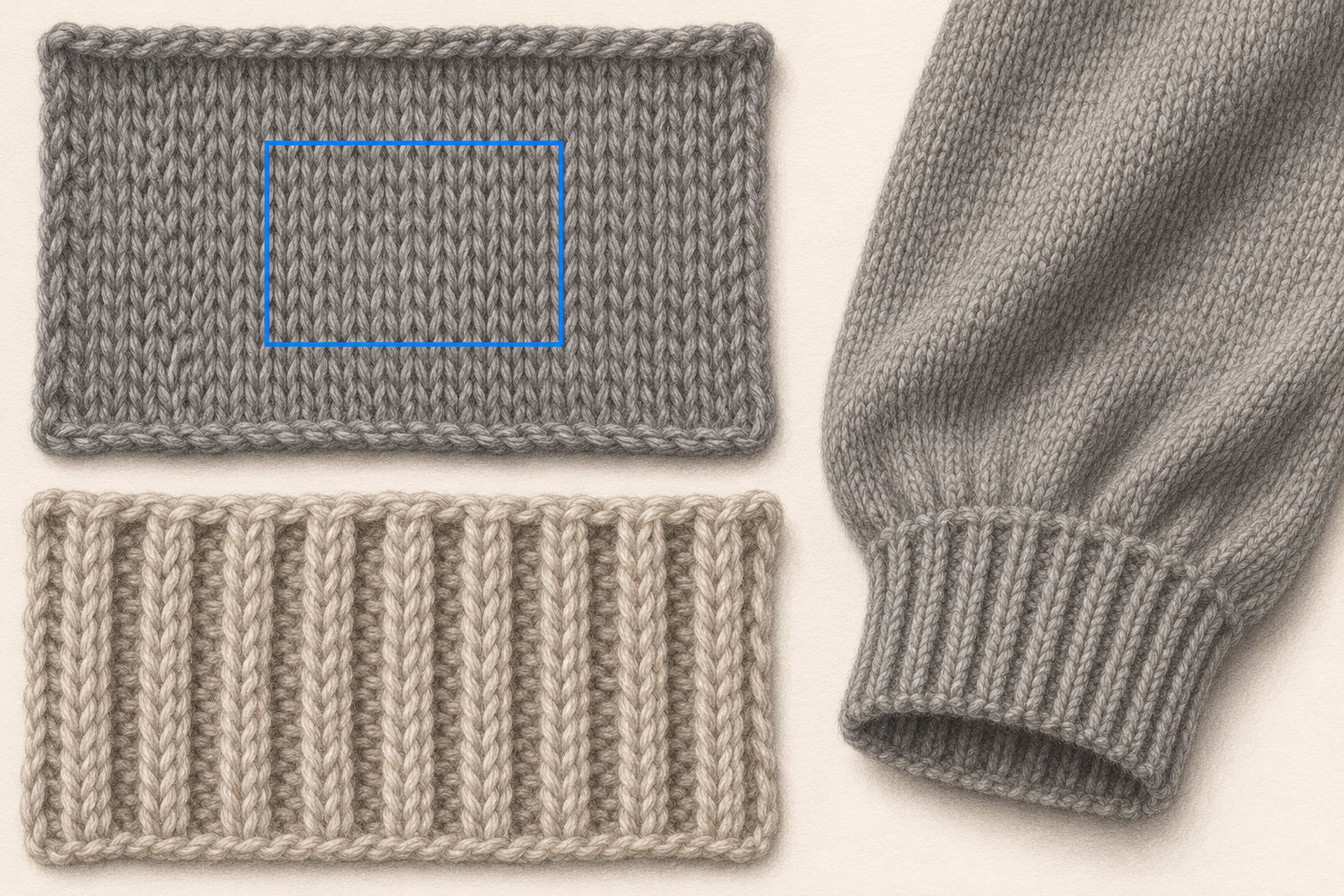
Compare the garment to the finished measurements and look at handle, symmetry and seam appearance. Try on the sample with the intended layer when fit or edge recovery matters. Use the ribbed placket cardigan as a model for checking the edge and closure together. For a style like the textured crewneck, check how the texture meets the set-in sleeve and whether the join keeps the intended shape. ISO 18890:2018 covers garment measuring points and methods, as of November 2026.
| Area | Sample evidence | What to instruct |
|---|---|---|
| Fit | Base size, flat POMs and worn views | Target values and measuring condition |
| Knit and trim | Approved face/back, collar and cuff | How to compare shape and continuity |
| Care | Before and after observations | Agreed treatment and remeasurement |
| Corrections | Photo, location and version | Who approves a revised sample |
Choose the opening and seam styles you need to check from the knitted tops assortment.
Record the agreed care check
Name the sample and mark the dimensions before care. State the agreed treatment and compare the result to the identified pre-care sample measurements and expected appearance. ISO 3759:2011 concerns preparation, marking and measuring for dimensional-change tests. AATCC TM143 concerns specified appearance aspects after home laundering, as of November 2026. If a buyer chooses a method, record its applicability and acceptance targets separately.
Compare approval records with the bulk inspection plan
The core guide selects the construction and approval stages for a knitwear RFQ. This checklist makes each inspection decision traceable. Put a picture reference near the affected measurement so a different inspector can find the same spot. Separate preproduction approval of the style and swatch from the inspection lot. If the bulk lot uses a different color, trim or yarn, confirm which sign-off applies before measuring it.
An acceptance sampling plan needs a defined lot and inspection agreement. ISO 2859-1:2026 gives lot-by-lot sampling schemes indexed by acceptance quality limit, as of November 2026. Have the buyer specify the relevant plan and defect classifications for that program. Use the physical reference for fit and appearance. A sampling-method reference gives the inspection structure rather than a size tolerance or an automatic pass.
Convert sample approval into a bulk reference
For each point, record the target, observed result, decision and action. Put the signed photos, sample and swatch in the same record. Give the bulk team a reference for which colors and sizes the approval covers. If the yarn, trim or construction will change, specify who decides whether the buyer needs another sample.
The knitwear manufacturer guide covers the RFQ and production handoff. Put the approved checklist there along with what the inspection should compare and the decisions still in progress.
Include the signed fit record and care observations in the order file with the tech pack preparation checklist.
Ask NOVITA to review your sample approval record and include the signed swatch and fitting notes.