Ask any apparel sourcing team what is GSM in fabric and you get the same first answer: GSM stands for grams per square metre — the weight in grams of one square metre of knitted or woven fabric. A T-shirt at 180 GSM means the fabric itself weighs 180 grams per square metre, regardless of how large the shirt is. GSM is measured by cutting a certified circular sample (usually 100 cm²) with a GSM cutter, weighing it on a 0.01 g balance, and multiplying by 100. Higher GSM = heavier fabric: thicker hand-feel, more opacity, more yarn consumed, higher fabric cost. This guide explains fabric GSM the way wholesale buyers need it — weights, tolerances and what each number does to your quote.
GSM Is Weight, Not Thickness — The Difference That Matters at Sampling
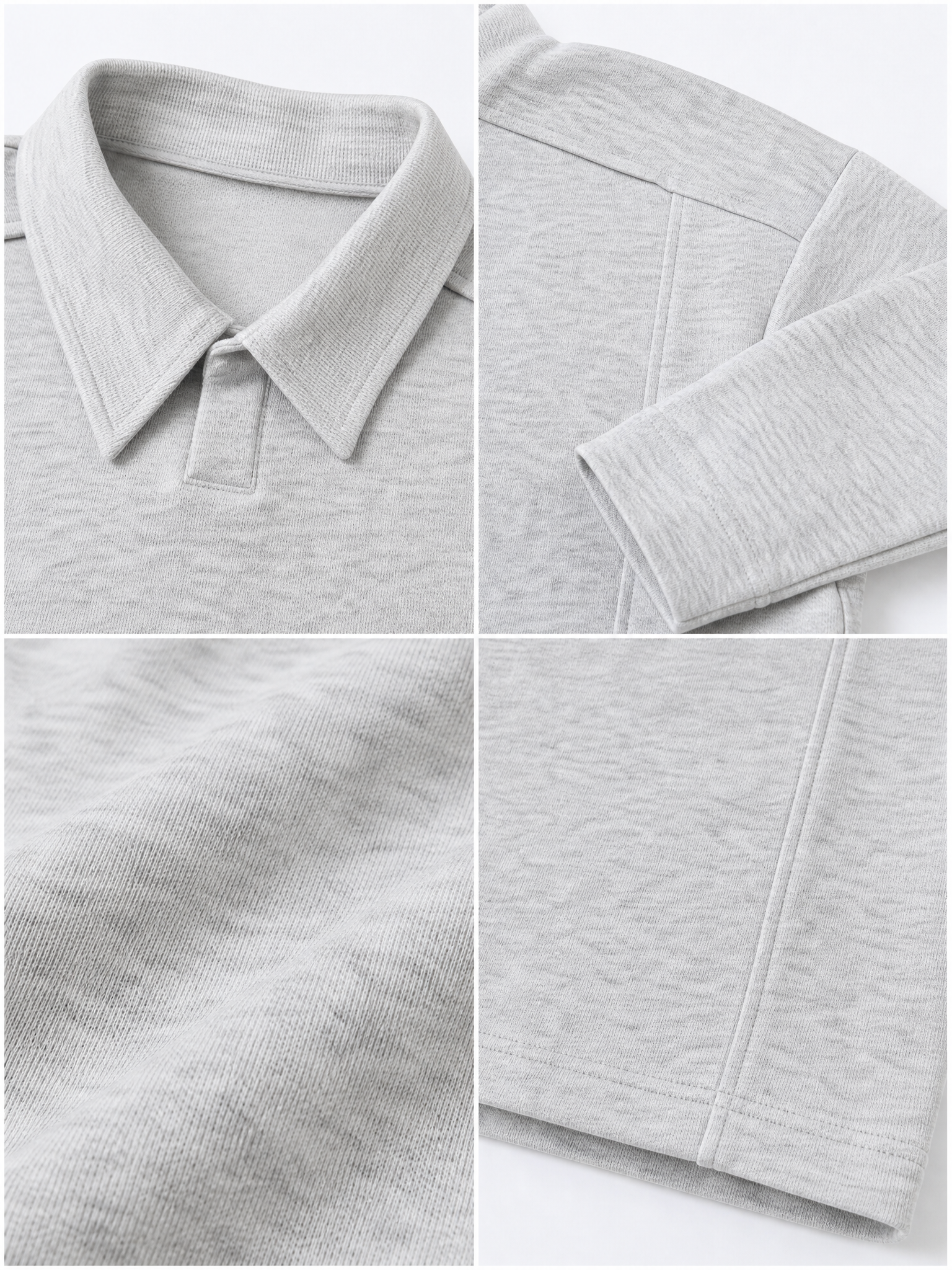
Buyers often use “GSM” and “fabric thickness” interchangeably. They are related but not identical: two knits at 220 GSM can feel different because yarn bulk, knit gauge and finishing change fabric thickness while the weight stays the same. A puffy single-jersey made from bulked yarn will measure thicker than a tight-knit compact jersey at the same GSM. That is why tech packs should state target GSM and hand-feel expectation — and why the physical pre-production sample is the final reference, not a number on a spreadsheet. A fabric that drapes heavy but reads light on the scale is a common cause of bulk rejections. When buyers ask what is GSM in cloth or what is GSM in textiles, the honest answer is: it is a mass-per-area measurement of the fabric, nothing more — softness, warmth and durability need separate specs.
T-Shirt and Polo Fabric Weight Chart
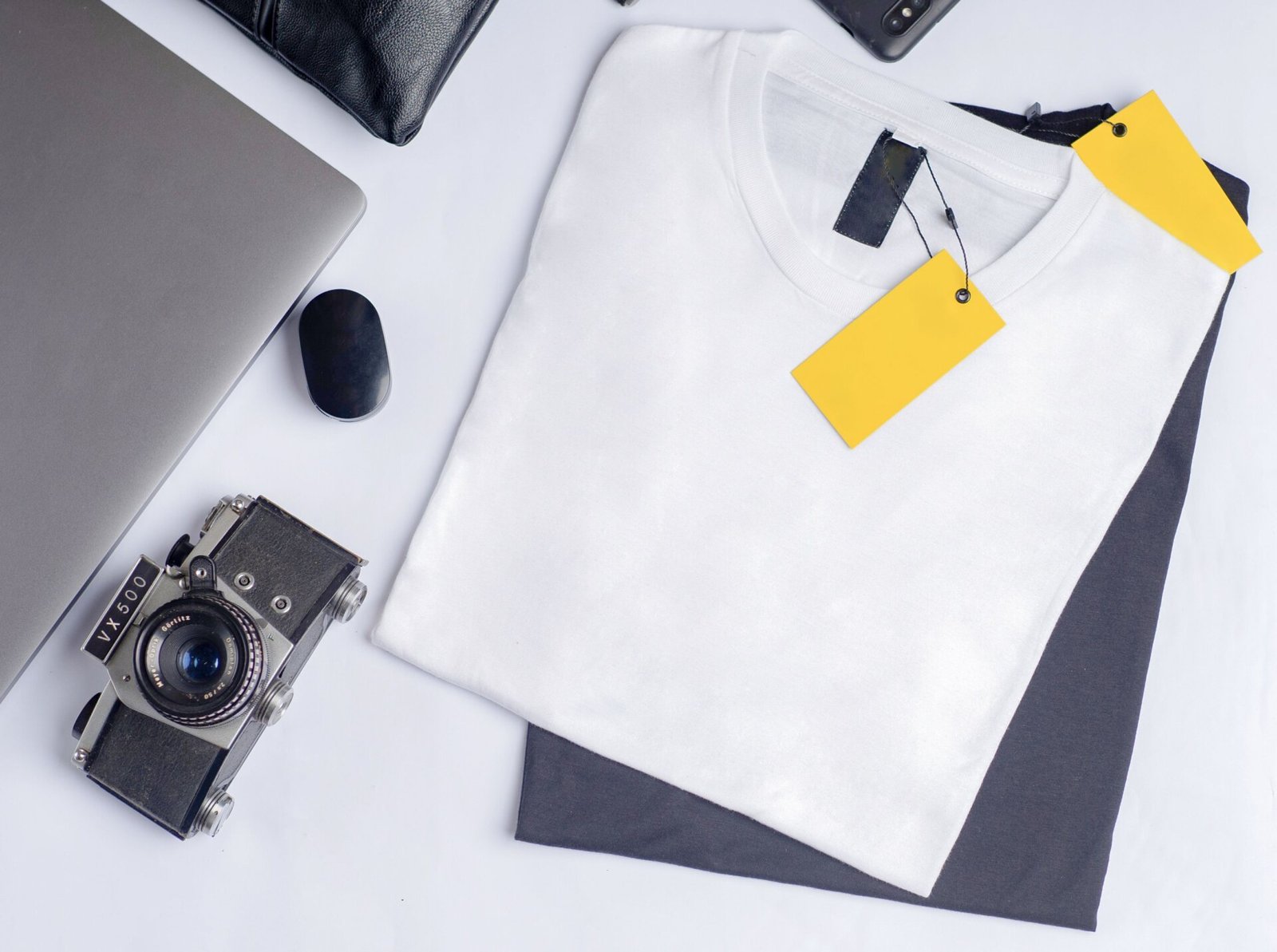
The table below covers the weights our Foshan factory runs most often for men’s casualwear. Use it as a starting point in your custom fabric development, then tune on samples.
| GSM | Approx. oz/yd² | Category | Typical use | Hand feel |
|---|---|---|---|---|
| 130–150 | 3.8–4.4 | Lightweight | Innerwear, summer promo tees, linings | Soft, slightly sheer |
| 160 | 4.7 | Standard | Basic crew tees, warm-weather polos | Light, breathable |
| 180 | 5.3 | Mid-weight | The workhorse: daily tees, printed programmes | Drapey, holds print well |
| 200–220 | 5.9–6.5 | Mid-weight plus | Structured tees, piqué polo bodies | Crisp, more opaque |
| 240–260 | 7.1–7.7 | Heavyweight | Oversized and boxy tees, streetwear blanks | Stiff, substantial |
| 300–400 | 8.9–11.8 | Fleece / loopback | Sweatshirts, hoodies, crewnecks | Thick, brushed or looped inside |
Quick conversion: 1 oz/yd² ≈ 339.1 GSM, so a “6 oz jersey” is roughly 203 GSM. When a supplier quotes in ounces, convert before comparing — this is where fabric weight specs between two quotes often mismatch silently.
Lightweight (130–160 GSM): When It’s the Right Call
Lightweight cotton jersey makes sense for hot-climate retail, layering innerwear and high-volume promotional programmes where unit cost dominates. Expect some transparency on light colours; compact-spun or combed cotton improves coverage. For a factory-direct production line this is the lowest fabric consumption per garment — but in menswear it reads cheap if your brand positions on substance.
Mid-Weight (180–220 GSM): The Menswear Default
If you are ordering your first custom T-shirt run, this is the range to start in. 180 GSM combed cotton jersey balances drape, opacity and print surface; 220 GSM piqué gives polos structure without heat. Most of our reorder programmes live in this band for a simple reason: it photographs well, sews cleanly and consumers can’t fault the weight at mid-market price points.
Heavyweight (240–260 GSM): The Streetwear Block
Heavyweight cotton has become the signature of boxy and oversized fits. The fabric stands away from the body, drop shoulders hold their line, and the garment signals quality on touch. Cost note: a 260 GSM tee consumes ~45% more cotton per garment than a 180 GSM one — the weight is in your fabric cost, not in “better quality” as an absolute. Wash behaviour matters more here too: ask for pre-shrunk fabric and check shrinkage on the first wash sample.
300–400 GSM: Sweats, Fleece and Loopback
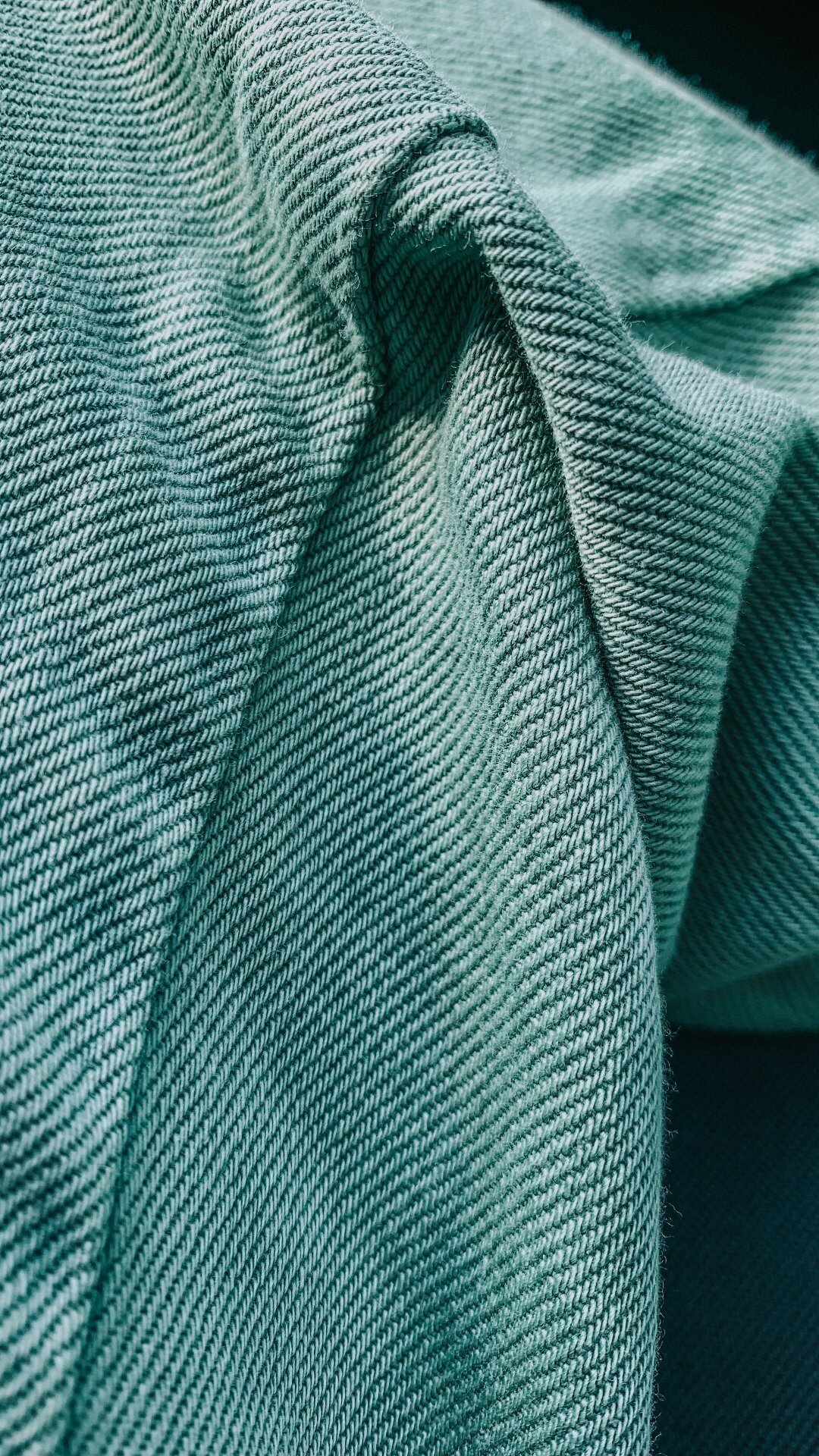
Hoodies and crewnecks sit in their own weight class. Brushed fleece reads heavy but can lose loft after home washes; unbrushed French terry (loopback) gives a cleaner, cooler drape at similar GSM. For private label sweats, pick the inside finish on purpose — brushed for perceived warmth, loopback for durability and summer-weight hoodies.
How Fabric Weight Changes Your Quote (MOQ, Lead Time, Freight)
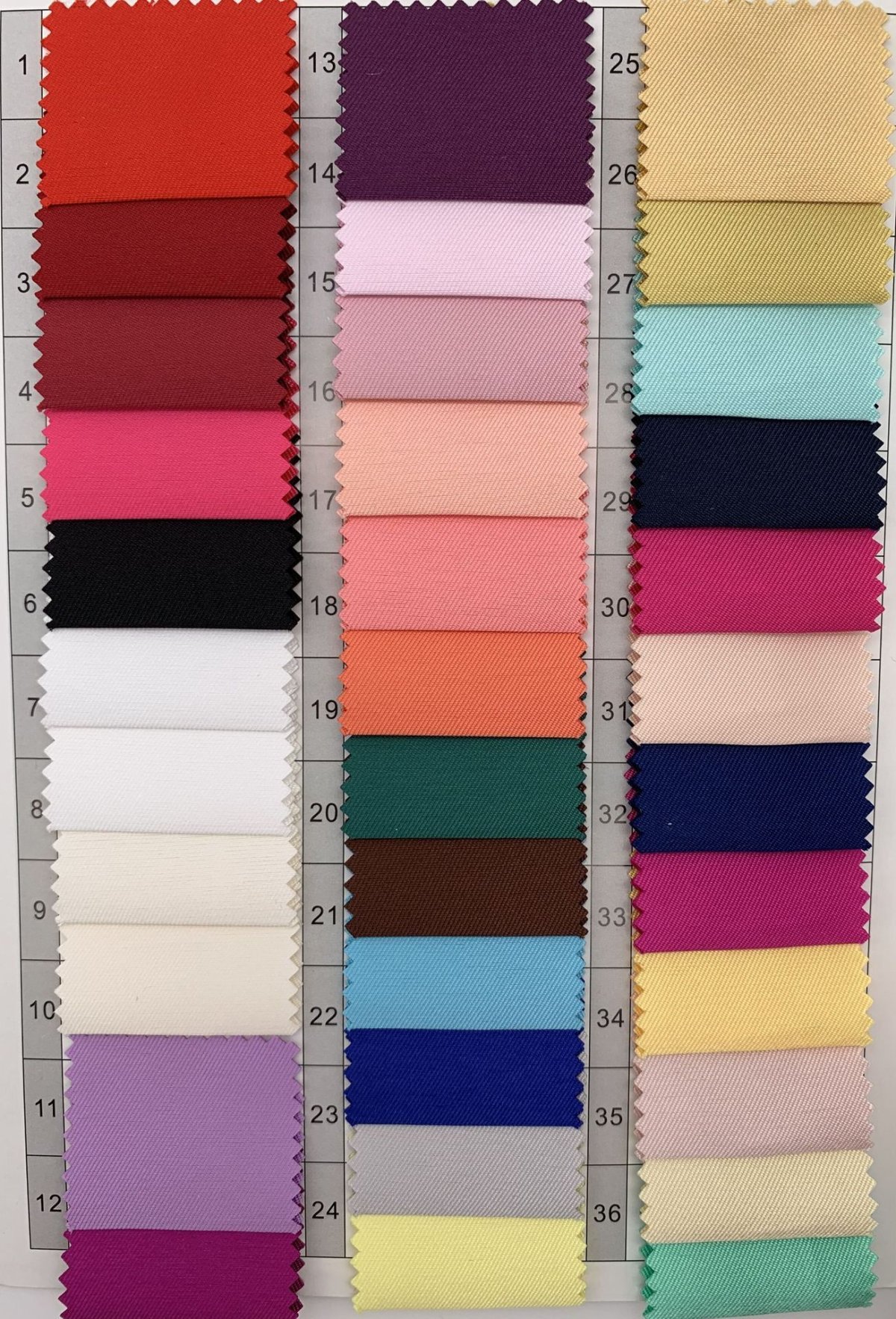
As a China clothing manufacturer, we see GSM affect order economics in four places:
- Fabric consumption: heavier GSM = more yarn per metre. Fabric is 60–70% of an apparel FOB, so the weight number moves the quote directly.
- Mill MOQ: custom-dyeing a heavy compact jersey in small lots can push your minimum order quantity up; in-stock fabrics at 180–220 GSM keep MOQ at 100 pcs per style/color.
- Sampling: heavyweight knits need longer relaxation to control shrinkage — a reason the 7–14 day sample window on structured styles sits at its upper end.
- Freight: a 260 GSM tee ships ~40% heavier per dozen than 180 GSM. For ocean freight this is a rounding error; for express reorders it is real money.
Sensible practice: lock the GSM with the size-set sample, and reconfirm it on the bulk fabric roll. Our incoming check weighs every roll against the approved card before cutting — see the quality control checklist.
Frequently Asked Questions
Is 180 GSM or 240 GSM better for t-shirts?
Neither is “better” — they serve different products. 180 GSM suits breathable everyday tees and printed programmes; 240–260 GSM suits structured, oversized streetwear blocks. Judge both on hand-feel, opacity and your price point, not on the number alone.
What GSM is good quality?
Good quality means consistent, specified weight within tolerance (±5% on knits is a common acceptance band), clean yarn, controlled shrinkage and stable colour. A well-made 160 GSM jersey outperforms a sloppy 240 GSM one. Always put GSM plus tolerance in the tech pack.
How do I convert GSM to ounces?
Divide GSM by 339.1 for oz/yd². 200 GSM ≈ 5.9 oz/yd². US buyers usually think in ounces; Chinese mills quote in GSM — write both figures in the spec to kill the ambiguity.
Can I order a low-MOQ run in a custom heavyweight fabric?
Yes, with planning: in-stock heavyweight options at our Foshan factory carry the standard custom MOQ from 100 pcs per style, per colour. Mill-run custom weights need larger commitments — that trade-off is the core of the MOQ guide.
Ready to spec your fabric weight for real? Send us the GSM target, garment block and quantities — our China clothing manufacturing team replies with MOQ, fabric options and a sample plan within one working day. WhatsApp available for quick questions.