Two pairs of jeans can use similar denim and still look like entirely different products. One may be dark, crisp and uniform. The other may feel soft, show pale areas around the seams and have a worn-in finish across the thighs.
The difference often comes from washing and finishing after the garment is made. If you are developing jeans for a brand or wholesale collection, knowing the common types of denim washes helps you describe the result you want. The name of a wash is a starting point; the finished garment is what you need to specify.
Denim washes at a glance
| Wash or effect | Typical appearance | What to clarify when sourcing |
|---|---|---|
| Rinse wash | Dark shade with limited fading | How much of the original color should remain? |
| Enzyme wash | Softer feel and a controlled, worn appearance | What level of softness and fading is wanted? |
| Stone wash | Uneven fading and visible wear around raised areas | How light and pronounced should the effect be? |
| Bleach wash | Noticeably lighter color, either overall or in selected areas | Should the lightening be even or placed locally? |
| Acid wash | High-contrast, mottled appearance | What pattern and contrast should the sample match? |
| Vintage wash | An aged look created through a combination of effects | Which parts should look worn, and which should stay clean? |
| Whiskering and hand scraping | Faded lines or patches in chosen locations | Where should each effect start and stop? |
These terms are useful for discussing a design, but they do not describe every production step. A “vintage wash,” for example, describes an appearance rather than one fixed recipe. Whiskering and hand scraping are localized finishing effects, not wash types on their own.
What Do “Washed Jeans,” “Light Wash” and “Dark Wash” Mean?
These terms describe how light the finished jeans look. They are a description of the result, not the method used to produce it.
- Washed jeans means the denim has been through a finishing process after the garment was sewn. Almost all retail jeans are washed in some form, even when the shade still reads dark. The purpose can be appearance, softness, shrinkage control, or all three.
- Light wash describes jeans that have been faded noticeably, so the blue reads pale. Indigo has been partially removed or lightened across the garment.
- Dark wash describes jeans that still read close to the original indigo, with fading limited or placed only in specific areas.
The distinction that matters is between a wash level and a wash process. Light, mid and dark are levels — they describe how much colour remains. Rinse, enzyme, stone, bleach and acid are processes — they describe how that result is produced. The same process can deliver different levels depending on concentration, time and the base fabric, and one level can be reached by more than one process.
That is why a brief that only says “light wash” is not enough to sample from. Two suppliers can both produce a light wash and deliver visibly different garments. It is more reliable to give a level, a reference garment or image, and the areas where fading should sit.
How far a fabric can go also depends on the denim itself: indigo shade, weight and stretch all affect the result, which is why fabric and finishing are usually settled together. Our denim fabric guide covers weight and construction, and whiskering on jeans covers the local fading effects that sit on top of the overall level. For a full range, the custom jeans programme develops fit, fabric and finishing together.
Rinse wash: keep the denim dark
A rinse wash is a light treatment used when you want the jeans to retain much of their original dark appearance. The finished garment can feel less rigid than an unwashed pair while keeping a relatively clean, even shade.
It suits styles where the fabric, fit and construction should take the lead: dark straight-leg jeans, workwear-inspired designs or a collection built around a consistent indigo color.
What to tell the manufacturer: Provide a shade reference and say whether you want the seams and edges to remain clean or show slight fading. “Dark wash” alone leaves room for very different interpretations.
Enzyme wash: soften the look and feel
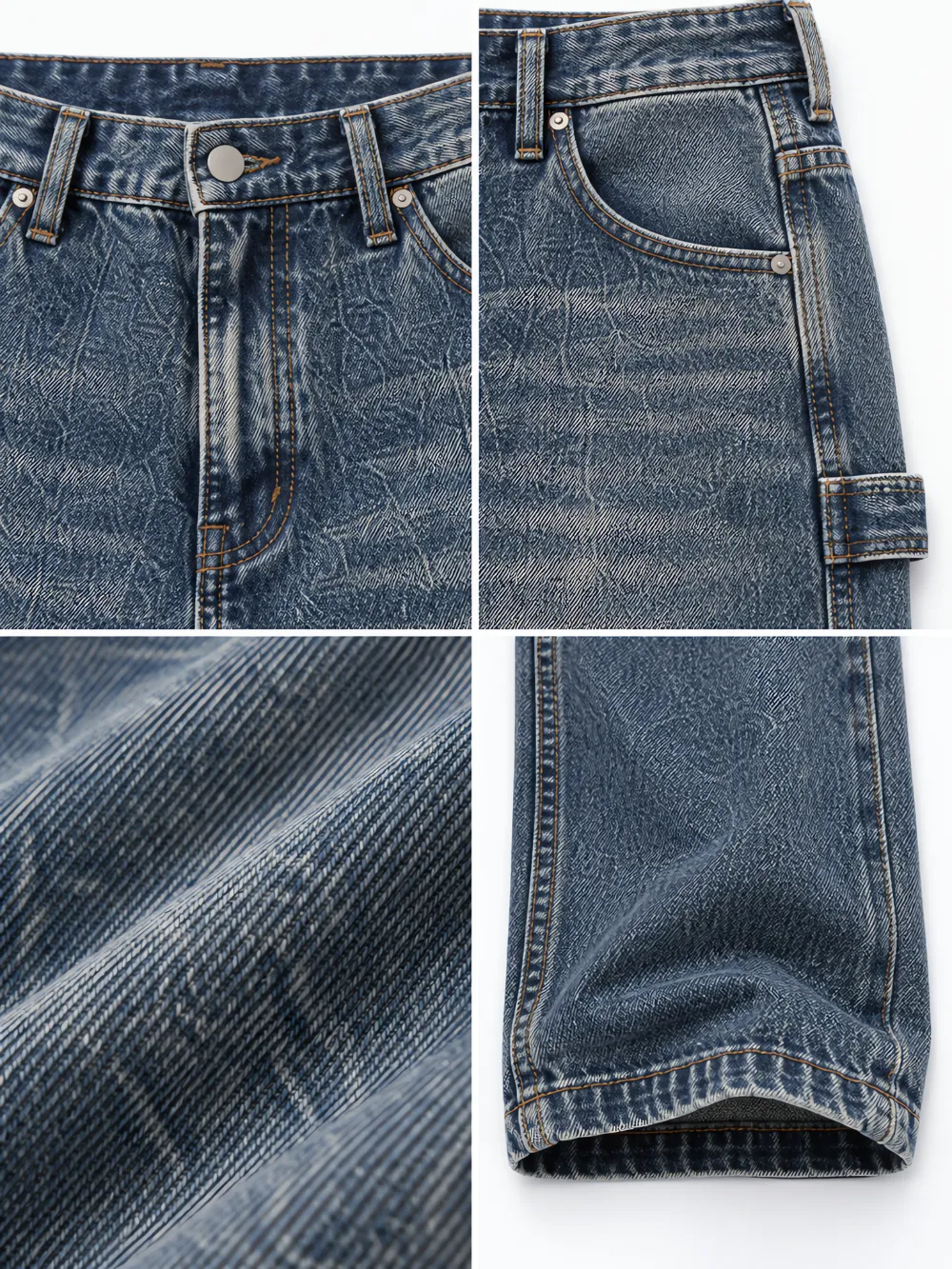
Enzyme washing can soften denim and create a controlled worn effect. The outcome depends on the fabric and the treatment used, so two garments described as “enzyme washed” may still differ in shade and hand feel.
For a buyer, the useful question is how the finished jeans should feel and look. Do you want a soft garment with little visible fading, or a more obvious washed-down appearance?
What to tell the manufacturer: Pair your visual reference with a hand-feel reference if possible. Approve the effect on the actual denim chosen for the order.
Stone wash: create visible wear
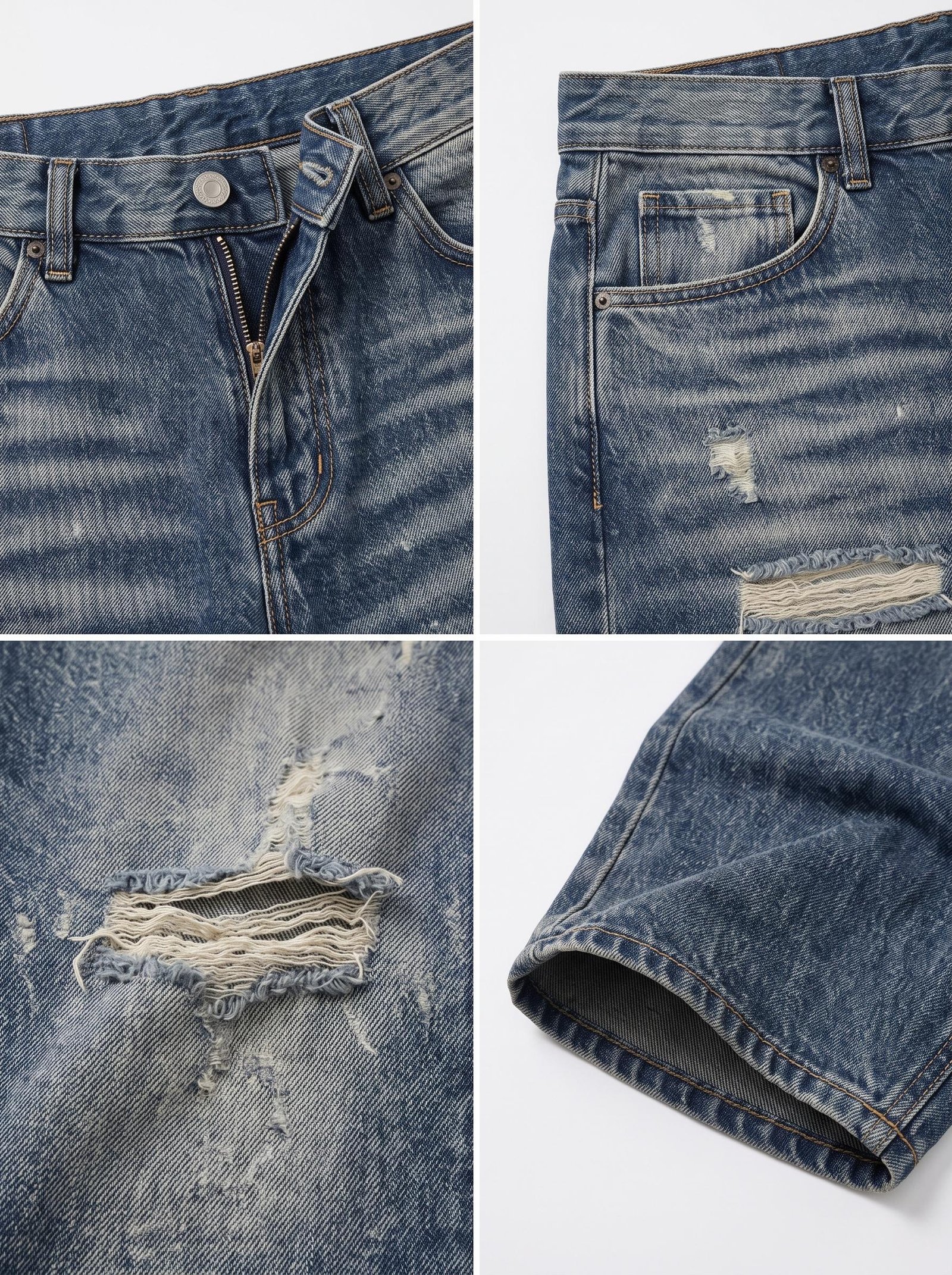
Stone washing is associated with a more worn appearance. Abrasion can make raised areas, seams and edges look lighter than flatter parts of the garment. A subtle stone-washed finish and a heavily faded one will produce very different jeans.
The degree of fading matters as much as the wash name. A reference photo that shows only the front of the jeans may miss important details on the back, pockets, waistband and hem.
What to tell the manufacturer: Mark the areas where fading should be strongest. Include front, back and detail views, and specify whether the finished result should look gently worn or strongly distressed.
Bleach wash and acid wash: decide where the contrast belongs
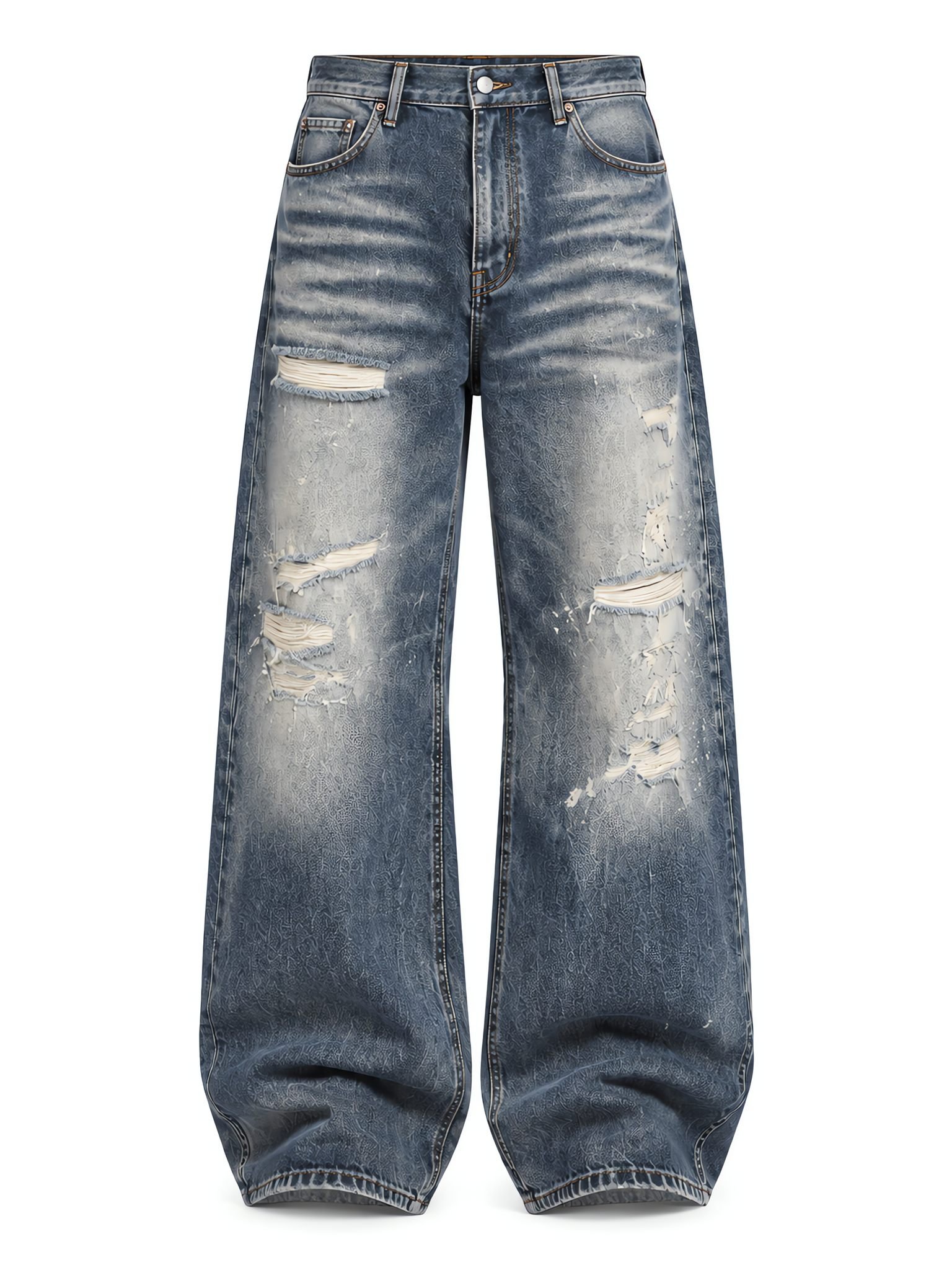
Bleach washing lightens denim. The effect may be applied across a garment or concentrated in particular areas, depending on the intended design.
acid splash and bleach denim jeans is built entirely around this decision — the splash pattern only works if the contrast is placed deliberately.
Acid wash is commonly used to describe a much more irregular, high-contrast look. The pattern is a defining part of the result: one sample may have scattered pale marks, while another may show broad areas of strong contrast.
These names are sometimes used loosely in product descriptions. If the visual pattern matters to your collection, a physical sample or clear annotated images will communicate more than the name alone.
What to tell the manufacturer: Specify the target base shade, the lightest areas, the amount of contrast and whether the pattern should appear across the whole garment or only in selected locations. Ask for a sample on the proposed denim before approving the look.
Vintage wash: specify the effect, not just the mood
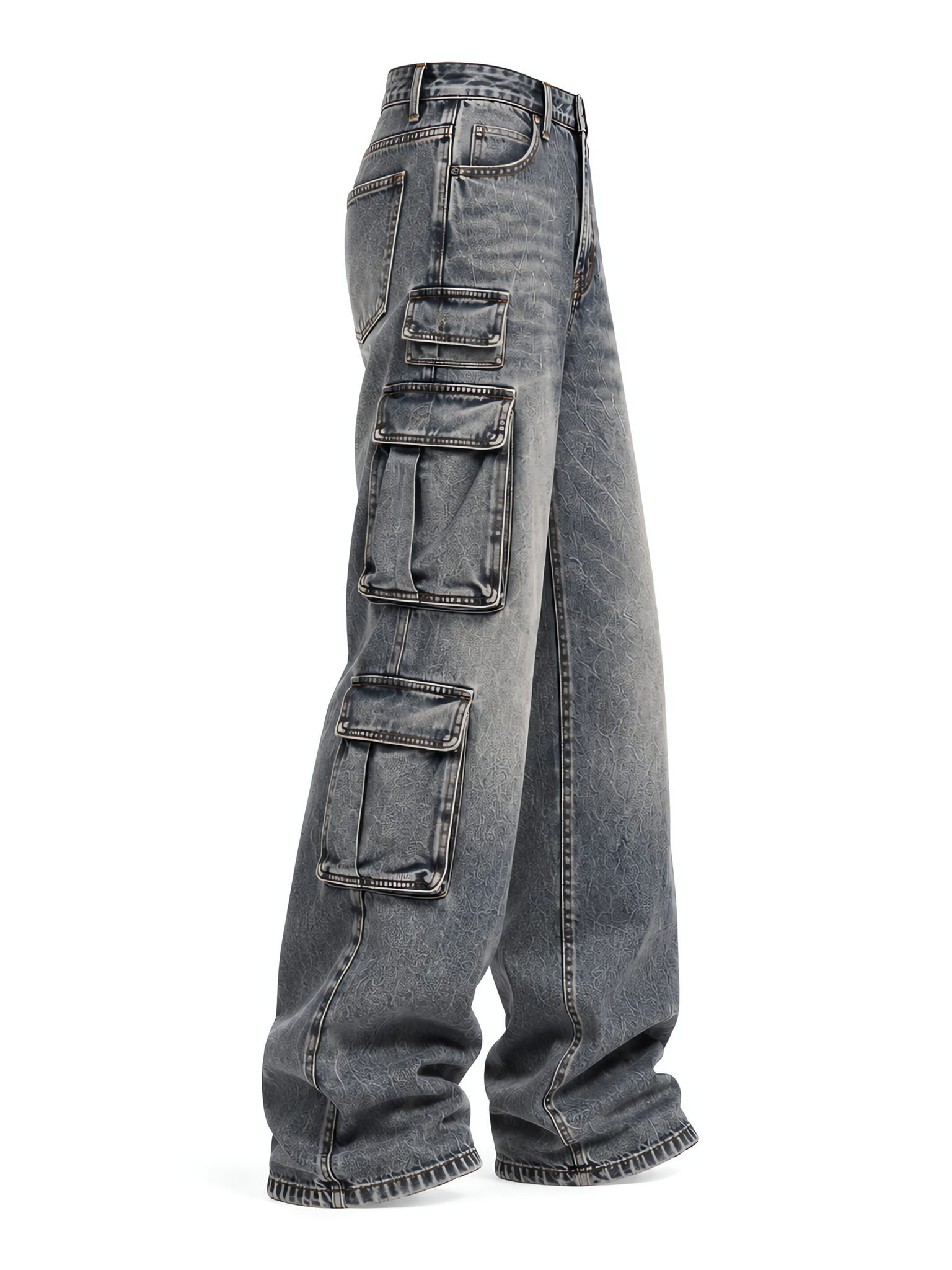
“Vintage” can mean soft, faded and understated. It can also mean strong wear marks, distressed edges and uneven color. There is no single vintage wash that will match every buyer’s reference.
Break the look into visible decisions. Is the overall shade light or dark? Should the thigh and knee be faded? Do you want contrast around the pockets and seams? Should the hem look worn, or stay neat?
What to tell the manufacturer: Identify the two or three details that make the reference garment feel “vintage” to you. Mark any areas that must remain clean. This gives the sample team something more precise to work toward.
Where do whiskering, hand scraping and distressing fit?
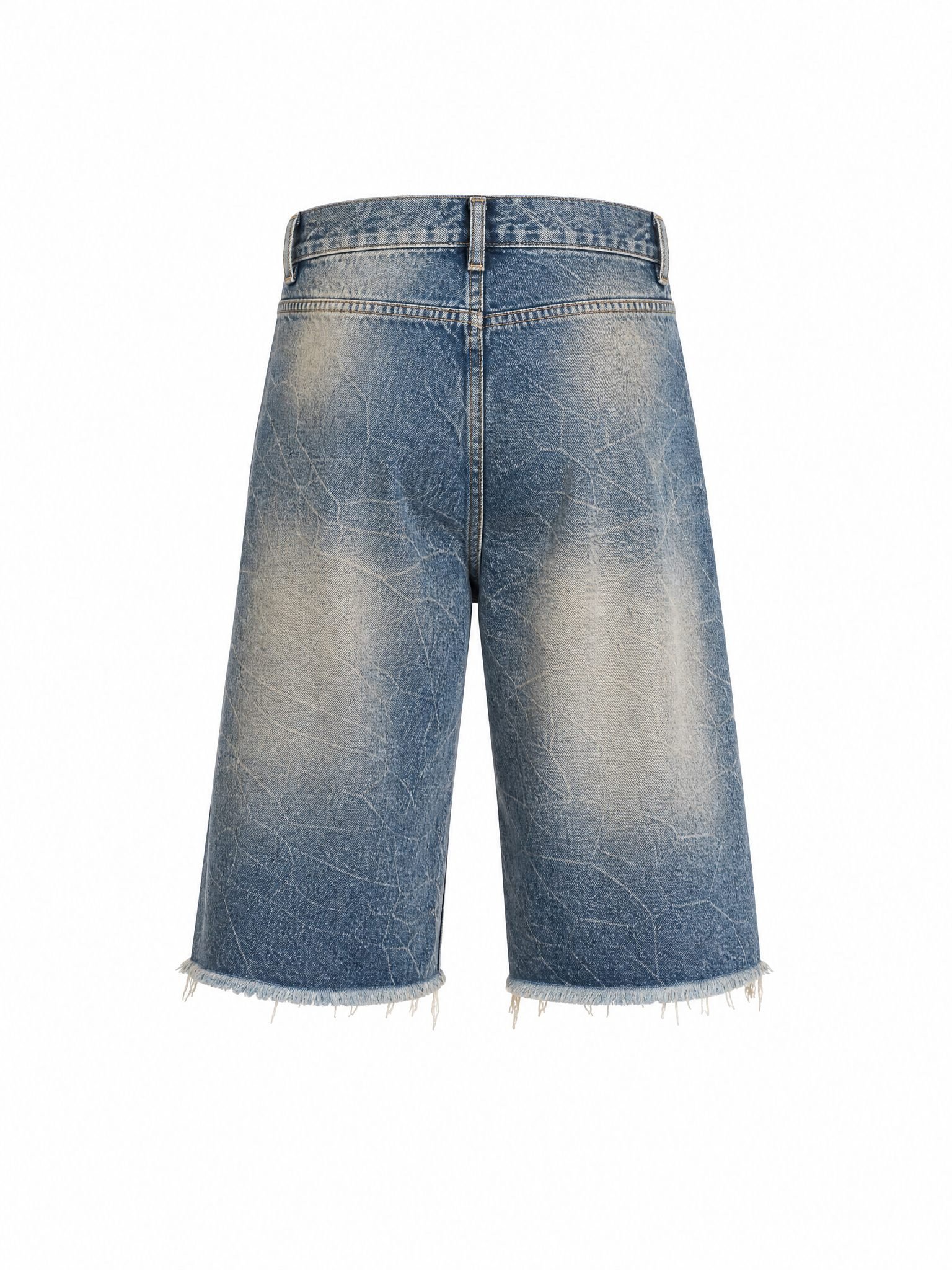
Whiskering refers to faded lines that resemble creases formed through wear, often around the upper front of jeans. Hand scraping creates localized abrasion. Distressing is a broader description that may include abrasion, worn edges or other visible signs of wear. For placement, contrast and sample checks, see our guide to whiskering.
One reference for how far this can be taken is the distressed cuffed denim shorts, where the distressing and the cuff are planned together rather than as an afterthought.
These effects can appear alongside a wash, but they should be described separately in a product brief. Their placement changes the design. Whiskers that sit too low, abrasion that extends too far across the thigh or distressing that is stronger than the reference can make the finished jeans look like a different style.
When reviewing a sample, check the effects on the garment at its intended fit. A placement that looks right on a flat photo may read differently when the jeans are worn.
How to choose a wash for a custom jeans collection
Start with the result your customer should see and feel, then work backward to the treatment.
The same effect also reads differently by silhouette: a wide-leg baggy jean carries a heavy vintage wash differently from a slim or straight leg.
- Choose the base denim. Its color, weight, composition and stretch affect the final appearance and feel.
- Set the overall shade. Decide whether the finished jeans should be dark, medium or light.
- Define the contrast. Should fading be even, concentrated at seams or placed on specific panels?
- Describe the hand feel. A crisp dark jean and a soft worn-in jean need different finished results.
- Mark localized effects. Show the intended position and strength of whiskering, abrasion, bleach marks or distressing.
- Review a finished sample. Check the appearance on the actual fabric and finished garment.
A useful brief might say: “Keep the waistband and back pockets relatively dark. Add soft fading across the front thigh, with light whiskering below the pockets. The overall garment should feel worn in, without holes or heavy abrasion.”
That gives the manufacturer a clearer target than “vintage blue wash.”
What to send with a wash request
A clear wash request does not need to be a long document. It should give the sample team enough information to understand what matters most:
- A physical reference garment, if available
- Front, back and close-up images
- The proposed denim or fabric reference
- Target overall shade and hand feel
- Notes marking where fading or distressing should appear
- Areas that should remain dark or clean
- The intended fit, since finishing and fit must be judged together
NOVITA’s custom denim and jeans manufacturing guide covers the broader decisions to confirm before bulk production, including fabric, finished measurements, trims and sample approval.
Frequently asked questions
Is raw denim a type of denim wash?
No. Raw denim generally refers to denim that has not received the wash or fading treatment used to create a worn appearance. It is a useful comparison point when deciding how much change you want in the finished garment.
Are stone wash and enzyme wash the same?
No. They describe different approaches to treating denim, although a finished look may involve more than one process. When comparing options, focus on the approved shade, softness and visible wear rather than assuming the names guarantee a particular result.
Is whiskering a wash?
Whiskering is a localized fading effect. It can be part of a finished denim design, but it should be specified by its placement and appearance alongside the overall wash direction.
Can a manufacturer match a wash from a photo?
A photo can start the conversation, especially when you mark the details that matter. Lighting and screens can change how a shade appears, so a physical reference and an approved finished sample provide a stronger basis for production.
Develop the look on the finished jeans
The right wash is the one that produces the appearance, feel and fit your collection needs. Use wash names to explore options, then define the result with references and a finished sample.
If you are developing a denim style, explore NOVITA’s custom jeans manufacturing service. Send your design references, target denim, fit and wash direction so the project can be reviewed against the garment you want to make.