
To compare custom T-shirt manufacturing costs, first confirm that each supplier has priced the same garment revision and order split. Then separate recurring unit charges from development, setup and delivery costs. A cheaper line item is useful only when you know what it includes.
This guide starts after suppliers have replied to your brief. It gives buyers a way to reconcile different quotations, identify missing charges and record a decision. For the production stages behind the quote, use our T-shirt manufacturing process guide.
Match the garment revision before comparing prices
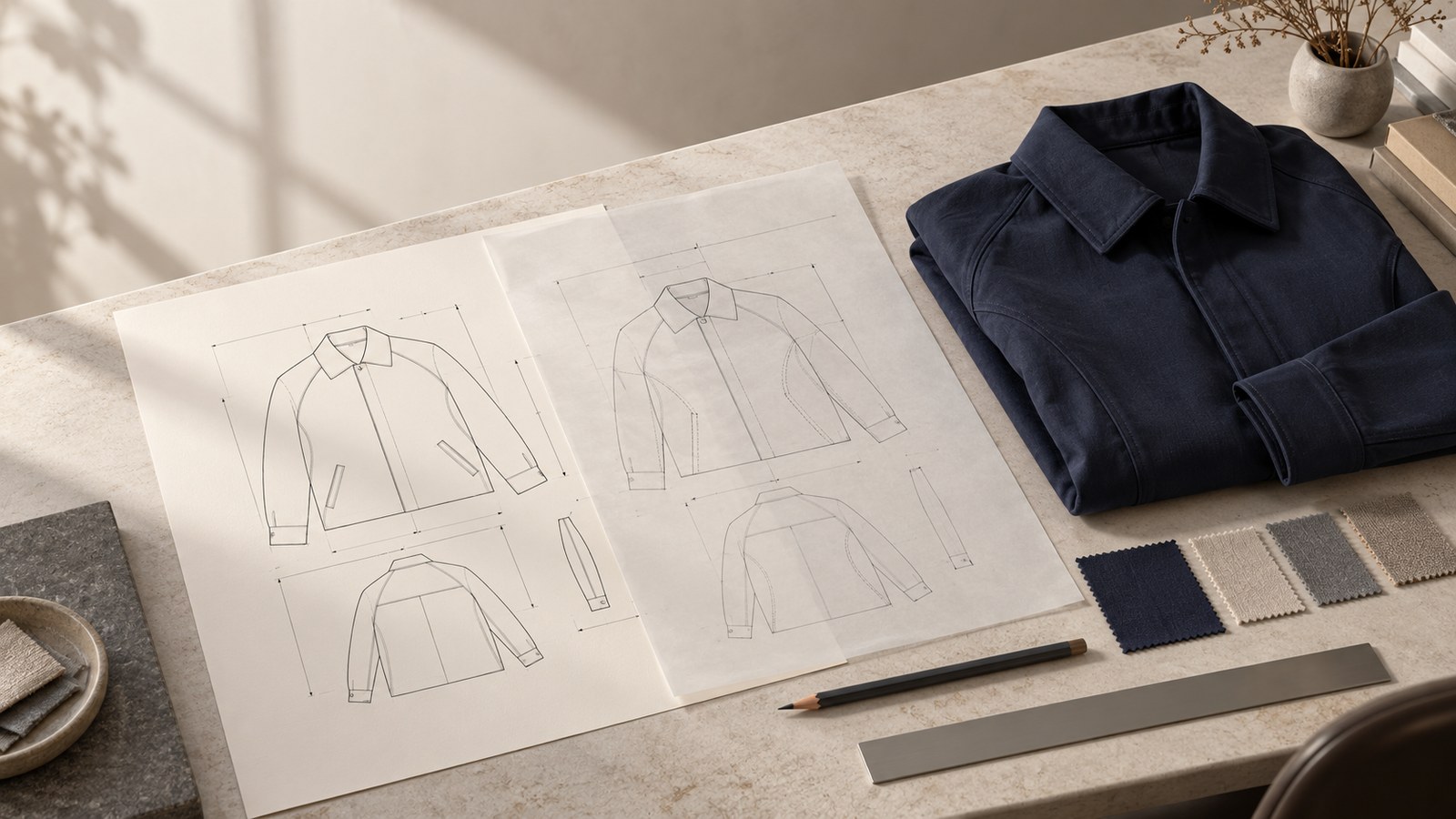
Put the same style code, specification version and quote date at the top of every comparison column. Check the actual supplier reply against that reference. A quotation based on a different fabric or an earlier artwork file belongs in a separate option column. A tech pack preparation checklist can keep those revisions traceable.
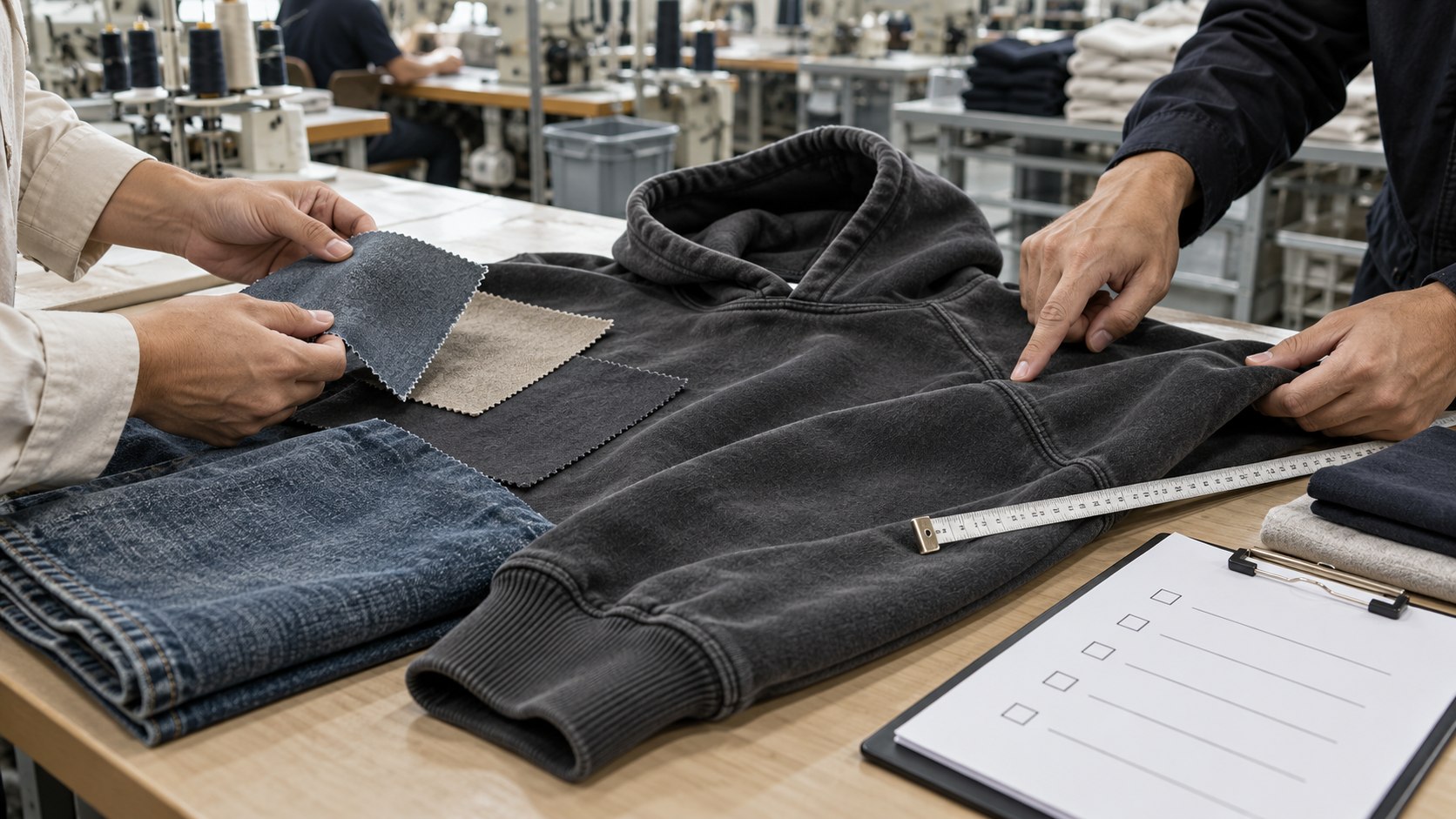
Read the reply in the order the garment is defined: fabric composition and finished GSM; fit and size range; construction; decoration and wash; labels and packing. A shared description such as “heavyweight cotton tee” leaves too much open. Two suppliers may use those words for different knit weights, blocks and finishes.
NOVITA’s 260 GSM oversized boxy T-shirt is a concrete specification reference. Its published program combines a drop-shoulder shape and back puff print, with a minimum of 100 pieces per color and mixed sizes allowed. Use those details together when discussing that program. A quote for a plain shirt at the same GSM would describe a different deliverable.
Separate unit charges, setup fees and conditional credits
Make one row for each charge and record whether it is included in the unit price, billed separately, or still unconfirmed. This prevents the same print setup or label charge from being counted twice.
Sample development and bulk production need separate entries. Ask whether the sample fee covers one submission or any specified revisions, and whether a credit applies to the bulk order. Record a credit only after the supplier confirms its amount and conditions. A possible refund is still an open question.
For decoration, check whether the quote names the artwork revision, print size and placement. If one supplier has priced a different technique, request a corrected base quote before comparing the amounts. Keep that supplier’s proposed technique as a separately identified alternative if you want to evaluate it.
Calculate a comparable order cost without double counting
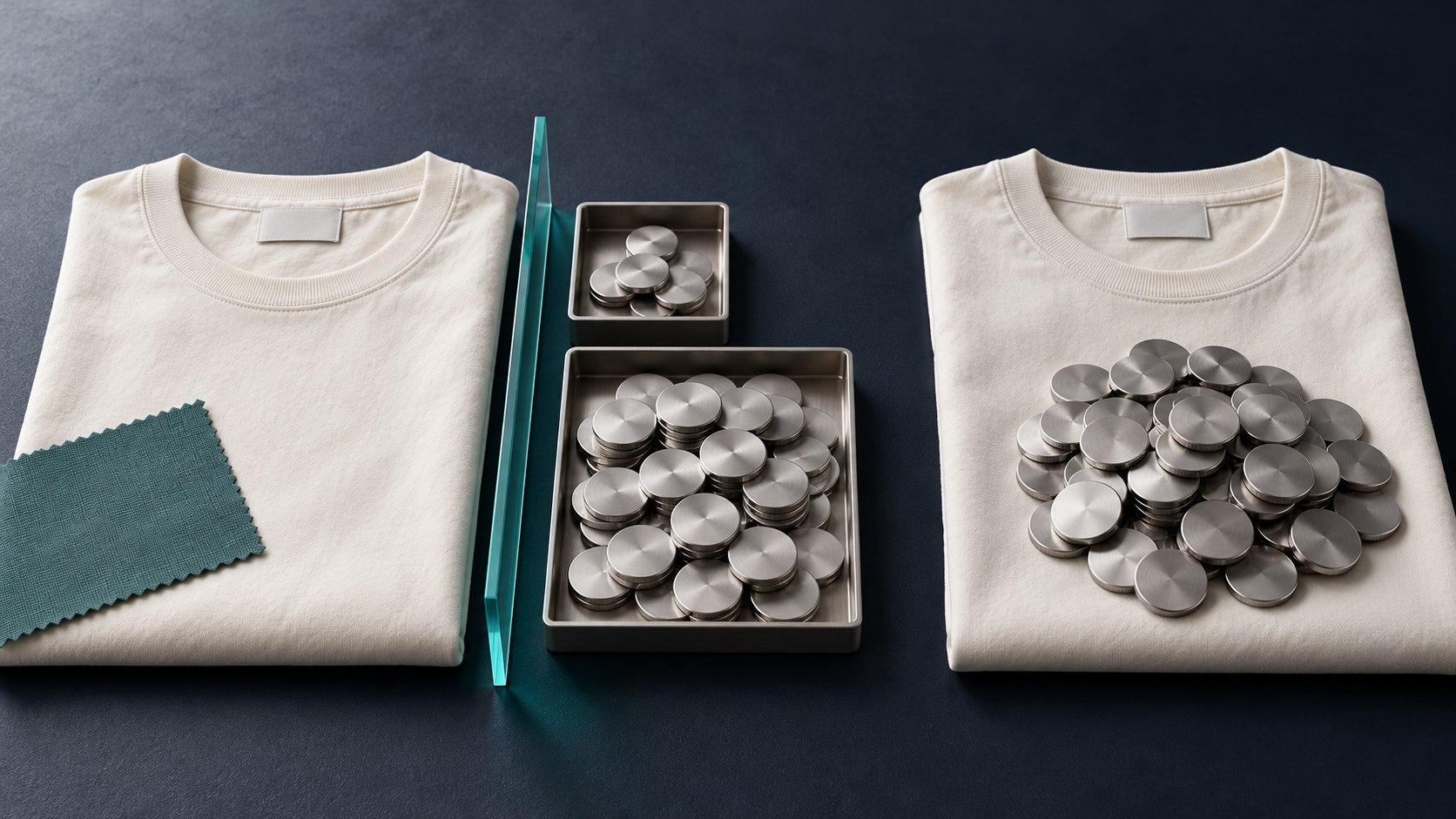
For one unchanged style and quantity, use a simple arithmetic check: comparable factory order cost = unit price × ordered units + confirmed separate charges − confirmed credits. Divide that total by the same ordered quantity if you need an effective per-piece figure.
The calculation uses supplier-confirmed amounts. If a charge is already included in the unit price, do not add it again. Record the currency and quote validity date beside the result. Leave an unknown fee as “pending”; entering zero would make an incomplete quotation appear cheaper.
Keep first-order and repeat-order comparisons separate. Pattern development or artwork setup may be charged on the first order and treated differently on a repeat, but that depends on the supplier’s written terms. Ask what must remain unchanged for a repeat price to apply, including fabric, artwork and order split.
This is an arithmetic framework, not a NOVITA price estimate. It does not calculate freight, tax or import charges unless you deliberately add those items using confirmed information on the same basis for every supplier.
Check quantity breaks against your actual color split
Compare the quantities you can buy in each color. A supplier’s attractive price at a larger order quantity may require a different purchasing decision from the one your brand planned.
For the NOVITA reference above, check the applicable minimum per color before accepting a quantity option. Record the size distribution within each color as well. A headline order total does not show whether the individual color quantities meet the program’s minimum.
Ask for a separate quote when the split changes. Do not multiply a price offered for one color by a mixed-color total and assume that the result is valid. Confirm whether additional fabric colors, print variations or packaging assortments change the terms.
Put both total cash outlay and effective per-piece cost in your comparison. A lower per-piece amount can still require a larger upfront order. Your decision needs to account for the extra inventory as well as the quoted rate.
Use a worksheet that exposes differences
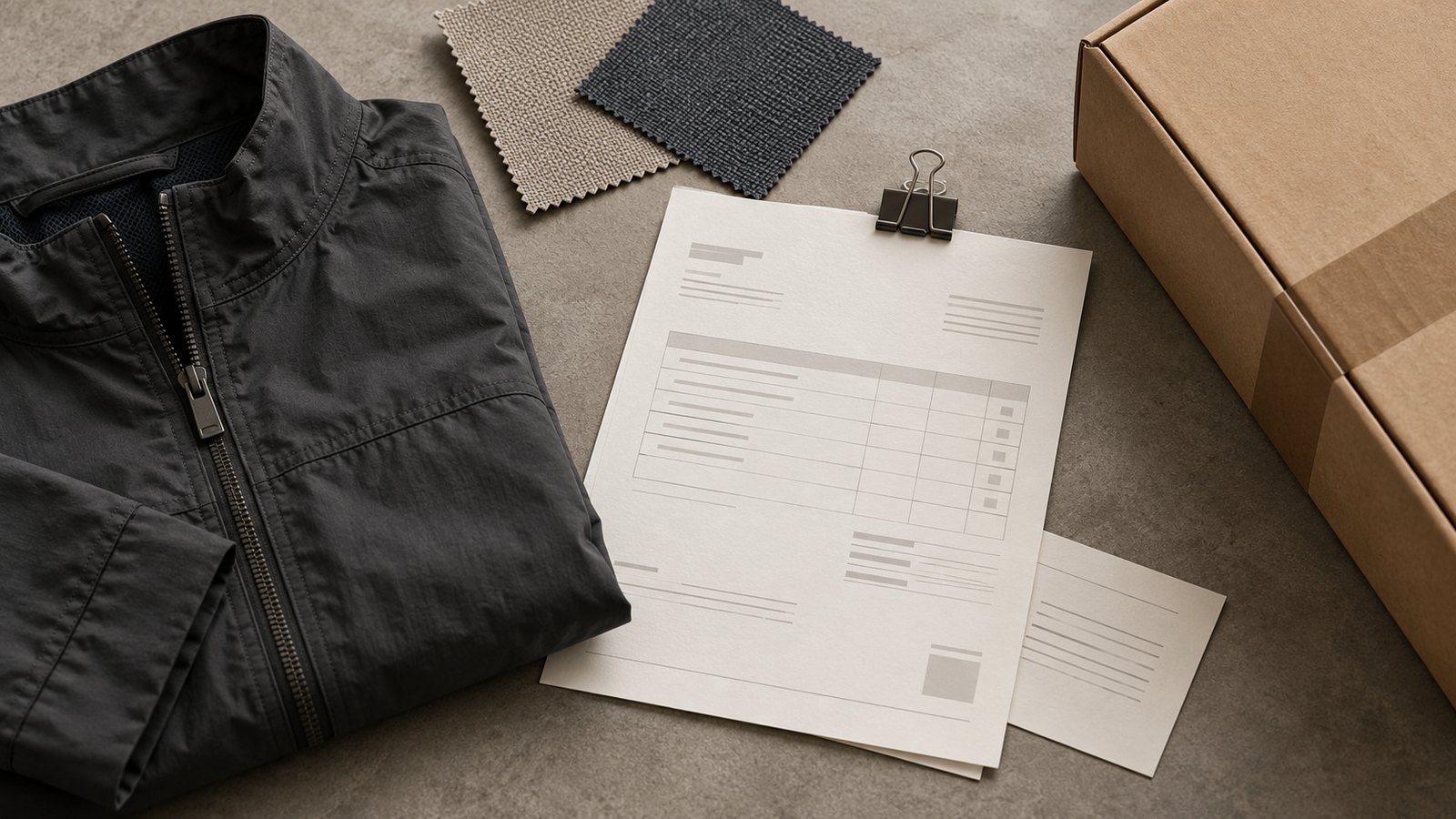
Copy the fields below into your sourcing file. Link each answer to the quotation or written clarification that supports it. Add the supplier’s confirmed amount only after the scope is clear.
| Comparison row | What to record | When to hold the comparison |
|---|---|---|
| Garment reference | Style code, specification revision, fabric and finished GSM | Supplier used a different revision or substitution |
| Quantity basis | Units by color and size; quoted quantity break | The offer depends on a split you have not approved |
| Unit charge | Currency, amount, decoration and packing inclusions | Inclusions are missing or ambiguous |
| Separate charges | Sample, pattern, artwork, label or other confirmed fees | A required item is still unpriced |
| Credits | Confirmed amount, trigger and application date | Refund or deduction is only a possibility |
| Delivery basis | Named trade term and place; freight responsibilities | Quotes stop at different delivery points |
| Validity and next step | Expiry date, approvals needed, owner of each open question | The offer has expired or a condition remains unresolved |
Mark each quotation “comparable,” “alternative specification,” or “awaiting clarification.” These are proposed buyer workflow labels. They keep an unapproved substitution visible when you discuss price.
Resolve delivery and sample conditions before selecting
Factory price and landed cost cover different scopes. Before comparing the T-shirt unit cost, use our fabric consumption calculation guide to review the material basis. If freight, insurance or destination charges are excluded, show that boundary beside the factory total. Request current logistics information before building a landed-cost comparison; an old shipping estimate can obscure a difference between otherwise equivalent offers.
Check what starts the production lead time. A quotation may depend on material confirmation, sample approval or another written condition. Record the condition and the supplier’s stated timing together so the purchasing team can compare feasible delivery plans.
When a revised quote arrives, retain the previous version and explain the change. Separate the effect of a new garment specification from the effect of a changed commercial offer. Otherwise, the team may approve a saving that came from removing a requirement it still needs.
Send the unresolved rows back to NOVITA
Choose the relevant style from our custom T-shirt range and identify the measurements, material and decoration differences to carry into the quotation.
Send the relevant specification version and a short list of open items: the fabric reference, quantity split, decoration inclusion, separate fees or delivery basis that needs confirmation. Keep any alternative fabric or finish clearly identified so it can be reviewed as a sample decision.
If you have not sent the initial brief yet, start with the clothing manufacturing RFQ checklist. If you already have a reply, contact NOVITA with the quotation reference and unresolved rows. The next useful step is a written clarification tied to the garment you intend to order.