OEM / ODM / Private Label Manufacturing
China Clothing Manufacturers
NOVITA is a men’s clothing manufacturer in China supporting OEM and ODM projects through a factory-direct apparel supply chain — our own garment factory in Foshan, Guangdong handles cutting, sewing, finishing and packing, while Changsha Novita International Trade Co., Ltd. handles international sales, contracts, USD payments and export coordination. Clear English communication, standard custom MOQ is 100 pcs, with the order breakdown confirmed by project, samples in 7–15 days, shipping to more than 50 countries.
- Factory Operations Since 2006
- Standard custom MOQ: 100 pcs; confirm the order breakdown by project
- Sample Lead Time: 7–15 Days
- OEM / ODM / Private Label Support
Written by the NOVITA production & export team
Why Brands Source Apparel Manufacturing From China
Clothing manufacturers in China compared with nearshore and reseller options — see also how to find clothing manufacturers in China and how to choose a reliable one
China holds the deepest apparel supply chain in the world: fabric mills, yarn spinners, trim makers, print/embroidery shops and laundries within a few hours’ drive of each other. For men’s casualwear buyers, that density is what makes small-batch custom production — a standard custom MOQ of 100 pieces rather than 1,000 — commercially possible. A factory-direct program keeps the margin at the machine, not at a middleman’s desk.
| What buyers weigh | China factory-direct (NOVITA) | Nearshore / local workshops | Marketplace “manufacturers” |
|---|---|---|---|
| Standard custom MOQ | 100 pcs standard | Often 50–300, at higher unit cost | Platform minimums |
| Fabric & trim development | Mill-direct yarn/fabric choices, custom dyeing | Limited stocked materials | Fixed catalog materials |
| Washes, prints & embroidery | In-house washing, printing and embroidery | Confirm processing arrangements with the supplier | Confirm processing scope and pricing |
| Reorder lead time | Fabric already milled for you, lines scheduled per order | Fast freight, tight capacity | Stock only |
| Payment & documents | USD payments and export documents handled by Changsha Novita International Trade Co., Ltd. | Domestic invoicing | Platform terms |
NOVITA column = our confirmed program terms; other columns describe common market patterns — always verify any supplier’s exact terms in writing.
What Our China Factory Manufactures
Browse our core product ranges and confirm the specification for your order
Our published product ranges cover the eight categories below. Each order is reviewed against its fabric, construction, fit and branding requirements. We do not manufacture womenswear, childrenswear, footwear, hosiery, underwear, swimwear or costume.
The category decides the whole project: fabric, grading and machine set-up all change between families. Send your category with the enquiry and we confirm the route in the first reply.
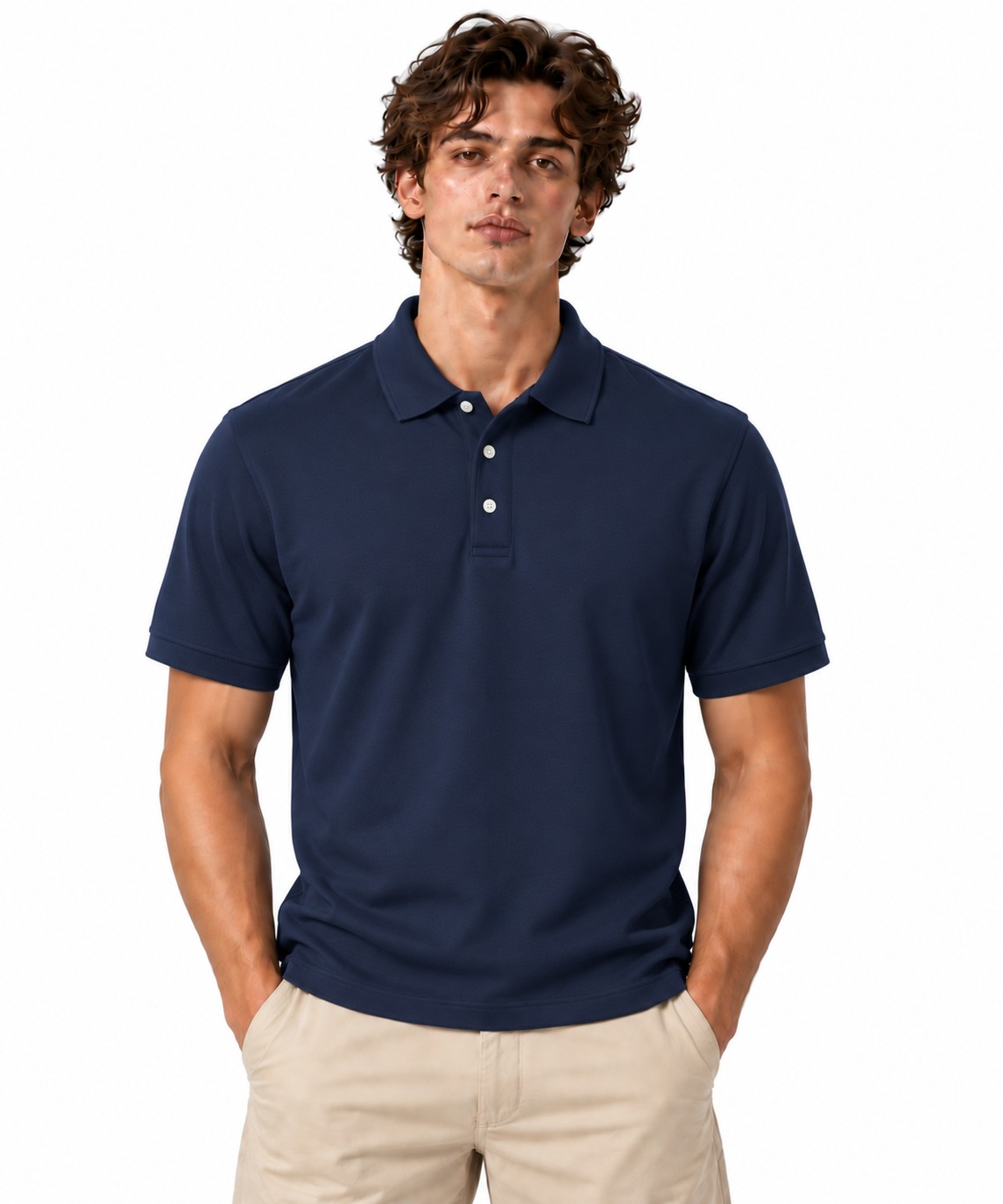
Polo Shirts
Piqué & mesh knits, tipped collars, chest embroidery, woven labels.
Standard custom MOQ 100 pcs
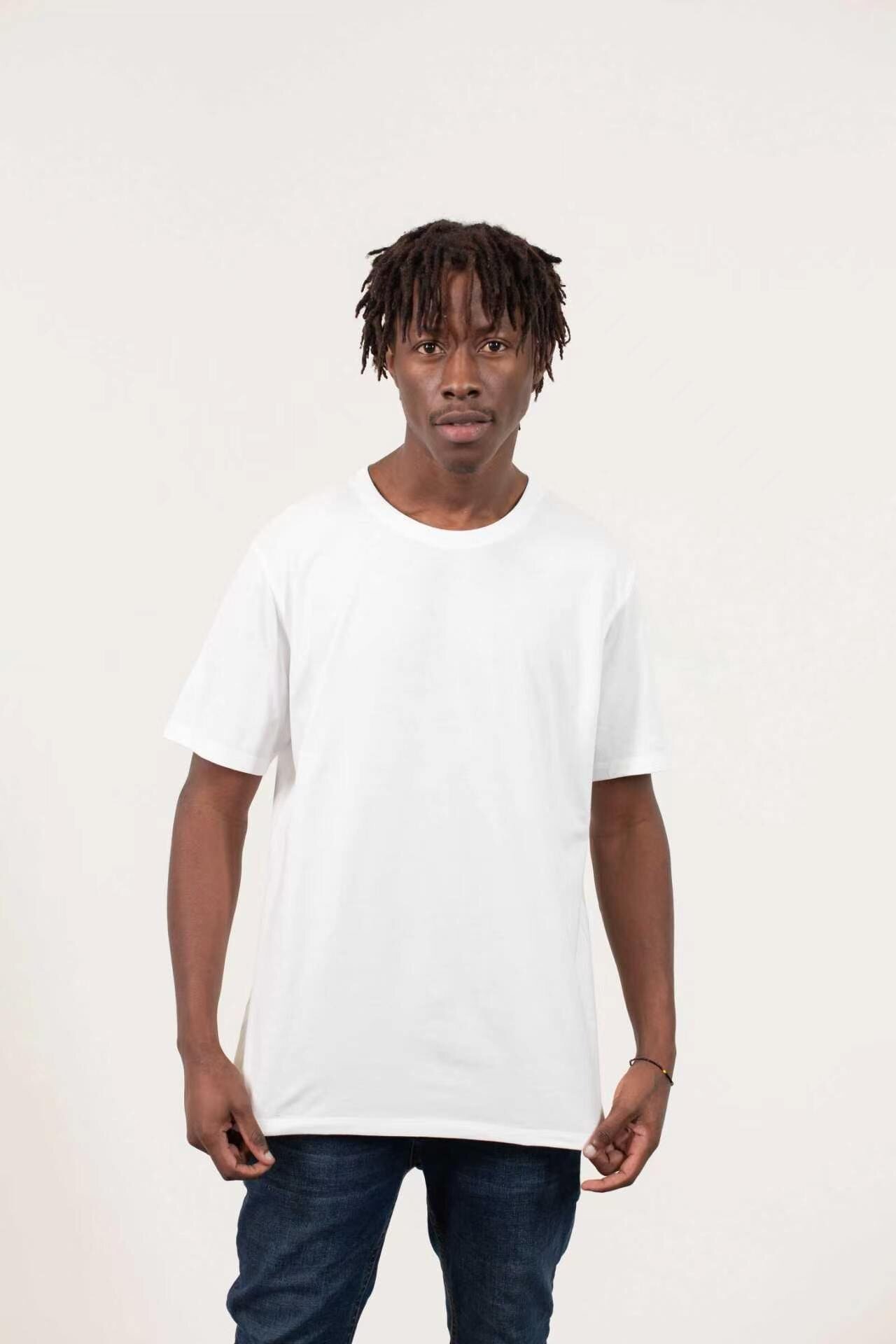
T-Shirts
160–260 GSM cotton jersey; boxy, oversized & classic fits; screen, puff & digital prints.
Standard custom MOQ 100 pcs
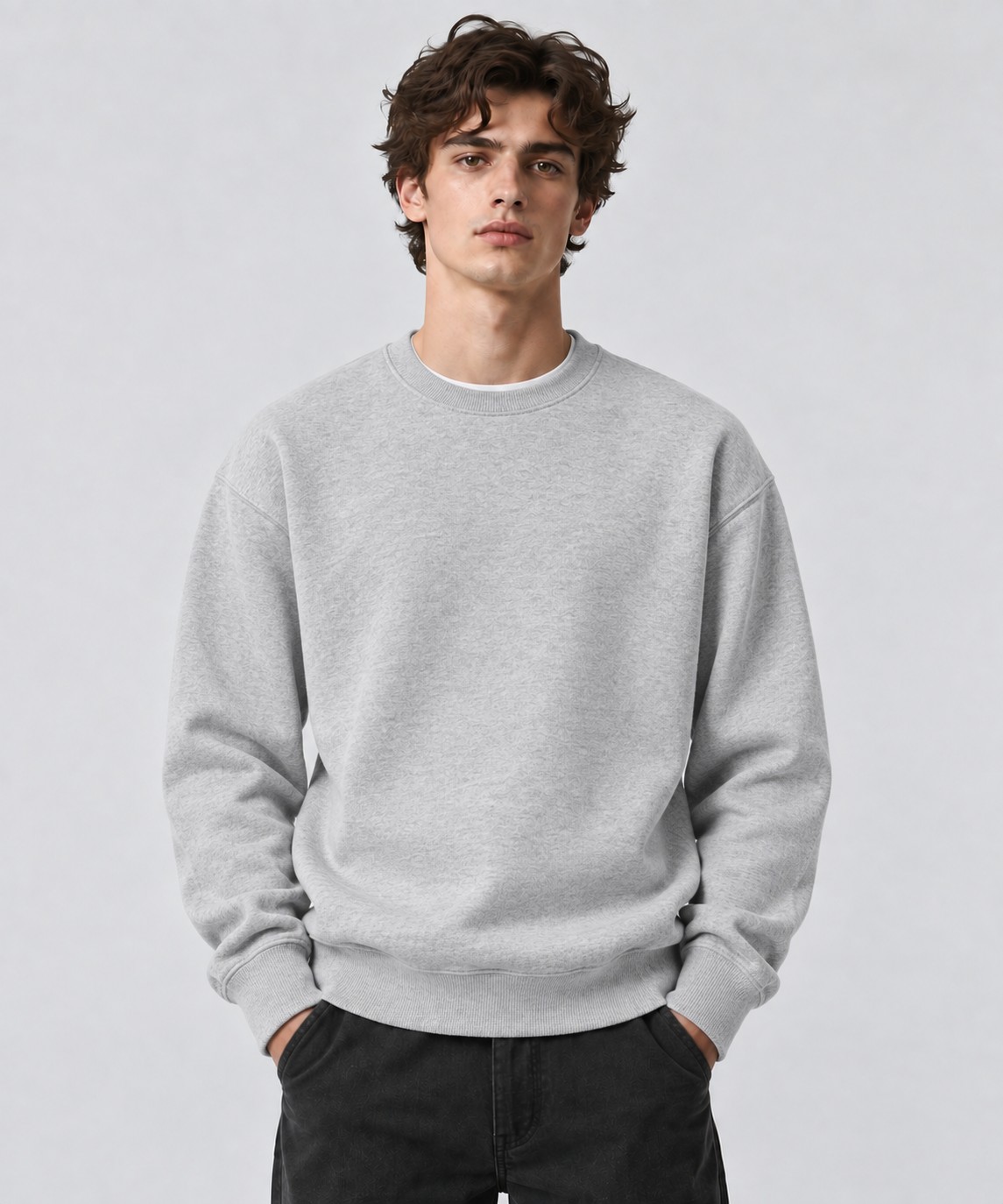
Knitwear & Sweats
Crewnecks and knitted tops in gauges and yarns matched to your price point.
Standard custom MOQ 100 pcs
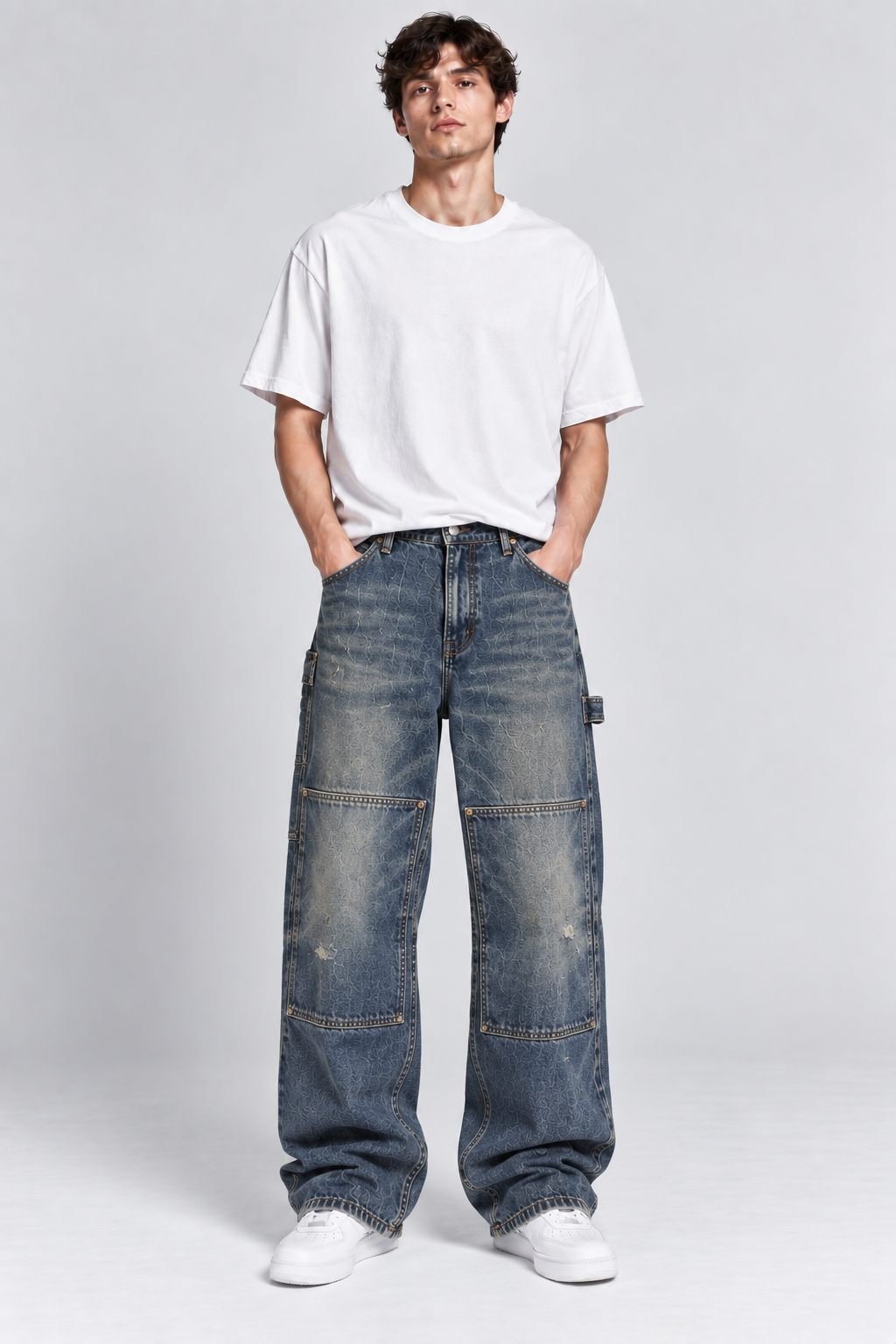
Denim & Woven Bottoms
Raw or washed denim, tapered to wide-leg blocks, your trims and rivets — in-house washing, whiskering and hand-scrap fades.
Standard custom MOQ 100 pcs
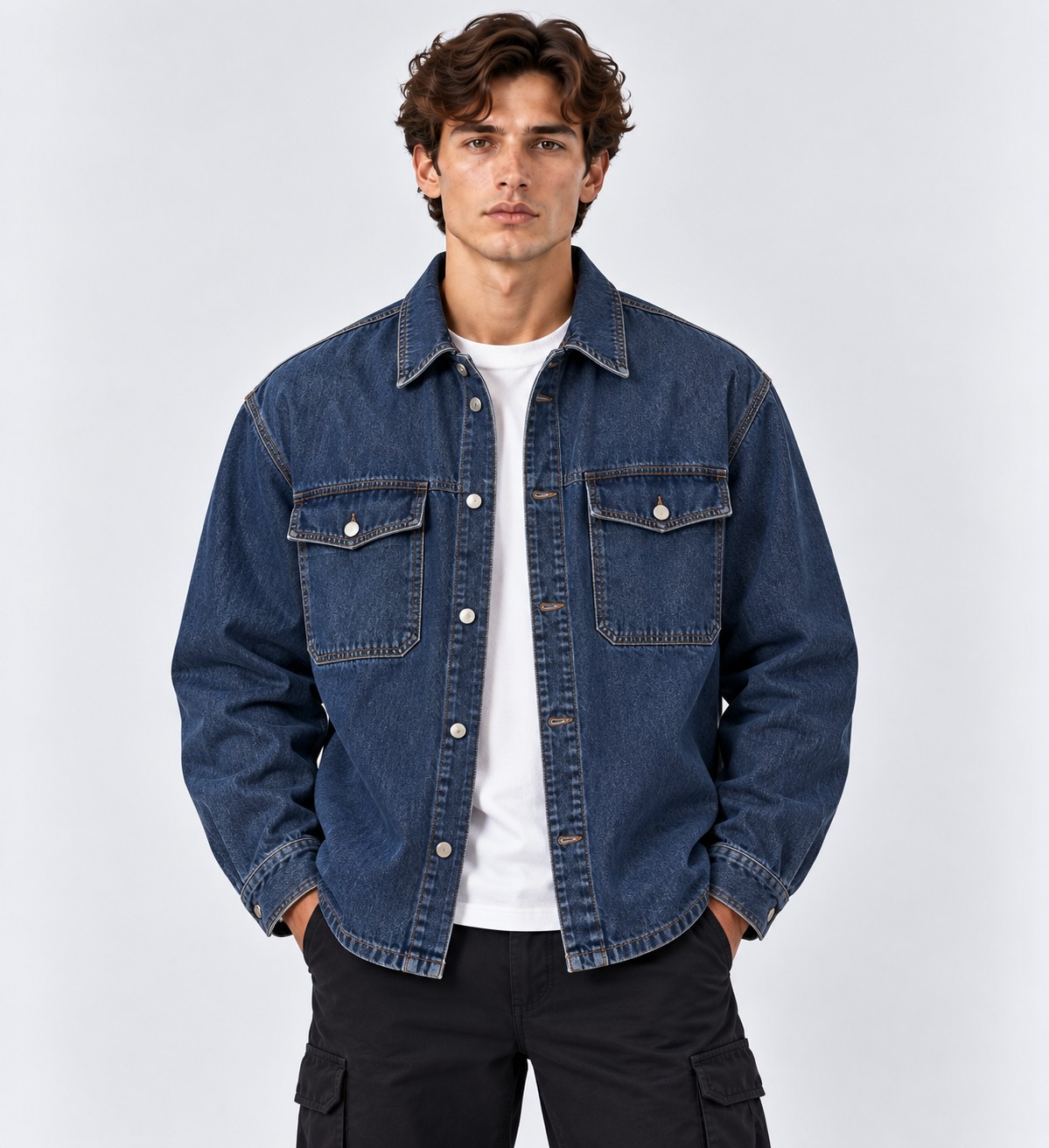
Jackets & Outerwear
Bombers, coaches, harringtons and over-shirts; quilting, ribbing and custom trims.
Standard custom MOQ 100 pcs
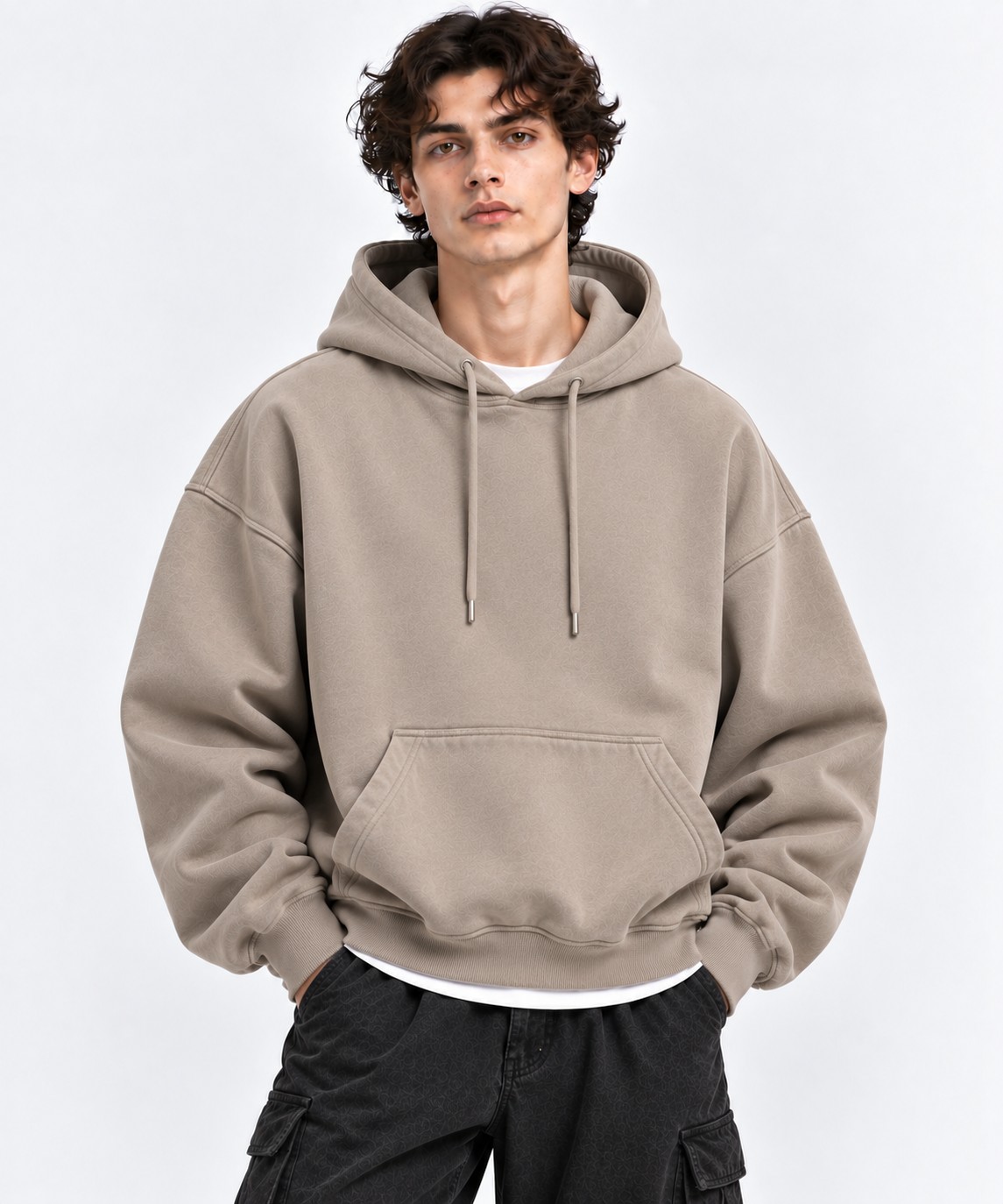
Hoodies & Sweats
Fleece, French terry and loopback; pullover, zip and crewneck blocks.
Standard custom MOQ 100 pcs
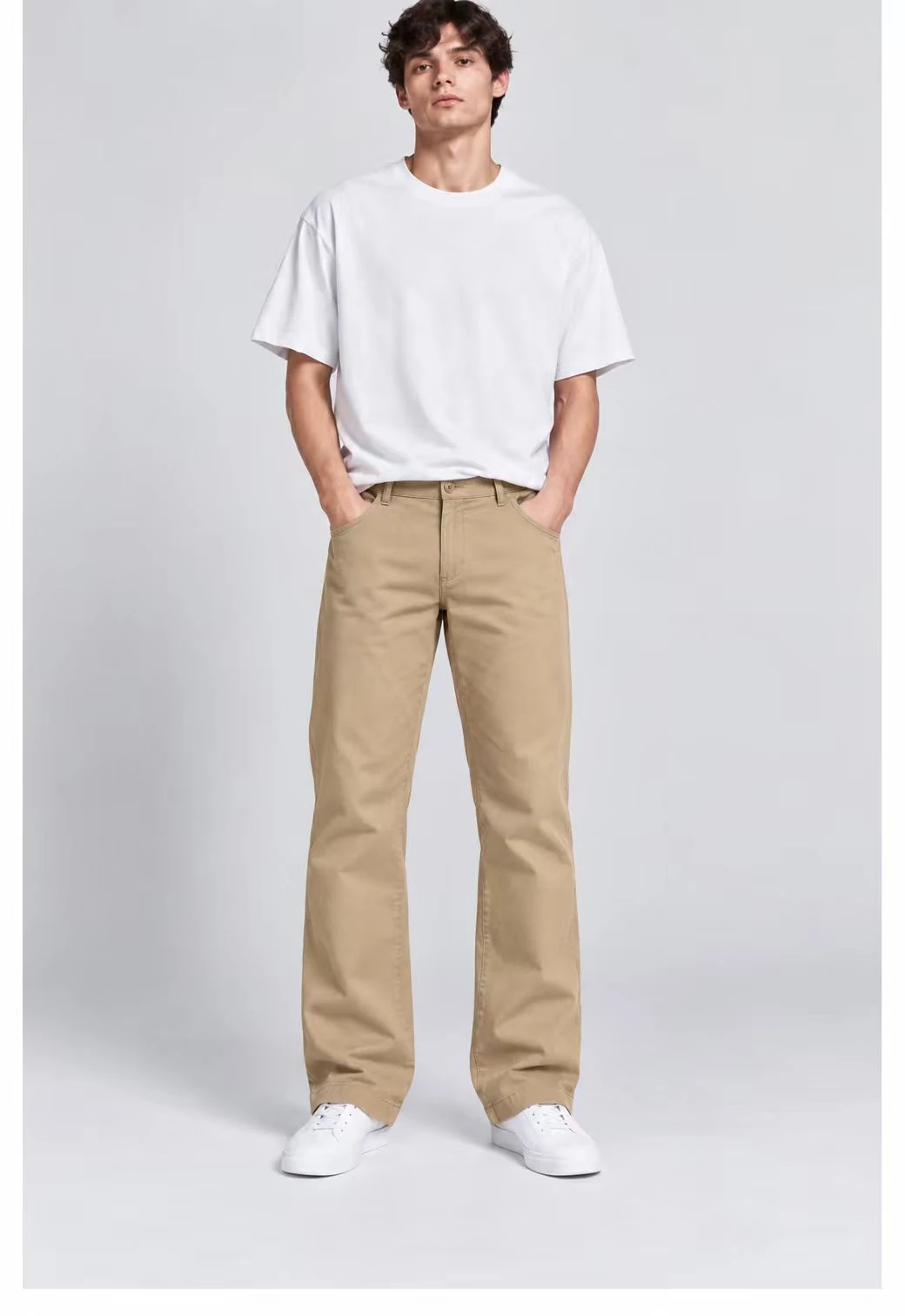
Casual Pants
Straight chinos, relaxed twill, pleated and elastic-waist references. Confirm the fabric, fit, waistband and branding on your sample.
Standard custom MOQ 100 pcs
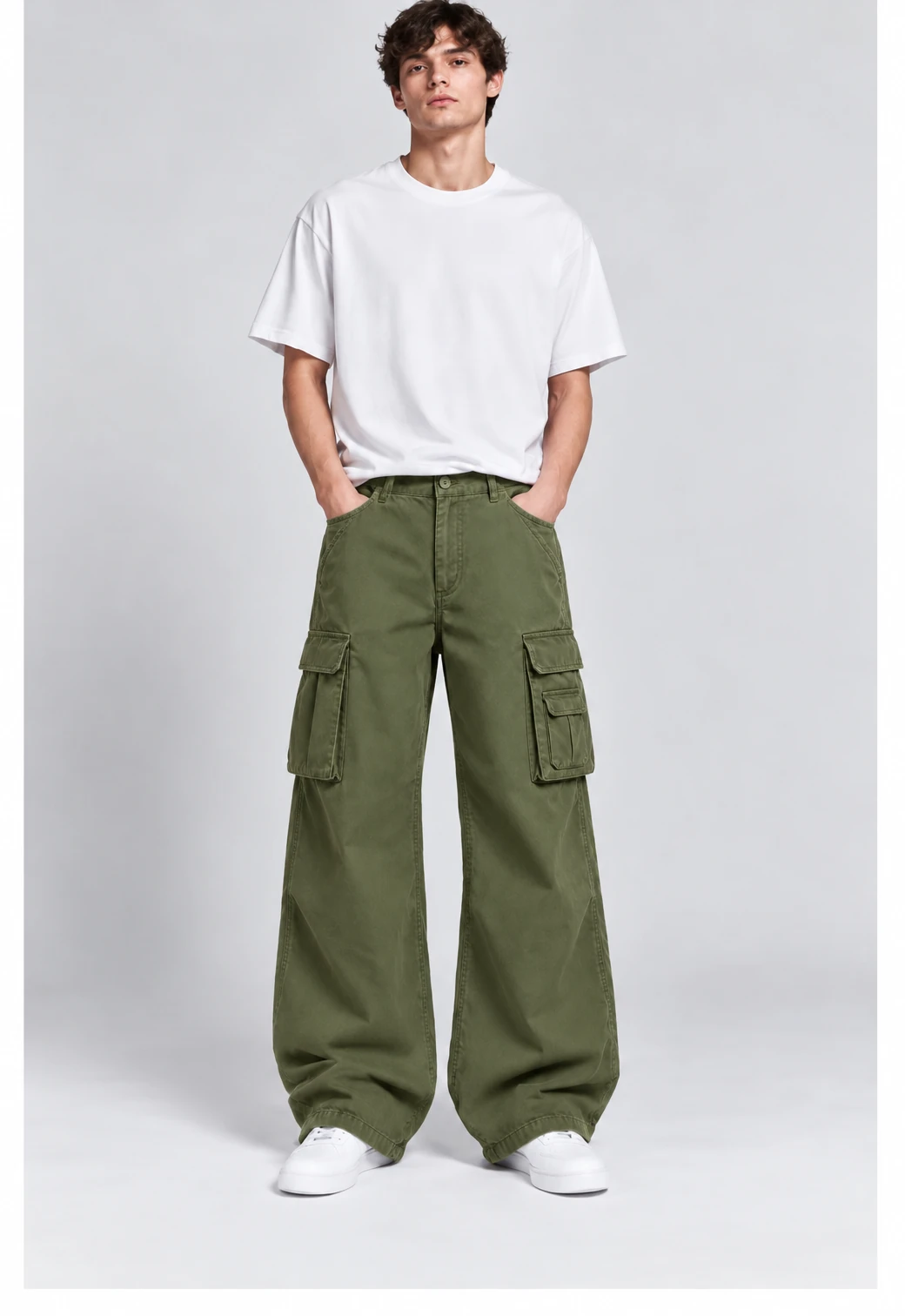
Cargo Pants
Straight-leg, baggy, jogger and carpenter references. Specify the pocket map, waist construction and leg opening for approval.
Standard custom MOQ 100 pcs
Additional menswear categories
Other Trouser Developments
Dress pants and other woven trouser specifications can be reviewed against your measurements, fabric direction and finishing requirements.
Standard custom MOQ 100 pcs
Dress Shirts
Men’s woven dress shirts made to your spec: collar and cuff styles, placket and pocket options, custom labels.
Standard custom MOQ 100 pcs
Sweatpants & Joggers
Custom sweatpants and joggers in brushed fleece and French terry — tapered, straight or baggy fits, drawcord and pocket options.
Standard custom MOQ 100 pcs
Athletic Shorts & Sportswear
Men’s athletic shorts and sports tops in performance knits — custom trims, prints and bulk orders welcome.
Standard custom MOQ 100 pcs
Low MOQ & Small Batch Programs
What actually sets your minimum — and how to keep a first run small
Our standard minimum is 100 pieces; confirm the style, colour and size breakdown for each project. Selected ready-stock styles can start lower, subject to fabric availability. That is a low MOQ by Chinese factory standards, but the number is not arbitrary: it is the point where a line can be set up, cut and run economically for one colourway.
Two things move the minimum up, and neither of them is the sewing floor:
| What you choose | Effect on your minimum | Why |
|---|---|---|
| Stock fabric in a standard colour | No fabric minimum — only the garment minimum applies | The mill has already woven or knitted it; we buy from what is on the shelf |
| Custom-knitted or custom-dyed fabric | A fabric minimum is added on top of the garment minimum | The mill has to set up a knitting or dyeing run for your colour alone |
| Adapting an existing block | Lowest entry point | Fit, fabric and trims change; the pattern and grade already exist |
| Developing a new pattern | Adds sampling cost, not a higher bulk minimum | The pattern is yours after the first order and is reused on every reorder |
Where a first order has to stay small, buyers usually combine three moves: take a stock fabric, start from an existing block, and concentrate the customisation in labels, decoration and packaging. Fabric is the biggest lever, because it is the one minimum that cannot be negotiated around.
We normally quote a sample before bulk, so fit, hand feel, colour and construction are confirmed while the order is still small. The MOQ guide breaks the numbers down by product family, and how minimum order quantity works explains the mechanics.
How a China Clothing Order Moves — 6 Steps
From first inquiry to container — nothing is guessed at bulk stage
Send the style, tech pack or reference photos, fabric/GSM, size range and quantity. You get FOB/CIF pricing and an honest MOQ answer — see the MOQ guide.
We pull from the Foshan/Guangzhou supply cluster: mill-run knits, denim, trims, labels. In-stock fabric shortens lead time sharply.
Sample development generally takes 7–15 days; revisions are confirmed by project. The proto → fit → PPS sequence is on the sample development page.
Sample approved, purchase order booked; capacity is scheduled per line — see the production capacity guide.
Cutting, sewing, inline inspection, wash/print/embroidery; your labels and hang tags per private label spec.
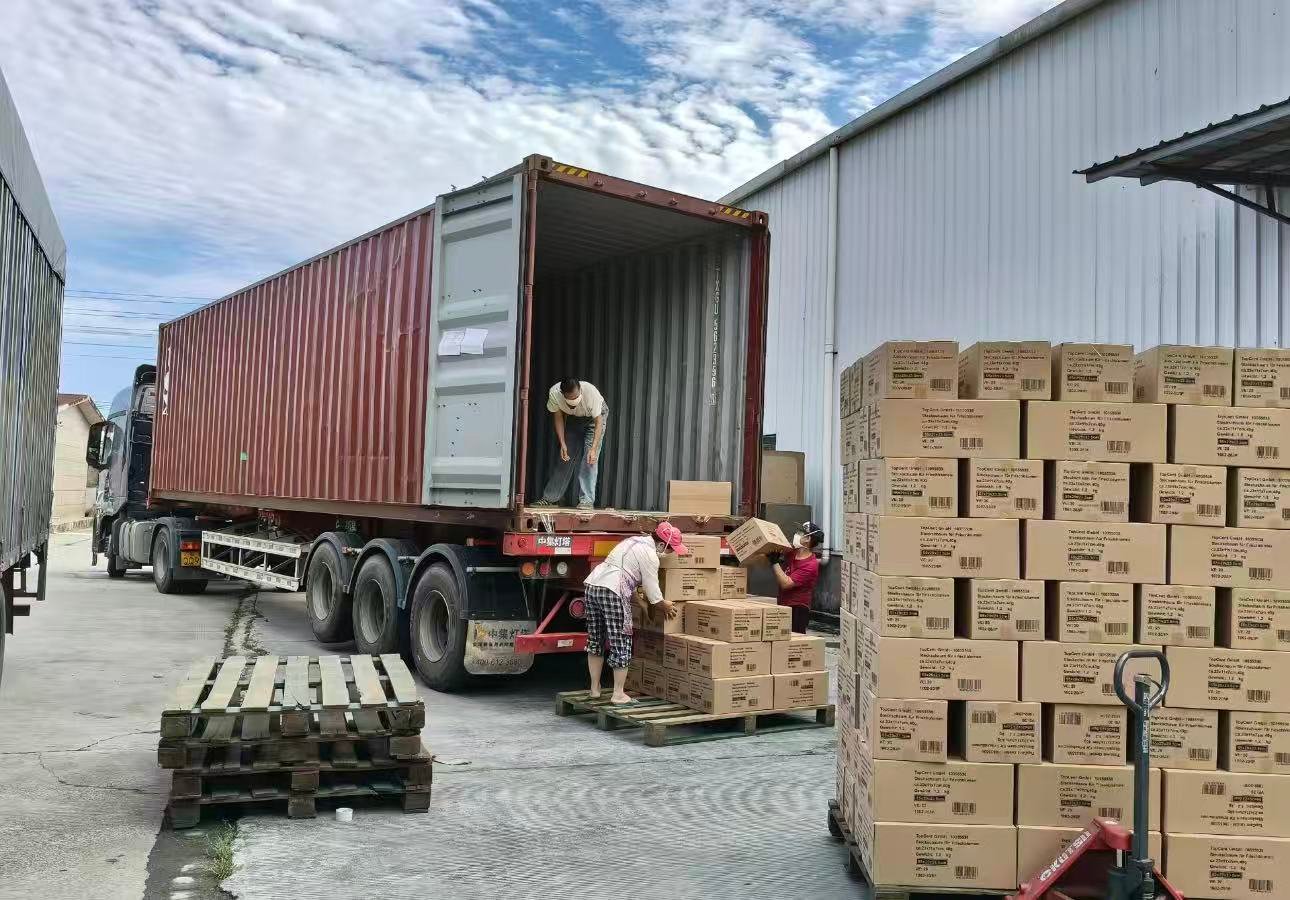
Pre-shipment inspection (AQL 2.5 available on request), export documents and USD handling through our Changsha export company.
What to Prepare Before You Request a Quote
The six inputs that make a China clothing manufacturer reply fast — and precise
Style sketch/flats, size range and grading, measurement chart — or send reference photos and we pattern from them.
Name the fabric family (jersey, piqué, fleece, denim) and target weight in GSM, or a price point and we propose fabrics.
Slim, regular, boxy or oversized block; send a competitor sample by courier for an exact fit match.
Labels, hang tags, buttons, zippers, drawcords — artwork files (AI/PDF/PNG) for embroidery and prints.
Poly bag or gift box, barcodes, pack breakdown by size, plus first-order quantity per color to lock MOQ and lead time.
Your target in-stock date. We back-schedule sampling (7–15 days), fabric milling and production from it.
No complete tech pack yet? Our ODM service starts from moodboards and price targets — see the OEM vs ODM guide.
Quality Control, In Photos
The three gates every order passes before a carton closes
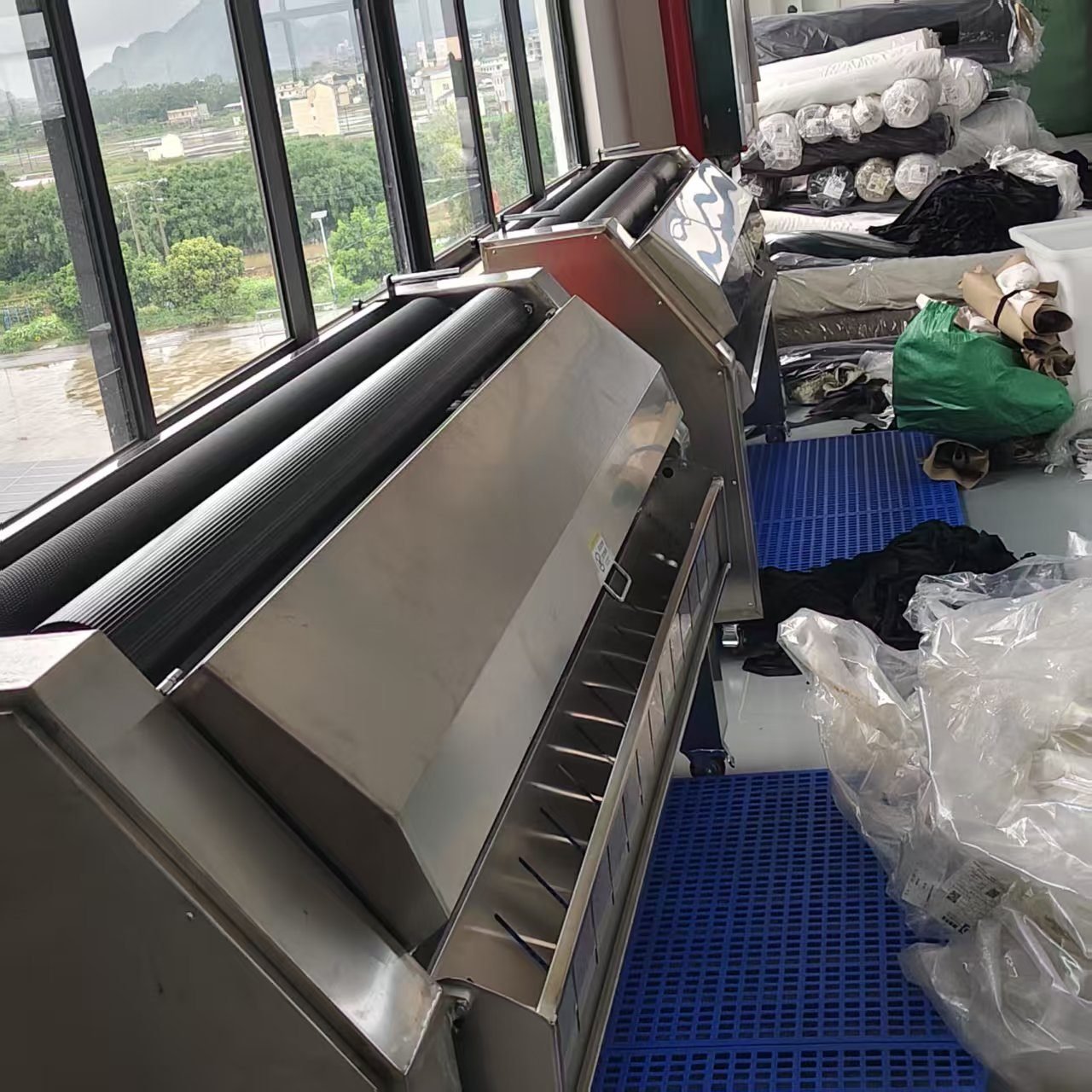
1 · Incoming fabric check
Roll-by-roll weight, shade and defect review against your approved GSM card before cutting.
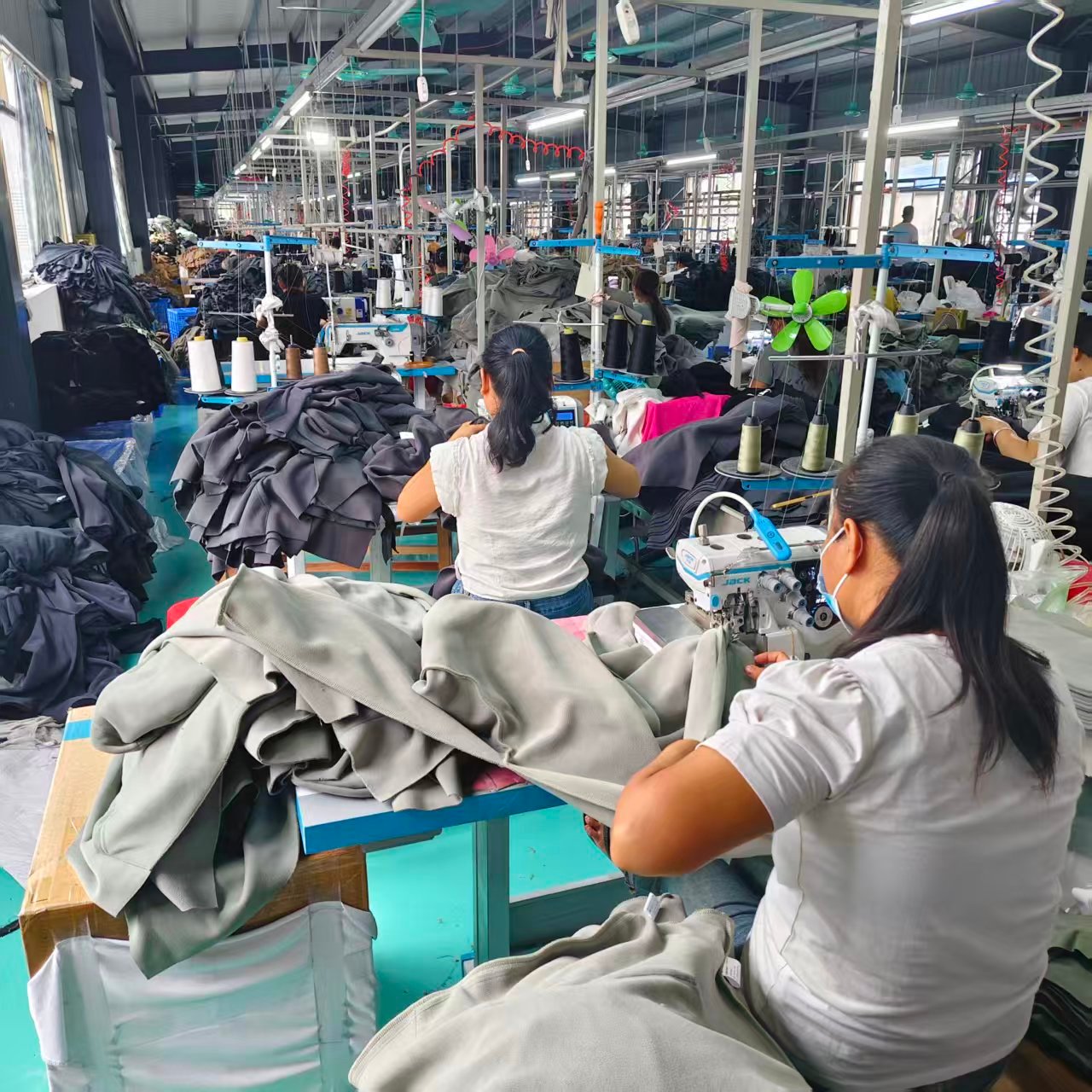
2 · In-line sewing checks
First-article approval plus hourly line checks — seams, SPI, stitch tension while the order runs.
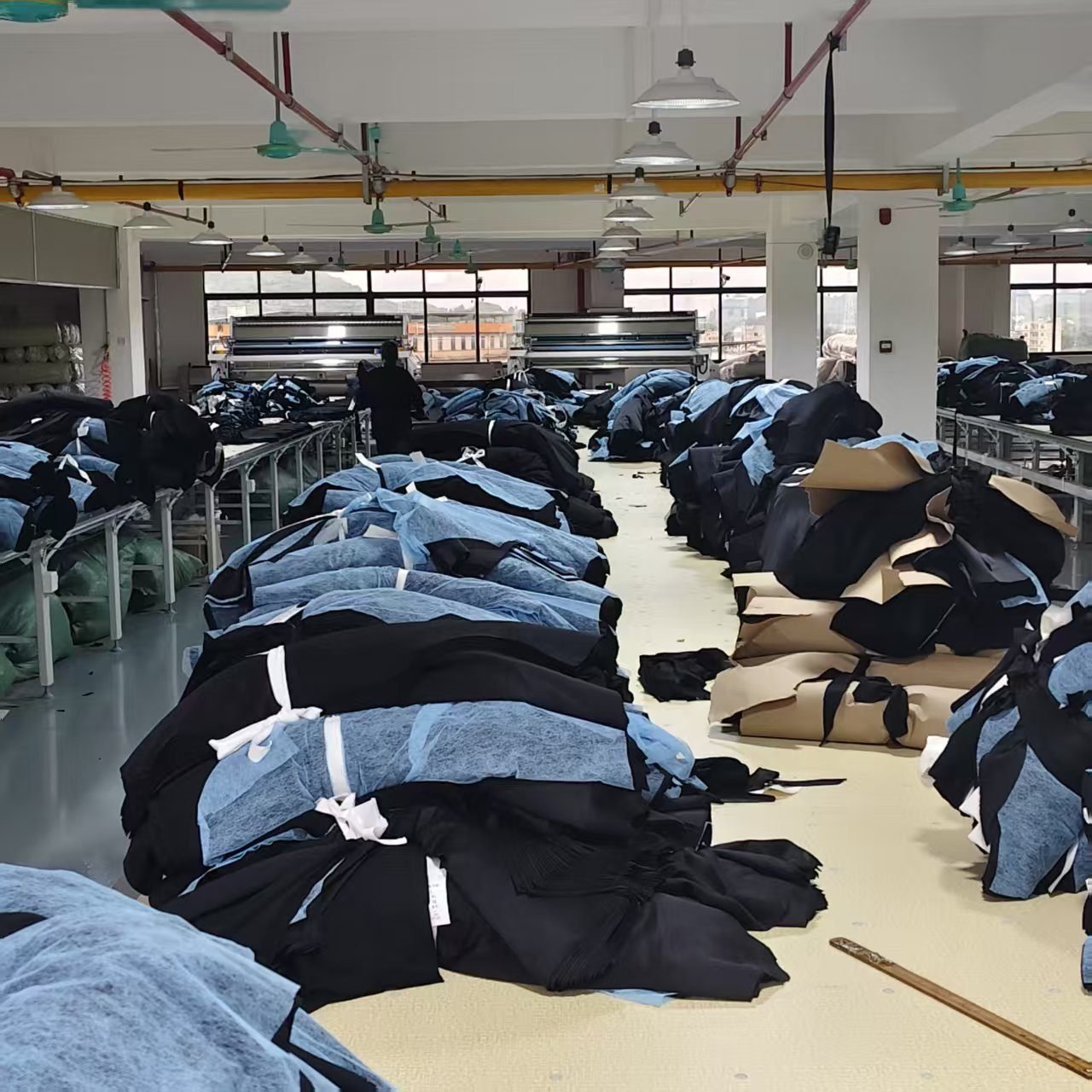
3 · Final & packing audit
Count, measurement, metal detection, fold and pack audit; AQL 2.5 sampling on request.
Factory-Direct, Not a Middleman
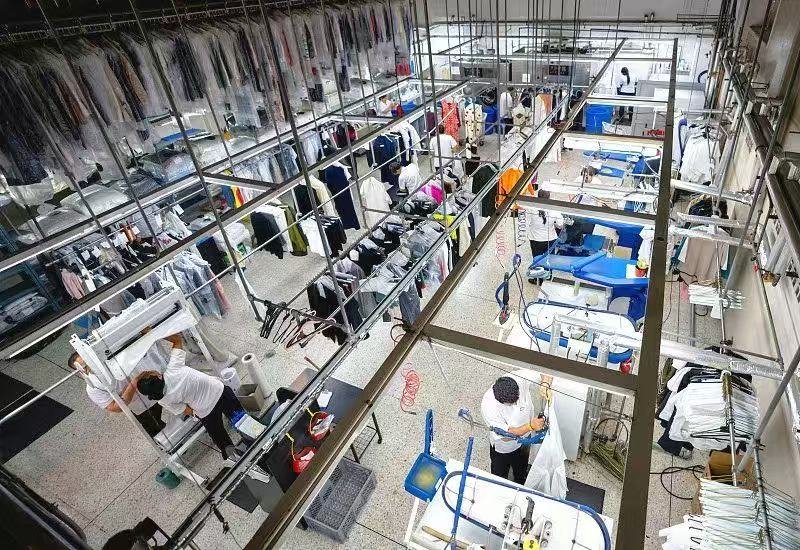
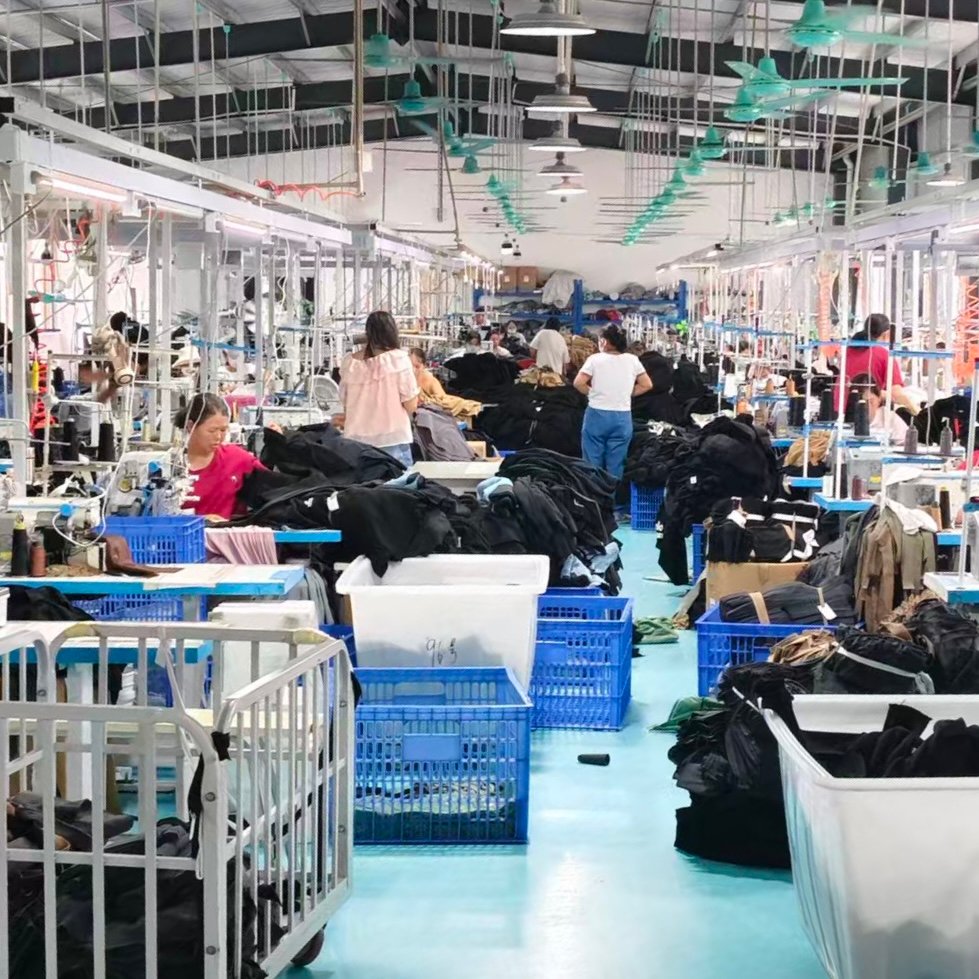
Many “China clothing manufacturers” contacting you are trading offices. We are the factory: own sewing lines in Foshan, operations since 2006, backed by Changsha Novita International Trade Co., Ltd as the licensed export entity that signs commercial documents and receives USD payment — factory-direct pricing with compliant export documentation in one contract.
Quality is checked twice before a shipment leaves: in-process inspection on the line, then a pre-shipment audit against your approved sample — AQL 2.5 is available if your buyer requires it.
Fabrics we run
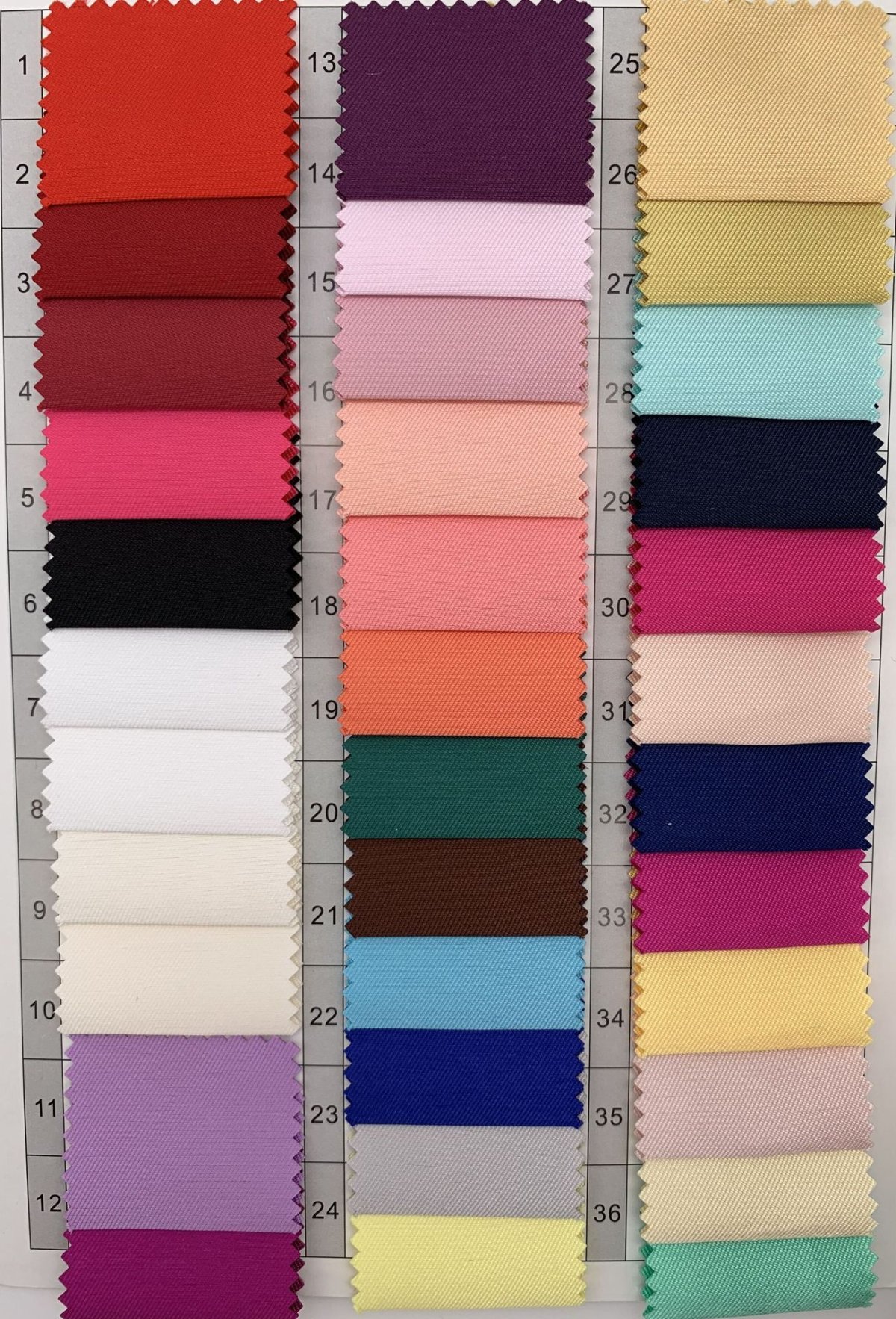
Decoration done in house
Need a fabric or finish not listed? Custom development is part of our craftsmanship services — ask the factory.
How to Vet a China Clothing Factory Before You Order
Review the selected cutting and sewing footage in the Factory Tour as process context. Verify the filming location, facility operator and project-specific production arrangements separately.
The checks a buyer should run on any factory — including us
Most buyers who get burned sourcing menswear were not fooled by a bad price. They were dealing with a trading office that presented itself as a factory. The checks below take one call and one document request, and we expect a serious buyer to run them on NOVITA too.
Seven questions to ask on a factory audit
- Which operations are on your own floor? Cutting, sewing and finishing are the core. If fabric, printing and washing are all “arranged”, ask who actually runs them — you may be talking to a middleman.
- What is the production address, and does it match the business licence? A registered office in a commercial tower with no production address is the first warning sign.
- Which product families do you produce every week? Category experience matters more than general capability. A strong knitwear line may never have graded a woven bottom.
- Can we do a live video walkthrough? Ask to see the sewing floor, the cutting table and the finished-goods area on an unedited call. Photo sets are licensed and reused across the industry.
- What does your sample process look like? A proto sample, a fit sample and a pre-production sample are standard. A factory that quotes bulk before any sample is approved is selling you a price, not a garment.
- What are your minimums, and what raises them? Garment minimum, fabric minimum and colour minimum are three different numbers. Ask which one applies to your order.
- What happens if the shipment fails inspection? The answer should be a defined remedy — rework, replacement or credit — judged against the approved sample. “It will not happen” is not a process.
Red flags that usually mean walk away
- A price that arrives before anyone asks about your fabric, size spec or quantity.
- No production address, or an address that changes when you ask to visit.
- The same photo set appearing on several suppliers’ websites.
- No written spec sheet or tech-pack review before quoting.
- Payment terms that require the full amount up front on a first order.
- A refusal to name the operations they do not do.
A tech pack tells the factory what you expect, and an RFQ checklist tells both sides what has to be answered before a price means anything. If a supplier resists either, that is the answer.
For the general method, see how to choose a reliable clothing manufacturer in China. To run the seven questions on us, book a call with the Foshan factory.
Decoration Techniques We Run In House
Illustrative samples of decoration finishes — generated for technique comparison
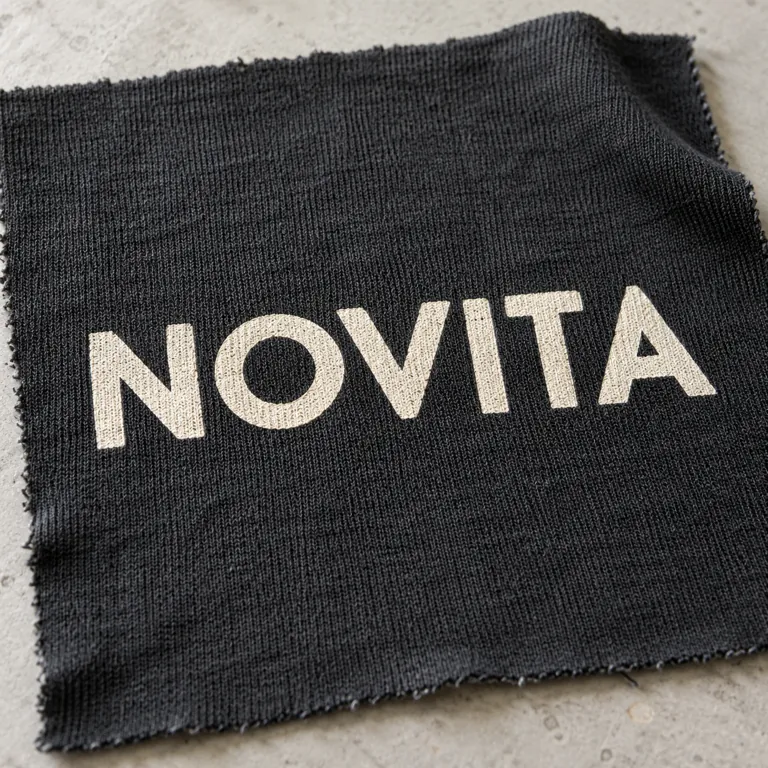
Screen Print
Water-based, plastisol and puff inks for bulk graphics.
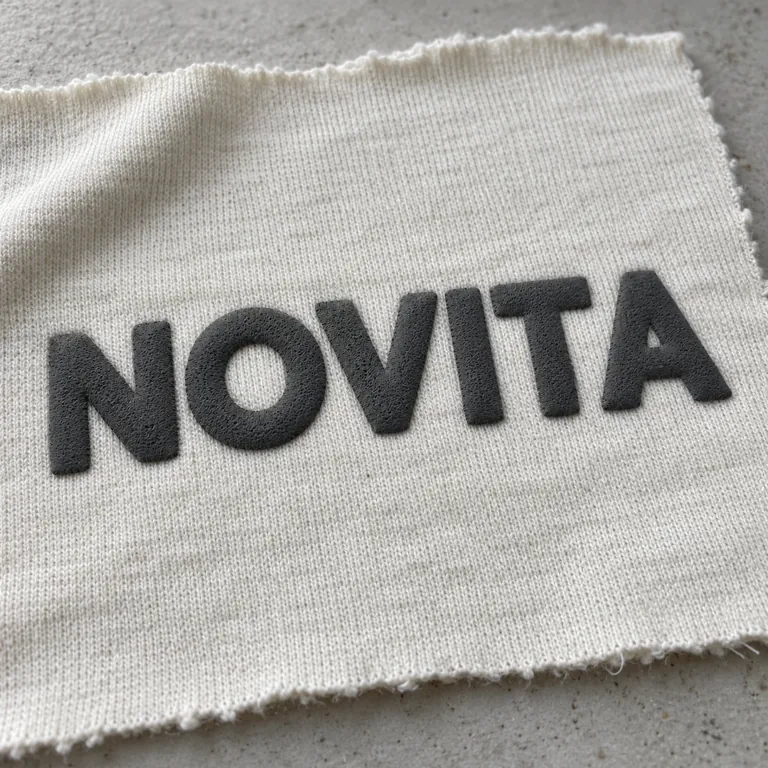
3D Puff Print
Raised ink adds depth to the printed design; confirm wash performance on your approved sample.
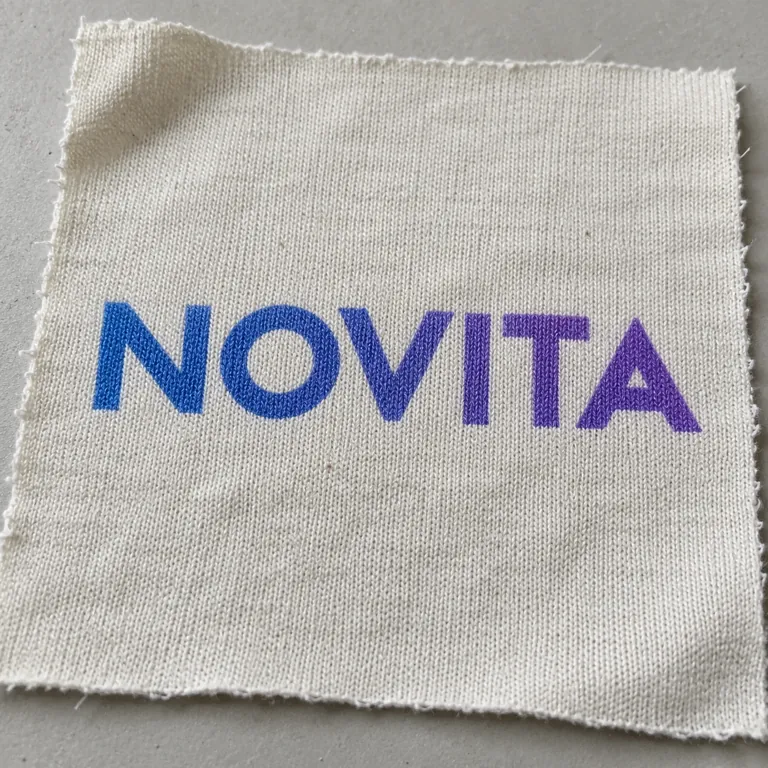
Digital Print
Full-colour artwork printed directly onto the fabric; confirm setup and pricing for your design.
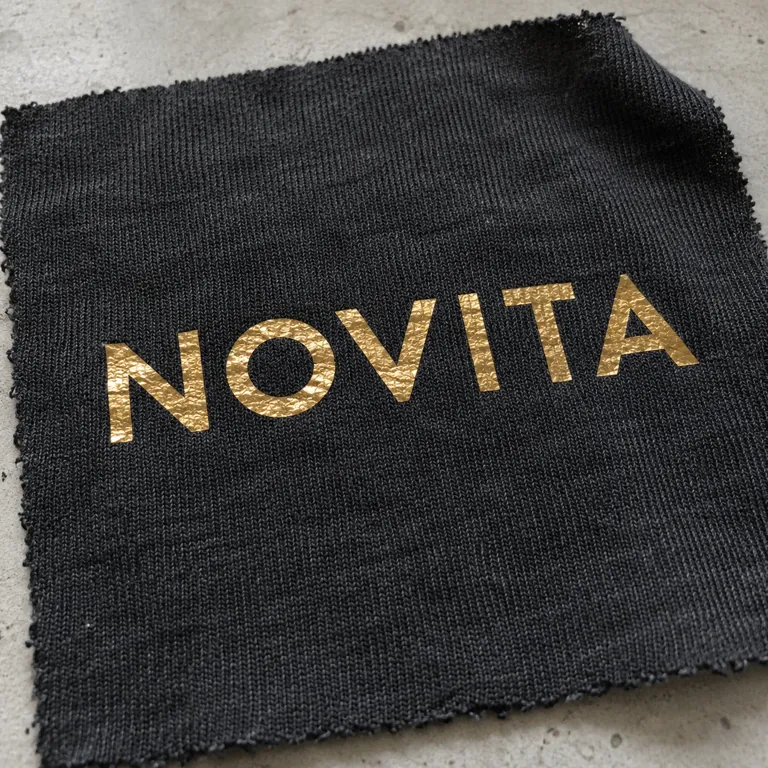
Foil & Effects
Hot foil, silver, glow and reflective finishes.
What We Make In-House — And What We Source
A clear line between our own floor and our supplier network
Most factories answer “everything is in-house”. Here is our actual split, because it decides who is accountable when something needs fixing.
Run on our own floor in Foshan
- Pattern making, grading and the sample room
- Fabric spreading and cutting
- Sewing lines for knits, wovens and bottoms
- Print and embroidery shop — screen print, 3D puff, digital print, foil and heat transfer
- Denim washing and wash development
- Finishing, pressing and export packing
- Incoming fabric check, in-line inspection and final audit
Bought in from specialist suppliers
- Fabric — woven and knitted by mills in the Guangdong cluster
- Yarn and fibre, where a composition is specified
- Trims — zips, buttons, snaps, drawcords and interlining
- Woven labels, printed labels, hang tags and packaging
We buy these directly rather than through a trading office, inspect them on arrival against your approved sample, and declare them. If a fabric cannot be sourced to your spec, we say so before quoting rather than substituting something close.
That is the practical difference between a factory and a trading company: the operations on the left are ours, and the ones on the right are declared. See how an OEM/ODM order runs.
OEM, ODM or Private Label — Which Fit Do You Need?
Send a tech pack and we manufacture it (OEM); pick a proven block and change fabric, fit, trims and branding (ODM); or put your label on our existing fits (private label). The full comparison is in our OEM vs ODM guide; the private label explainer covers who uses the model and why.
The three models are not quality tiers — they are different amounts of development work. Choosing the wrong one usually shows up as a cost you did not expect rather than a worse garment.
| Model | What you bring | What we bring | Fits |
|---|---|---|---|
| OEM — you own the design | A tech pack: pattern or measurements, fabric, trims, colourways, labels | Pattern making, grading, sampling, bulk production and QC to your spec | Brands with a defined product and their own fit |
| ODM — you adapt our block | A reference and the changes you want: fabric, fit, trims, branding | An existing, proven block plus the development to change it | Brands that want their own product without starting from a blank pattern |
| Private label — you brand our product | Your labels, hang tags and packaging artwork | Existing fits produced in bulk with your branding applied | The fastest route to a first shipment, and to testing a market |
The document that decides which model you are actually in is the tech pack. Send one and it is OEM. Send references and a size chart you like and it is ODM. Ask for our current styles in bulk and it is private label. Mixed orders are normal: a first range often runs ODM on two styles and private label on the rest.
Full Package, CMT or Wholesale — What Changes for You
China manufacturers normally quote one of three ways, and the difference matters more than the price. Full package means fabric sourcing, trims, cutting, sewing, finishing, quality control and export packing all run under one order: you supply the design and the size spec and receive finished garments. CMT (cut, make, trim) means you supply the fabric and trims and the factory charges for making the garment only. Wholesale / private label means you buy our existing fits and blocks in bulk instead of developing a new pattern — usually the fastest route to a first shipment, and those items can still carry your own labels.
Our standard route is full package and private-label wholesale on our existing blocks. If you already own fabric or trims and want the order quoted as CMT, say so in the RFQ: it changes what we need from you and how the price is built.
Seam allowance in your spec
Seam allowance is the fabric left inside a seam so the garment can be joined and, where needed, altered. It belongs in the tech pack because it sets the fit tolerance and decides how much a garment can be taken in or let out on a bulk run. See our seam allowance guide for specification details.
- Common allowance on menswear seams: 1 cm (3/8 in), and 1.5 cm on side seams and centre back where a fit correction may be needed.
- Overlock-finished seams need less; flat-felled and French seams need more, because the allowance is folded inside the seam.
- Write any allowance that differs from the standard on the size spec sheet — it is confirmed at the pre-production sample, not after bulk cutting.
Manufacturing Insights for Your Order
Use the guide that matches the decision still open in your brief
Record the material, garment revision and approval owner together. These buyer guides help you prepare comparable evidence; browse more apparel manufacturing insights for your product.
Compare a T-Shirt Quote
Check the size mix, fabric allowance and included charges. Use the fabric consumption calculation guide alongside the T-shirt quote comparison worksheet.
Approve Materials and Trims
Define which fabric rolls may be cut and how an installed fastener is reviewed. See fabric shade band approval and the garment zipper inspection checklist.
Release the Finish and Packing
Retain the finished reference and a usable packing record. Follow the denim wash sample approval checklist and private label packaging specification.
Frequently Asked Questions
What is your MOQ for custom menswear?
Custom programs start at 100 pcs. Confirm the style, colour and size breakdown for each project. Fabric type, trims and printing change the practical minimum; the MOQ guide breaks it down.
How long does sampling take for custom menswear?
Typically 7–15 days depending on style complexity, embroidery density and trim availability. See the sample development process.
Can you manufacture with my own brand labels, tags and packaging?
Yes. Woven labels, printed neck labels, hang tags, poly bags and gift-box packaging are produced to your artwork — standard private label production.
Who handles export documentation and payment?
Our licensed export company, Changsha Novita International Trade Co., Ltd, signs the contract and receives USD payment, while production runs at the Foshan factory. More on the FAQ page.
Do you only manufacture men’s clothing?
Our lines are built for men’s casualwear — polos, t-shirts, shirts, knits, sweats, denim and light outerwear. See about our factory.
What is the minimum order quantity for clothing manufacturing in China?
Our custom programmes start at 100 pieces; confirm the style, colour and size breakdown for each project. The garment minimum is not the only one: a custom-knitted or custom-dyed fabric adds a fabric minimum of its own, while a stock fabric does not. See the MOQ guide.
How long does it take to manufacture clothing in China?
Sampling typically takes 7–15 days, depending on style complexity, embroidery density and trim availability. Bulk production follows once the pre-production sample is approved; the sample development process explains each stage.
How do I find a reliable clothing manufacturer in China?
Check which operations run on the supplier’s own floor, confirm that the production address matches the business licence, ask for a live walkthrough, and insist on a sample before bulk. The factory vetting checklist above lists the questions; the reliable manufacturer guide covers the general method.
Can I order small quantities or mix sizes and colours?
Yes — sizes are mixed freely inside the minimum, and colourways can be split across an order subject to fabric availability. Selected ready-stock styles can start below 100 pieces. Smaller first orders work best on a stock fabric and an existing block; see clothing manufacturers for startups.
What is the difference between a clothing manufacturer and a trading company?
A manufacturer runs cutting, sewing and finishing on its own floor and buys fabric and trims from mills. A trading company arranges all of it and adds a margin. The practical test is asking which operations are in-house — our own in-house and sourced split is listed above, and private label manufacturing explains how the models differ.
Ordering from Clothing Manufacturers in China: The Short Version
Buyers comparing clothing manufacturers in China usually screen for five things: a verifiable own factory (visit report or live video call), a realistic MOQ policy, a documented sample sequence before bulk, quality control written in standards rather than promises, and a contracting entity that can export and invoice in USD cleanly. Our answer to each is on this page: Foshan own factory since 2006, a standard custom MOQ of 100 pcs, sample development generally in 7–15 days, inline + pre-shipment AQL 2.5 checks available on request, and Changsha Novita International Trade Co., Ltd on the paperwork. Send the spec sheet — quotes come back with MOQ, fabric weight and timeline in the first reply.
Small Business, Startup and Designer-Led Programs
Most of the buyers who come to us are not placing a container order. They are a new brand, a small business, a designer or a uniform supplier testing a first production run. A China clothing manufacturer is a practical fit for that stage because the same factory that runs a large programme can run a small one — the constraint is the fabric and trim choice, not the factory size.
Three things keep a first order small and predictable:
- Start from a block that already exists. A designer-led programme can adapt an existing polo, tee, hoodie or denim block instead of developing a new pattern from zero.
- Keep fabric to what is available. A stock fabric has no minimum of its own; a custom-knitted or custom-dyed fabric adds a fabric minimum on top of the garment minimum.
- Concentrate the customization in branding. Labels, hang tags, decoration and packaging are where a small brand usually gets the most visible return per unit.
Our standard starting point is a standard custom MOQ of 100 pieces, with the order breakdown confirmed for each project. For clothing designers and manufacturers working together for the first time, we normally recommend a sample first: it confirms fit, fabric hand feel, colour and construction before bulk. See clothing manufacturers for startups and how minimum order quantity works.
Bottoms, Shorts and Denim
Our bottoms line covers denim jeans and denim shorts — rigid and washed, from tapered straight to wide-leg blocks, with wash development handled in house. If your range needs a woven bottom rather than a knit, that is the route: custom denim and jeans.
A first order with us usually runs in four moves: send references or a tech pack, approve a sample, confirm the size spec and labels, then produce. Nothing about that sequence changes because the order is small — what changes is that a stock fabric keeps the minimum at garment level, and an existing block takes pattern development off the critical path.
Reorders are simpler than the first order, because the pattern, the grade and the approved sample already exist. That is the point of a small first run: it proves the fit and the working relationship at low volume, and then the same spec scales. For the fuller picture, see the RFQ checklist before you send your first enquiry.
Talk to the Factory Directly
Send a tech pack or reference photos today and get a China-factory quote with MOQ, fabric weight and timeline inside the first reply.
- Factory-direct pricing — no middleman markup
- Standard custom MOQ: 100 pcs
- Production enquiries answered within 1 business day
What to send: your product category and target quantity per style and colour, a tech pack or reference photos, your fabric preference or the hand feel you are after, and your delivery window. No tech pack yet? Send references — we will tell you what is missing before quoting.