When buyers compare polo shirt fabric, three different decisions are often mixed together:
- the knit structure
- the fiber composition
- the fabric weight
They are related, but they are not the same thing.
For example, piqué describes a knit structure, while cotton describes a fiber. A cotton polo can be made in piqué, jersey, interlock or another knitted construction. Two fabrics can also share the same GSM yet behave very differently because their structures differ.
For clothing brands, wholesalers and private-label buyers, this distinction matters because the knit structure affects more than appearance. It can influence how a polo hangs, how stable the collar and placket feel, how embroidery sits on the surface and how the garment behaves after finishing.
This guide focuses specifically on polo knit structures and how to specify them before sampling. If you mainly want a direct comparison between the two most common options, see our piqué vs jersey polo shirt guide.
Knit Structure, Fiber and Weight Are Three Different Decisions
A useful polo specification separates these three variables.
| Decision | Example | What It Mainly Influences |
|---|---|---|
| Knit structure | Piqué, jersey, interlock, mesh | Texture, stability, drape and surface |
| Fiber composition | Cotton, polyester, cotton-poly blends | Hand feel, moisture behavior, durability and care |
| Fabric weight | GSM | Overall mass, body and seasonal positioning |
A buyer might therefore specify:
Cotton-rich piqué, medium weight, with a firm hand feel for an embroidered uniform polo.
Another project might require:
Polyester mesh with a lighter construction for a breathable performance polo.
Both are “polo fabrics,” but they are built for different end uses.
For a deeper explanation of fiber choices and blends, see our fabric types guide. For weight selection, refer to the fabric weight and GSM guide.
The Main Polo Knit Structures: A Buyer’s Comparison
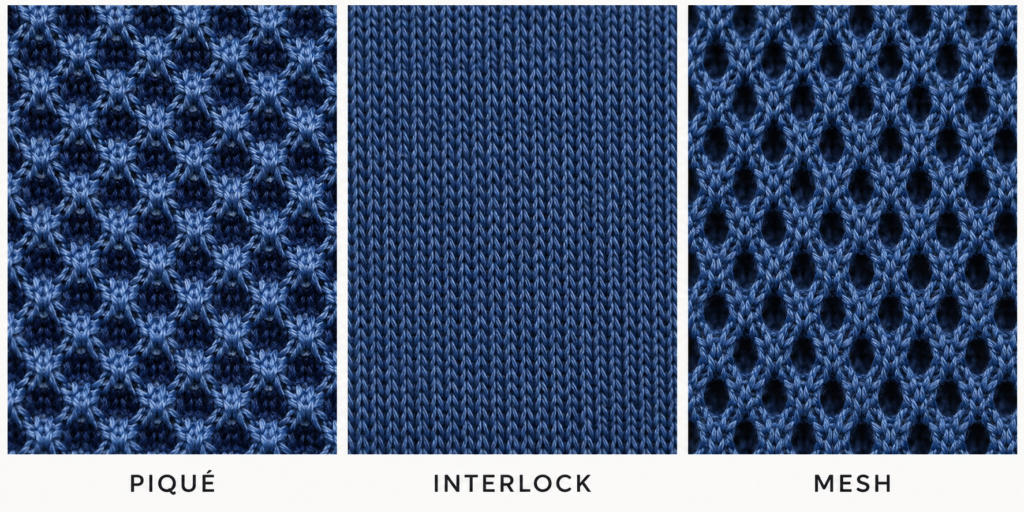
There is no single structure that is best for every polo. The right choice depends on the target market, silhouette, decoration, collar construction and required hand feel. The table below compares the structures buyers are most likely to be offered.
| Knit Structure | Surface & Texture | Stability & Drape | Typical Polo Use | Decoration Considerations |
|---|---|---|---|---|
| Piqué | Textured, raised surface | Holds body and shape well | Classic casual, uniform and embroidered polos | Textured face; embroidery sits on a comparatively stable surface |
| Interlock | Smooth and uniform on both faces | Denser and more substantial than lightweight jersey | Clean-look fashion polos and premium basics | Smooth surface suits finer logo and print detail |
| Mesh / performance knit | More open, engineered surface | Lighter; behavior depends on the specific construction | Sports, teamwear, warm-climate and uniform programs | Open structures need attention to logo stability, placket support and opacity |
| Waffle / rib | Pronounced geometric or vertical texture | Structure varies with the knit | Textured fashion and statement collections | Texture competes with fine detail; larger forms read more clearly |
| Jacquard | Pattern built into the knit itself | Depends on the knit and yarns used | Branded textures and tonal fashion polos | The pattern is part of the fabric rather than added after knitting |
| Yarn-dyed knit | Stripes or color blocks formed from dyed yarns | Structure follows the base knit | Striped and color-blocked polos | Panel-to-collar alignment matters; confirm placement at sampling |
These rows describe development directions, not fixed rules. Each entry still has to be confirmed against the intended fit, finishing and decoration on a physical sample.
Piqué — and Why “Piqué” Alone Is Not a Complete Specification
Piqué is one of the most recognizable polo constructions. Its textured surface gives a polo more visual structure than a smooth knit and is widely associated with classic polo styling.
However, writing “100% cotton piqué” on a tech pack does not fully define the fabric. A buyer may still need to confirm:
- desired fabric weight
- yarn and fiber composition
- surface texture
- softness or firmness
- shrinkage expectations
- color
- finishing
- whether the body fabric must coordinate with the collar and cuff
Different piqué fabrics can feel noticeably different even when their basic composition looks similar on paper. That is why the structure name is a starting point for a specification, not the specification itself.
See our Custom Piqué Polo Shirt for a piqué built on this specification.
Interlock: The Smooth, Stable Alternative
Interlock has a smoother and more uniform surface than traditional piqué. It is typically chosen when a buyer wants a polo that feels cleaner, denser or more refined rather than visibly textured.
From a product-development perspective, interlock can be useful for:
- cleaner fashion polos
- smooth logo presentation
- more structured silhouettes
- styles where opacity matters
- polos intended to feel more substantial than lightweight jersey
Its surface is generally less visually open than many mesh constructions and does not have the characteristic texture of piqué. That makes interlock useful when the design language is meant to feel minimal rather than traditionally sporty.
The important point is not that interlock is automatically better than piqué. It simply creates a different appearance and hand feel.
Mesh and Performance Knits: Breathability Without Losing the Polo Shape
Some polo programs prioritize airflow, moisture management or warm-weather comfort. In these cases, buyers may consider mesh or performance-oriented knitted structures.
These fabrics are common in:
- sports polos
- work uniforms
- outdoor programs
- warm-climate markets
- promotional and teamwear collections
A more open structure can increase breathability, but the buyer still needs to consider how the fabric behaves around the collar, placket and embroidery area.
An extremely light or open structure may require additional attention to logo stability, placket reinforcement, collar compatibility, transparency, drape and snag resistance. This is why fabric selection should be evaluated as part of the complete garment rather than from a fabric swatch alone.
Performance-knit builds in production here include our Golf Performance Polo and Activewear Polo Shirt.
Waffle, Rib and Jacquard: When Texture Becomes Part of the Design
Not every polo needs to look like a traditional piqué polo. Textured knitted structures can become part of the visual identity of the garment.
Waffle knits
Waffle structures create a more visible geometric texture. They can be used when the fabric itself is intended to contribute to the design rather than act as a neutral base.
Rib and ottoman-style structures
Rib-based structures create pronounced vertical or horizontal surface effects. Ottoman-style ribbed knits are a related direction that can give a garment a more structured appearance. Because the term is used loosely across the industry, the safest approach is to approve the actual knitted reference rather than rely on the name alone.
Jacquard knits
Jacquard allows patterns or texture to be built into the knitted fabric rather than added later by printing. This can be useful for subtle geometric patterns, branded textures, fashion polos and tonal surface designs.
For all of these fabrics, buyers should provide a clear visual reference and approve the actual knitted sample before bulk production. A reference image alone may not communicate the required depth, scale or hand feel accurately.
Yarn-Dyed Stripes: When the Color Is Built Into the Fabric
Striped polos can be produced in different ways, and a yarn-dyed construction is one option. Instead of applying a printed stripe after the fabric is made, the color arrangement is created using dyed yarns during knitting.
For buyers, the important specification points include stripe width, stripe repeat, color sequence, body-to-collar coordination and placement expectations.
When exact stripe placement matters, it should be discussed during sampling, because garment panels, plackets and collars may need to align with the intended design.
What the Collar and Placket Demand From the Fabric
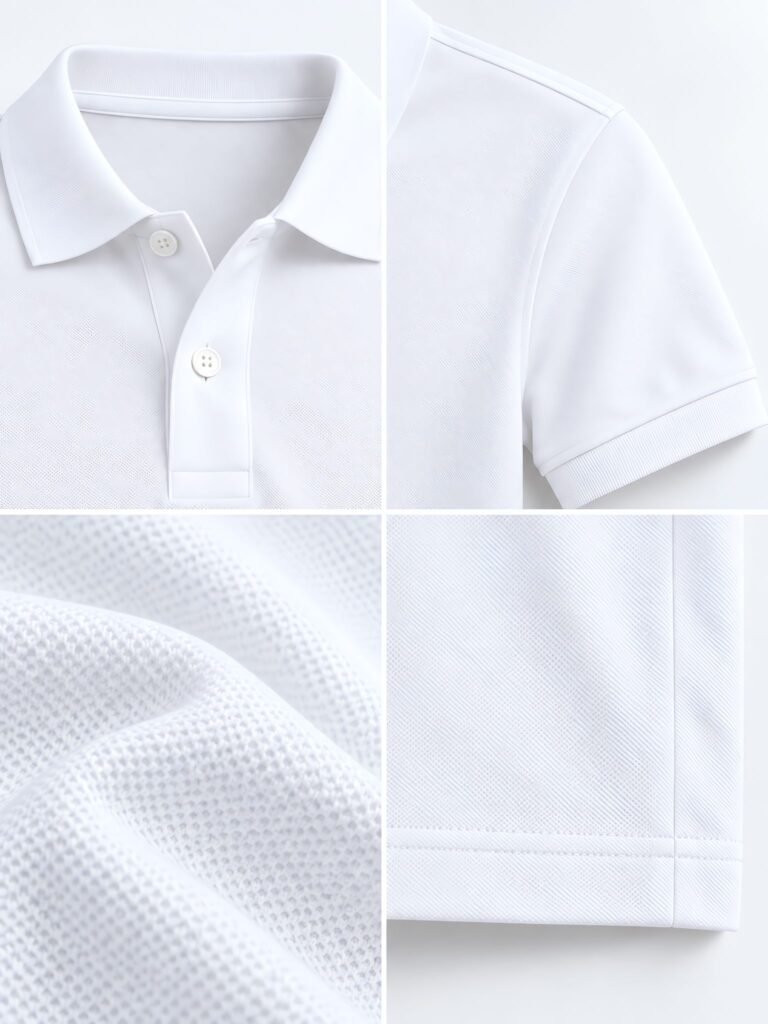
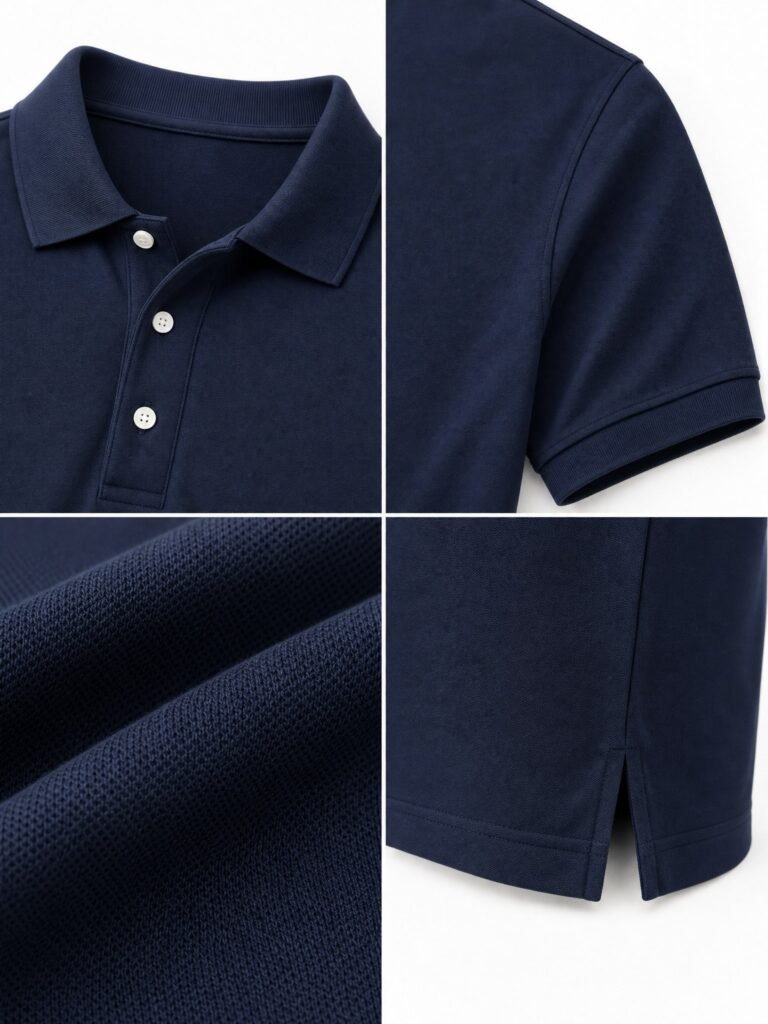
Fabric selection should not be separated from collar and placket construction. A polo can use a well-selected body fabric and still look wrong if the collar, cuff and placket do not behave consistently with it.
Collar stability
A very soft body fabric paired with a much firmer collar can create a visible mismatch, and a collar that is too soft may lose the intended shape.
Placket support
Button plackets introduce extra layers and construction into the front of the garment. The fabric needs enough stability for the placket to sit cleanly without excessive distortion.
Body drape
A fluid knit can create a relaxed fashion silhouette, while a firmer structure can create a more traditional or uniform-oriented polo.
Collar and cuff coordination
Collars and cuffs may use rib structures that differ from the main body fabric. The yarn, stretch, color and hand feel should be coordinated during development.
This is one reason a polo should be evaluated as a complete garment sample rather than by choosing a fabric swatch in isolation.
How Each Knit Structure Takes Embroidery and Print
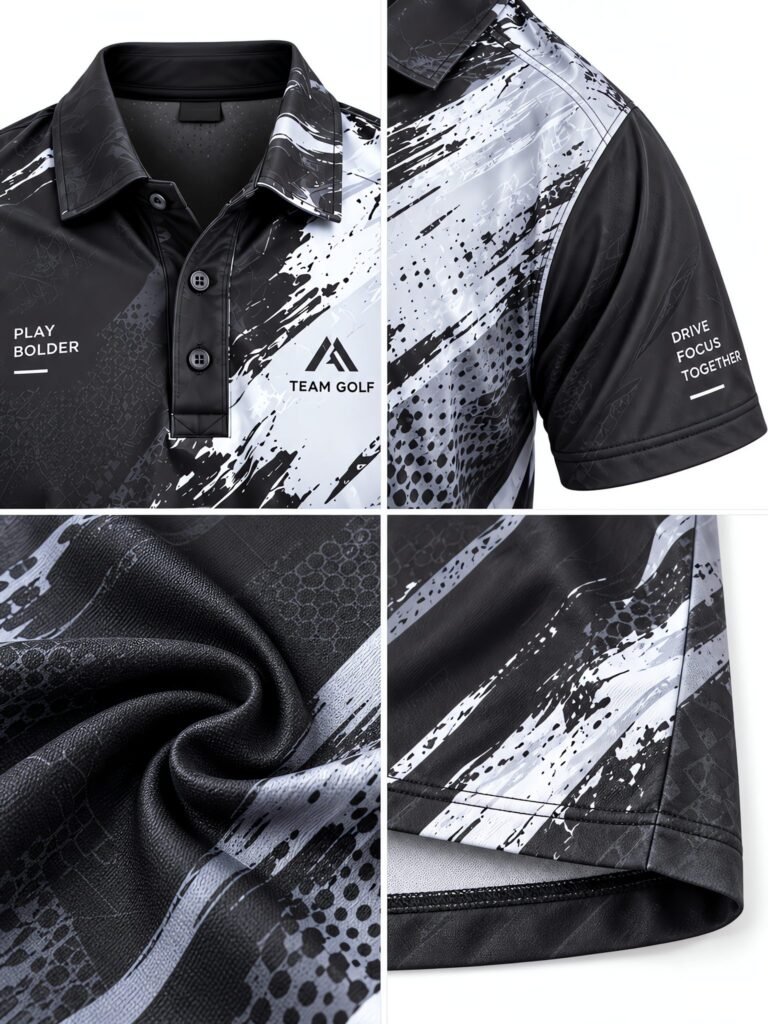
Decoration also affects fabric selection. Embroidery adds thread, density and local tension to the fabric. A stable surface generally gives the embroidery team more control, while lighter or more open structures may require additional stabilization during sampling. For detailed logo-development considerations, see our polo shirt embroidery guide and custom embroidered polo ordering guide.
Printing creates a different set of requirements. Surface texture can affect how visually smooth a printed graphic appears, and some designs work better on flatter fabrics than on highly textured knits.
NOVITA provides multiple decoration and finishing options through our craftsmanship and finishing capabilities, but the method should be selected together with the fabric rather than after the fabric has already been finalized.
Matching Knit Structure to Weight and End Use
Fabric weight should be considered after you understand the structure and the target product. The same GSM number does not guarantee the same appearance or hand feel across different knitted constructions.
A practical sourcing matrix might look like this:
| End Use | Common Structure Direction | Weight Direction | Main Priority |
|---|---|---|---|
| Classic casual polo | Piqué | Medium | Texture and shape |
| Premium clean-look polo | Interlock | Medium | Smooth surface and body |
| Performance polo | Mesh / performance knit | Light to medium | Breathability |
| Uniform polo | Piqué / stable performance knit | Medium | Durability and logo stability |
| Fashion polo | Interlock / jacquard / specialty knit | Varies | Design and drape |
| Textured collection | Waffle / rib / jacquard | Varies | Surface character |
These are development directions rather than fixed manufacturing rules. The final fabric should always be confirmed against the intended fit, finishing and decoration.
What to Send a Polo Manufacturer for a Fabric Quote
The more specific your request is, the easier it is for a manufacturer to source or develop suitable fabric options. For a custom polo program, send as much of the following as possible:
- reference image or physical sample
- target knit structure
- fiber composition preference
- target weight or GSM range
- required color
- desired hand feel
- fit and silhouette
- collar and cuff direction
- logo method
- print or embroidery size
- size range
- quantity
- branding and packaging requirements
If you do not know the exact knit structure, send a clear reference and describe the result you want. For example:
We want a smooth, medium-weight polo with less visible texture than traditional piqué, suitable for left-chest embroidery.
That is more useful than simply saying, “We need premium polo fabric.” A physical reference sample can be even more effective when hand feel and texture are important.
Fabric Selection Should Be Confirmed During Sampling
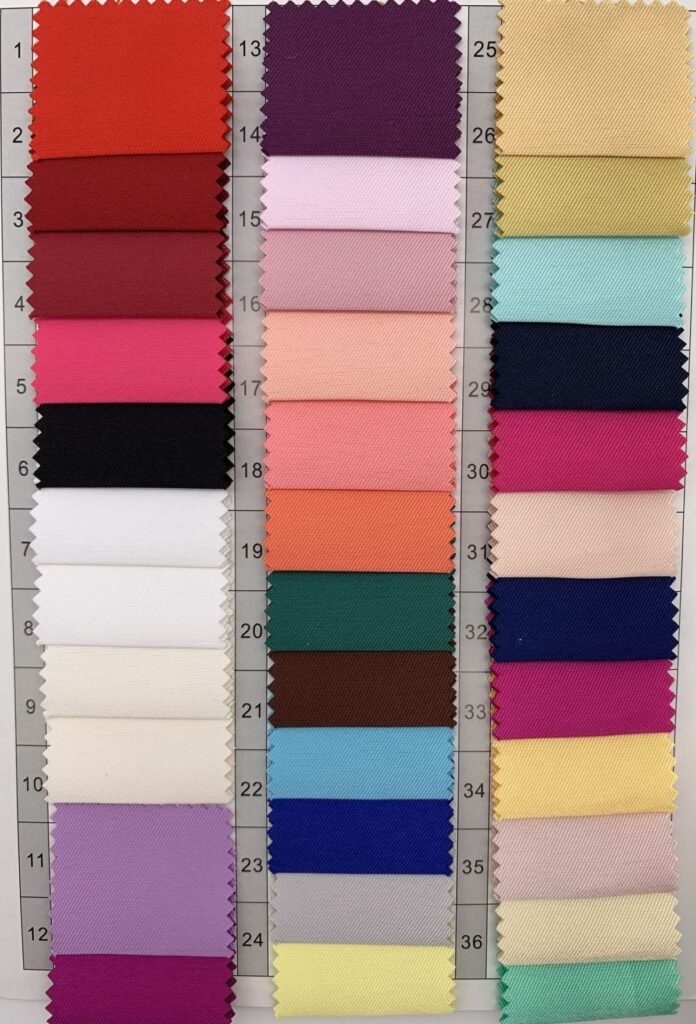
Fabric choice on paper is only the first step. During sample development, buyers should evaluate surface texture, hand feel, opacity, drape, collar shape, placket behavior, embroidery appearance, color, fit and shrinkage after the agreed finishing process.
At NOVITA, sample development is generally 7–15 days, depending on the style and customization requirements. For custom programs, our standard MOQ is generally 100 pieces per style per color, with mixed sizes allowed.
You can view our custom polo shirt manufacturing capabilities or learn more about the broader sample development process.
For a broader overview of polo production decisions, see our polo shirt manufacturing guide.
Frequently Asked Questions
What is the best fabric for polo shirts?
There is no single best polo shirt fabric. Piqué is common for classic polos, interlock provides a smoother surface, and mesh or performance knits may suit sports and warm-weather applications. The right choice depends on the target hand feel, use case, decoration and fit.
Is piqué a fabric or a fiber?
Piqué refers to a knit structure, not a fiber. A piqué fabric can be made from cotton, polyester or blended yarns.
What is the difference between piqué and interlock?
Piqué usually has a more visible textured surface, while interlock is smoother and often feels more uniform and substantial. The two structures create different drape, appearance and decoration behavior.
A piqué example is our Custom Piqué Polo Shirt; a smoother alternative is the Heathered Polo Shirt.
Is interlock good for polo shirts?
Yes. Interlock can work well for polos that require a smooth, clean surface and a more refined appearance. Whether it is appropriate depends on the target weight, fit and end use.
Is mesh fabric suitable for custom polo shirts?
Mesh and performance-oriented knits can be suitable for sports, uniform and warm-weather polos. Buyers should still check opacity, collar stability and logo performance during sampling.
Should the polo collar use the same fabric as the body?
Not necessarily. Many polos use a separate rib-knit collar and cuff. The important point is that the color, stretch, structure and overall hand feel should work with the body fabric.
Develop Your Custom Polo Shirt With NOVITA
If you are developing a private-label polo shirt, send us your tech pack, reference sample or product image. NOVITA supports custom polo development including fabric selection, fit, colors, labels, embroidery, printing and packaging.
Standard custom MOQ: 100 pcs per style per color
Sample development: generally 7–15 days
Contact NOVITA for a quote to review fabric direction, sampling and production timing for your polo program.