A T-shirt production brief should show the base-size fit, fabric and neck construction, artwork placement, labels, colors, and order breakdown. Attach an annotated flat or reference garment and state which details are fixed. Ask your supplier to quote the agreed specification and identify what still needs a sample before it becomes a production decision. See the guide to how T-shirts are made for the manufacturing steps behind the brief.
Choose a starting route and define the fit
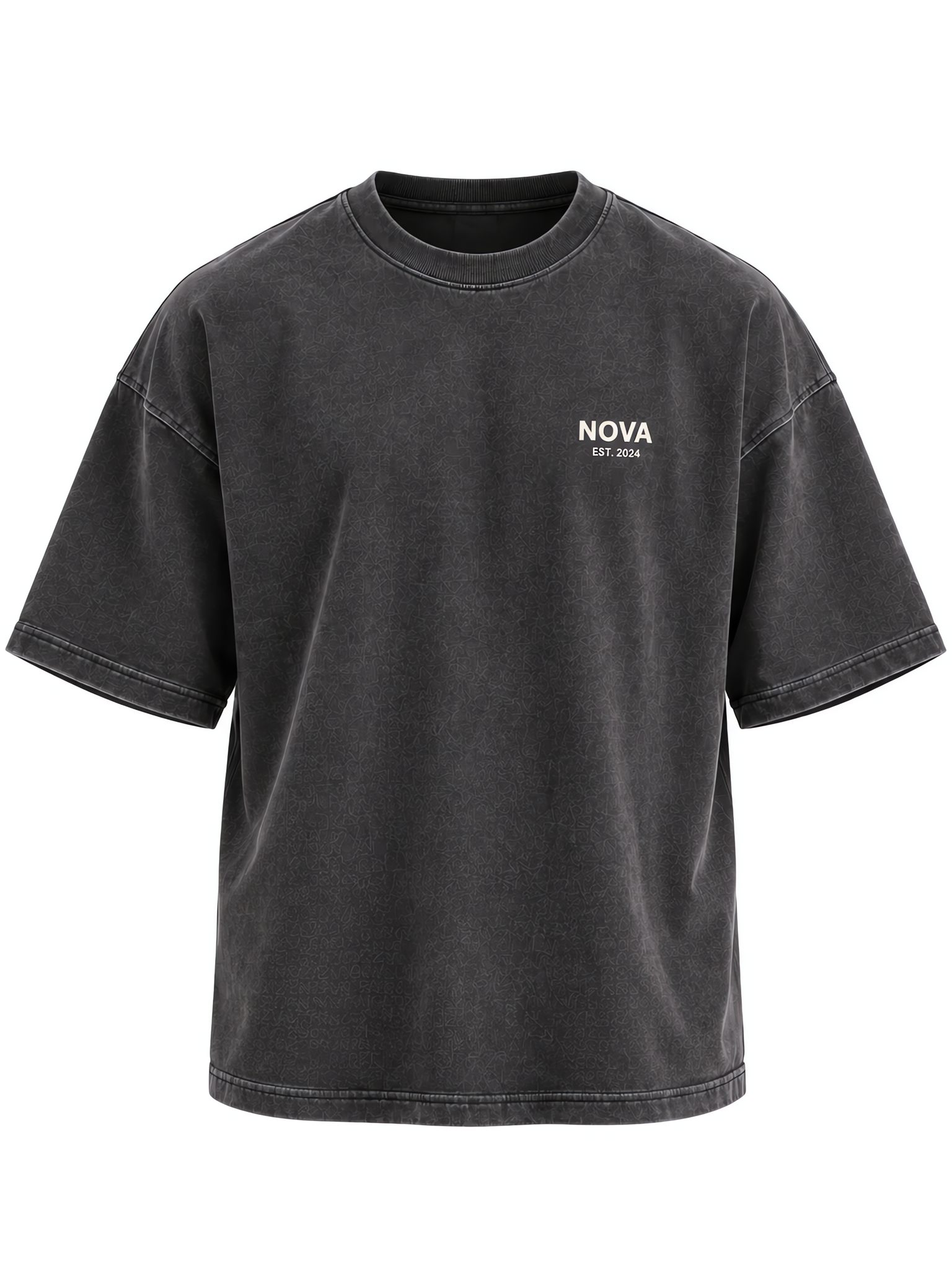
Name the target buyer and intended fit in a sentence, then show how the body and shoulder should sit. If you want an existing blank, identify its style and confirm which parts you can decorate or label. If you need a pattern change, share the reference and use exact language for the changes. NOVITA’s boxy T-shirt development reference distinguishes a dropped shoulder and back puff print. Use the style to brief the shoulder position and artwork as two separate approvals.
Send a specification that travels with the sample
Give the factory a flat drawing, a base-size chart, a fabric or swatch reference, and the proposed size and color breakdown. Mark shoulder, chest, sleeve, body length, and neck opening with the proposed measuring paths. ISO 18890:2018 describes main garment measurement points, as of November 2026. Use your defined fit chart to record the actual values.
| Share | Include in the file |
|---|---|
| Fit | Base size, front and back, reference sample and changes |
| Fabric | Swatch ID, fiber composition, mass per unit area, finish and shade |
| Construction | Neckband or binding, seam placement, trim and edge requirements |
| Decoration | Artwork version, size, color, placement, and a sewn or printed check |
| Approvals | Who signs, which sample version, what still needs a proof |
Select a starting garment from the T-shirt development references and mark the changes for your order.
Coats provides a technical quick reference for seam types if the sample team needs to discuss how parts are joined.
Show the details unique to the T-shirt
Give a close-up of the neck finish and a marked dimension for how far the shoulder should drop. A plain front drawing will miss the distinction between a crew neck rib and a binding unless the drawing identifies the edge. Mark which side of the fabric carries the artwork and whether it crosses a seam. Include a separate proof for print size and label position alongside the fit sample.
Use NOVITA’s slim crew-neck layering tee as a reference if the body and neck differ from the boxy style. The examples help compare collar, shoulder and body length choices. Keep the general garment RFQ checklist for the full brief across styles. The T-shirt materials here are the fit, opening, artwork location and constructed edge that the quote for this garment needs. New Mexico State University clothing construction guidance has useful criteria for seams and edge finish.
Describe artwork and labels in their actual positions
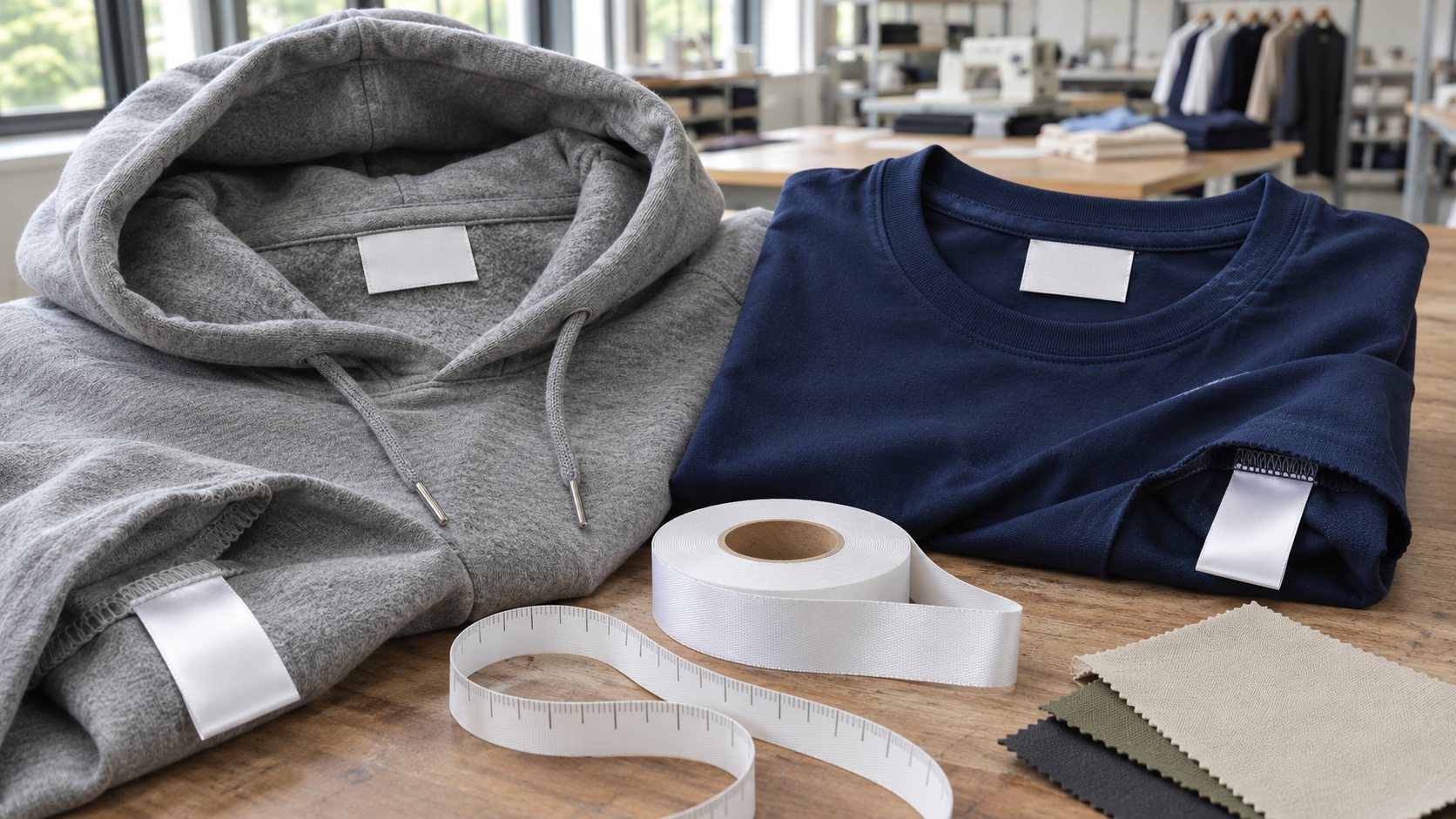
Label the wearer’s side and use a stable sewing or measurement point for placement. On the pocket T-shirt reference, the chest pocket and woven label give you specific locations to show in the flat. Ask the supplier to return a marked proof or physical sample. If the placement depends on a seam, measure it from the sewn seam rather than the edge of the loose pattern piece.
For technology or process details, use the T-shirt manufacturing process guide. The brief records the choices for this style, including which change needs a revised proof and what happens if the proposed fabric changes.
Send the brief before you compare quotes
Ask suppliers to return a list of confirmed choices and any proposed substitutions with the offer. Keep destination, packing and delivery terms in the quote request if they affect the comparison. Check that the fabric, artwork and sample path are comparable across quotes. You can use the tech pack preparation checklist to confirm the files are in one place before you send them.
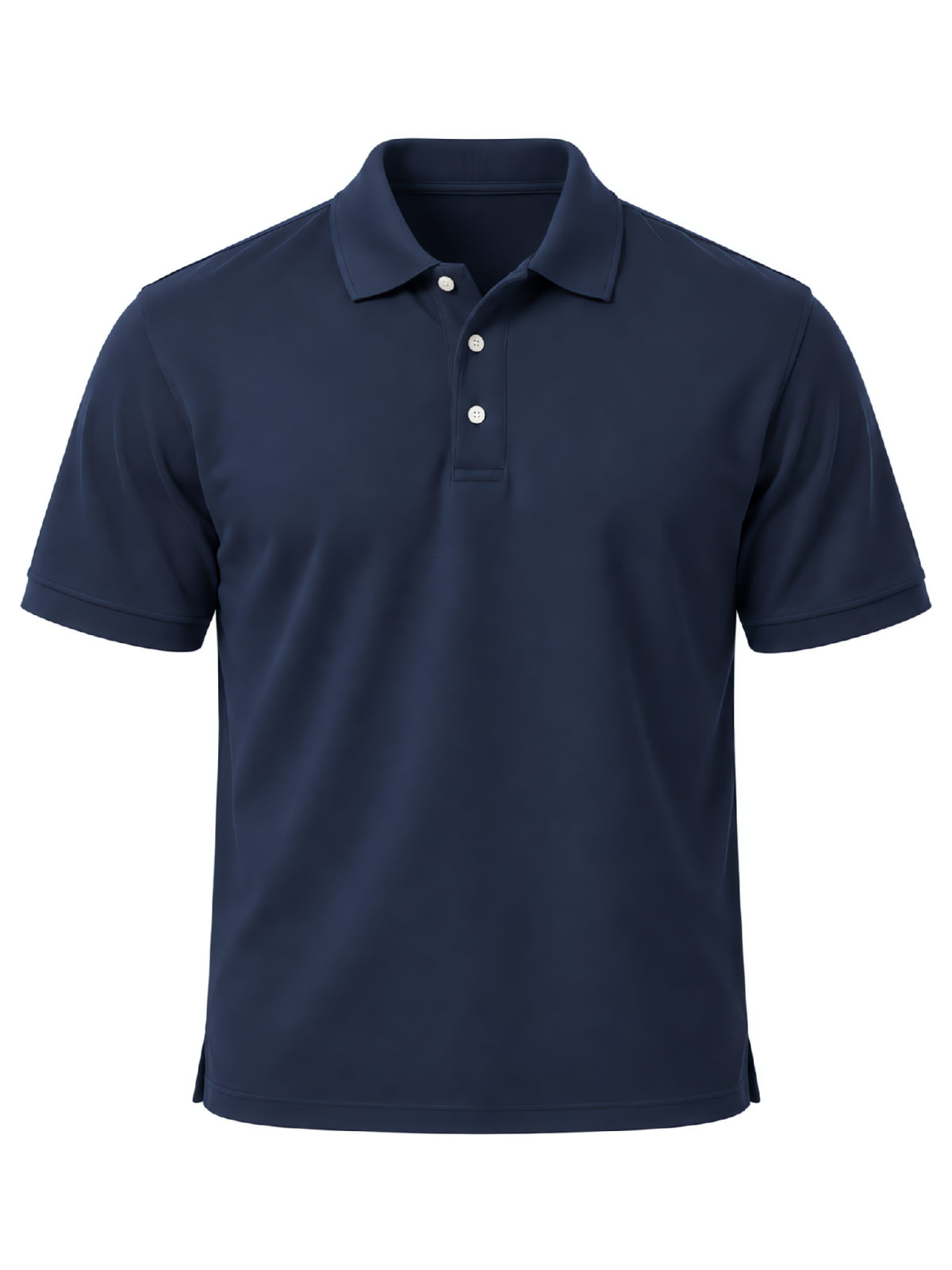
A development photo can start the conversation. Pair it with the written fit and artwork details if you want suppliers to price the same proposed garment.
Request a T-shirt quote from NOVITA with the base-size brief and artwork proof reference.
Choose the reference that answers your next question
| What you need to decide | Reference |
|---|---|
| Fit direction | Boxy fit vs. oversized T-shirts |
| Quote breakdown | Custom T-shirt manufacturing costs |
| DTG or DTF | DTG vs. DTF printing |
| Fabric usage | T-shirt fabric consumption |
| Wash appearance | Garment dye vs. vintage wash for tees |
| Manufacturing steps | How T-shirts are made |
| Fabric family | T-shirt fabric types |
| Cloth weight | T-shirt fabric weight and GSM |
| Size changes after care | T-shirt shrinkage testing |
| Decoration methods | Types of shirt printing |